目次
What is the third anniversary of a deceased person’s death? What does it mean and how do you count it?
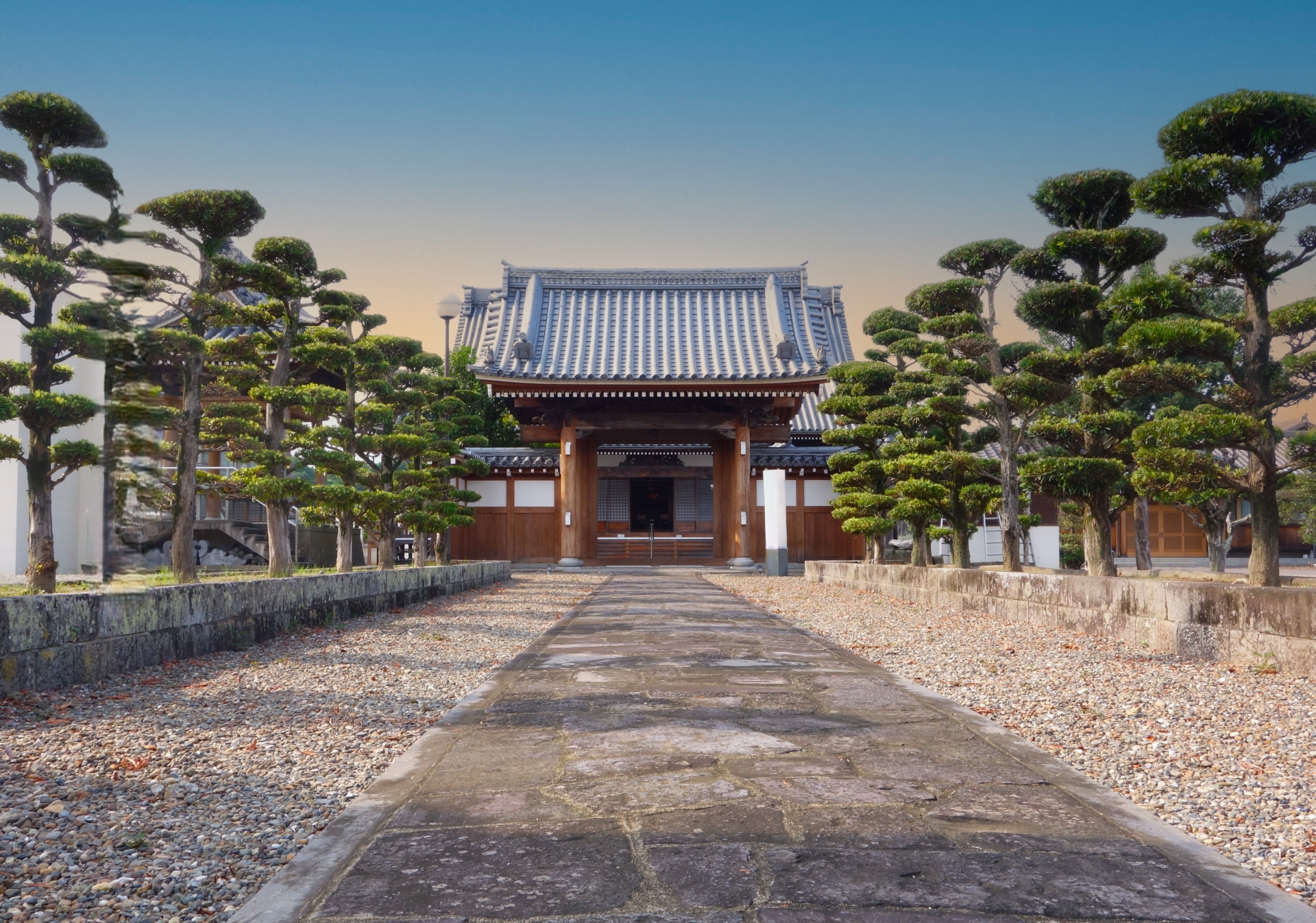
After losing a loved one, one of the memorial services that comes along as time passes is the "third anniversary." It is an important time for bereaved family and close friends to gather together, pray for the repose of the deceased's soul, and talk about their loved ones, with their thoughts and feelings for the deceased in their hearts. In this article, we will explain the meaning of the third anniversary, when it should be held, and how to count it.
The basic meaning and purpose of the third anniversary
The third anniversary is a memorial service held two years after the death of a deceased person. In Buddhism, it is believed that those of us who remain behind can support the deceased so that they can go to paradise. The third anniversary is considered one of the most important memorial services after the first anniversary, and is an opportunity to remember the deceased, recall what they were like in life, and pray sincerely for their soul to rest in peace.
It is also a turning point for the bereaved family to come to terms with the grief of losing the deceased and sort out their feelings.It is also an important opportunity to share memories of the deceased with those in attendance and deepen bonds.
When is the third anniversary of the death celebrated? How to count from the date of death
From the name "third anniversary," one might assume that it is held three years after the death of the deceased, but in fact, there is a slightly unusual way of counting. The third anniversary is held in the second year after the death of the deceased, with the day of the death being considered the "first anniversary" and two full years having passed since then, which is the "third year by the traditional Japanese count."
Specifically, the year the deceased passed away is counted as the first year, the following year is the "first anniversary," and the year after that is the "third anniversary." Please check the table below to see how to count from the date of death.
| Types of memorial services | Number of years since death | How to count |
|---|---|---|
| Anniversary of the deceased's death | Year 0 | 1st anniversary (date of death) |
| First anniversary | First full year | Second year by counting |
| Third anniversary | Full second year | Third year by counting |
Memorial services are normally held on the anniversary of the death of the deceased, but taking into consideration the convenience of those attending, it is common to hold them on the weekend before the anniversary of the death. It is considered best to avoid holding a memorial service after the anniversary of the death.
Who will be holding the third anniversary ceremony? The role of the host
The person who performs the third anniversary memorial service is generally the deceased's closest relative, such as their spouse, eldest son, or eldest daughter. The host plays an important role in coordinating the entire event, from preparing for the memorial service to running it on the day and thanking attendees.
The role of the host is wide-ranging, but the most important duty is to create a space where attendees can spend their time in peace and cherish the feelings of remembering the deceased. Please cooperate with your relatives and make preparations within your limits.
The best tea gift for funerals is “Goen Tea from Kyoto Gyokuro”
What is Kyoto Gyokuro’s Goen Tea?
Kyoto Gyokuro's Goen Tea is a tea shop that delivers tea from Kyoto with the concept of "making tea more enjoyable." We aim to make high-quality tea more accessible to everyone, with content tailored to their needs.
We value the idea that "tea connects people," and we offer a wide range of products that are perfect for everyday tea time, as well as gifts for special people and corporate novelties. We especially recommend our products that can be personalized with original designs or names !
Why not express your feelings of "Thank you"
and "I look forward to working with you in the future" through tea?
Here are some recommended gifts that convey a message!
A special tea packed with feelings. Create a one-of-a-kind tea with an original greeting tea design. Custom order
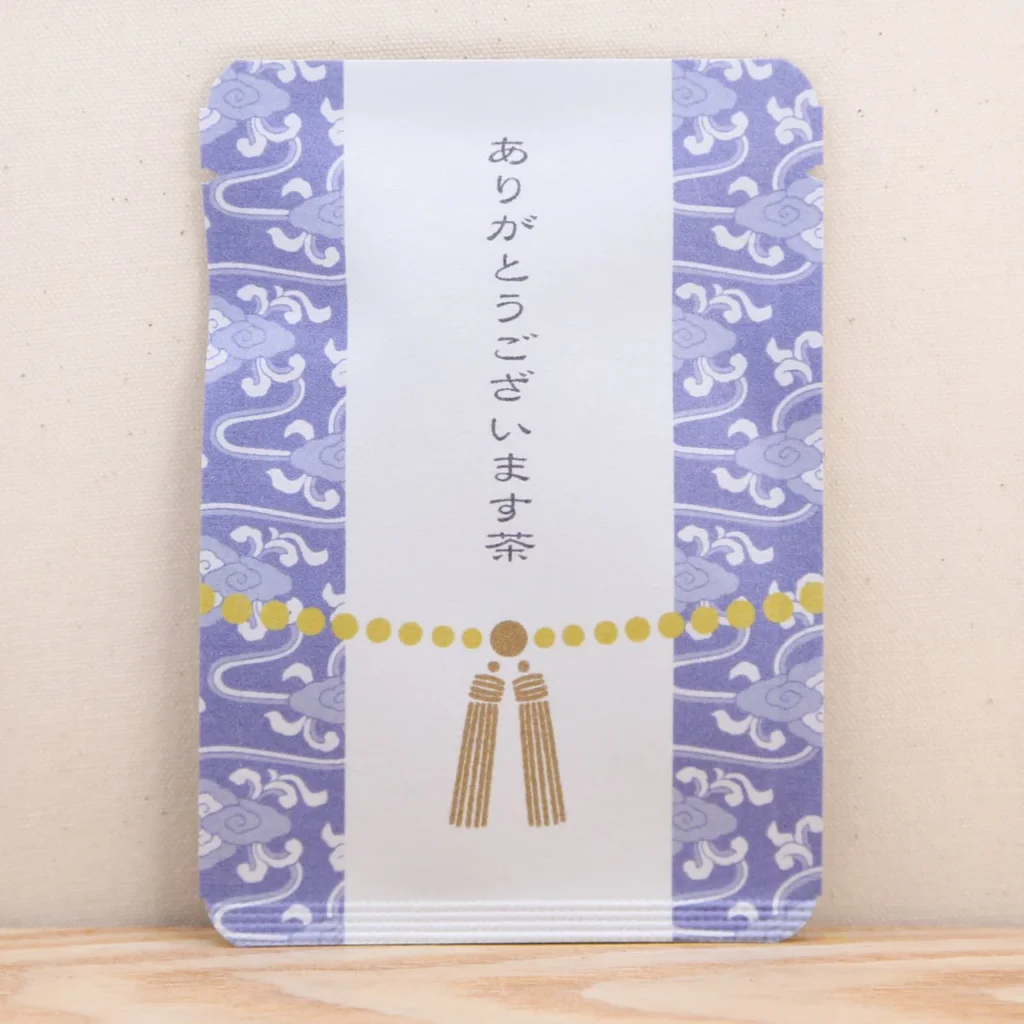
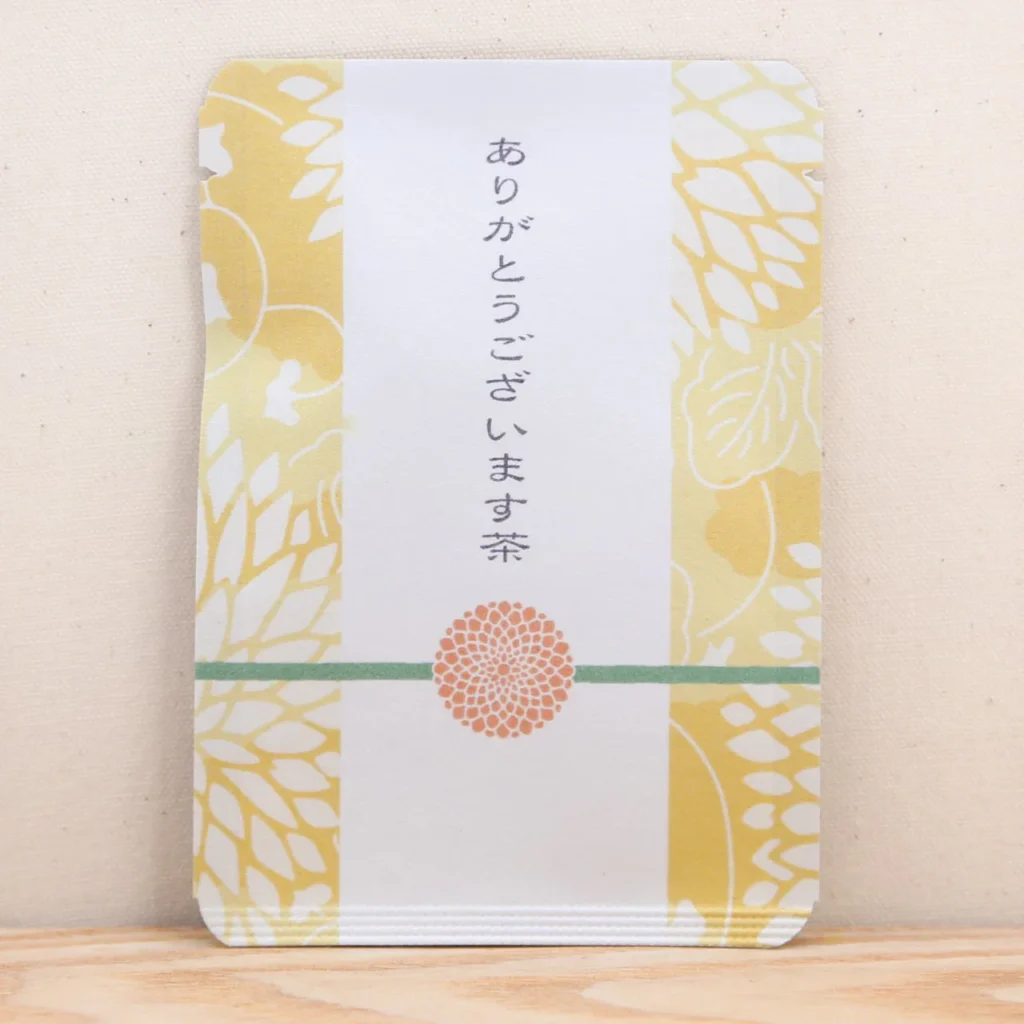
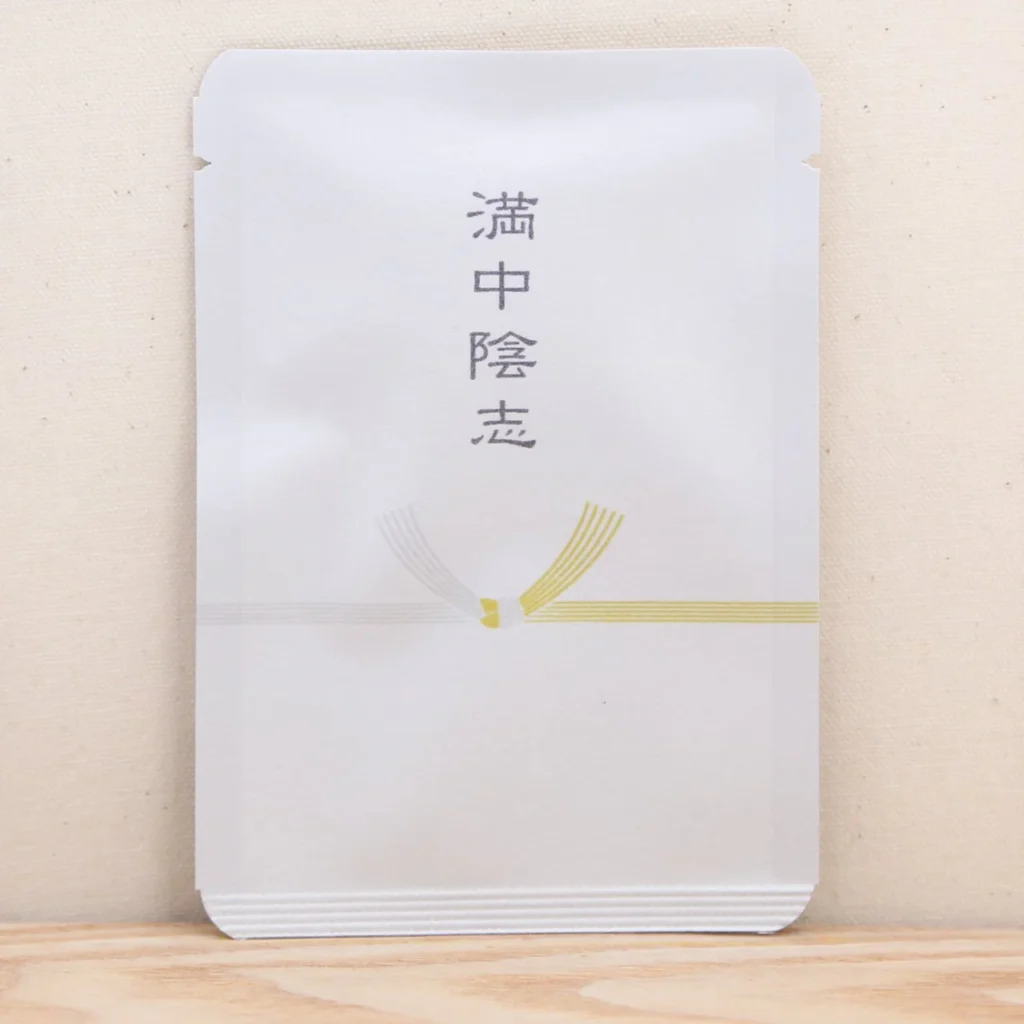
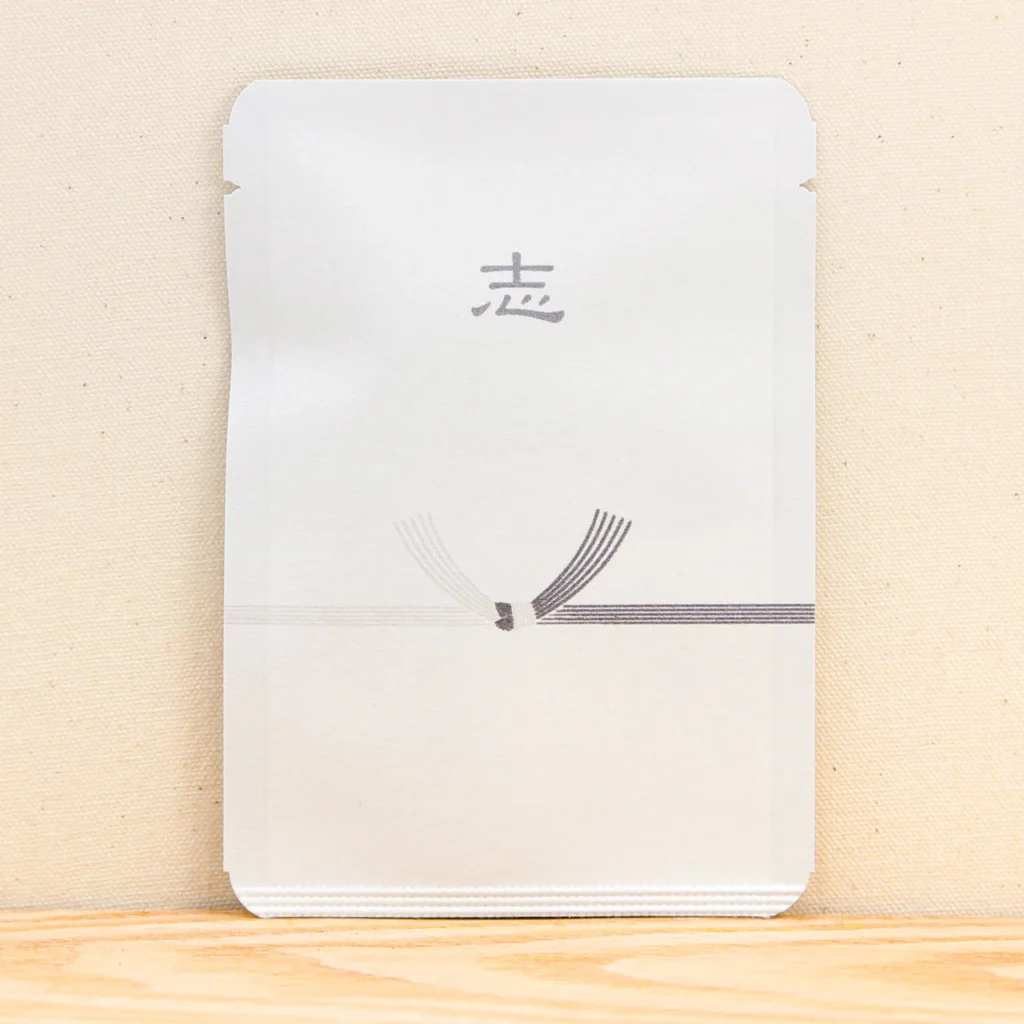
For someone who loves tea...you can include it as a gift in return for a condolence donation, or since it's the size of a business card, you can put it in an envelope and send it.

Important points to remember when preparing for a memorial service for the third anniversary of the death of a deceased person
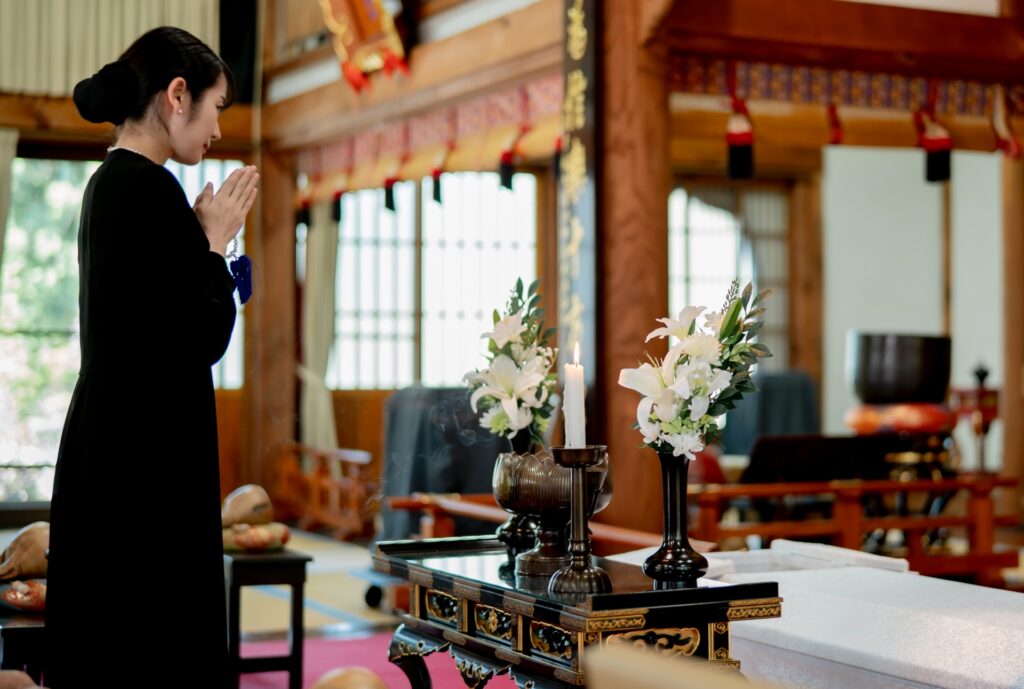
The third anniversary memorial service is a time to remember the deceased and gather with loved ones. Here we will introduce how to proceed with preparations to ensure the event goes smoothly. Please proceed with each preparation carefully to ensure a heartwarming memorial service.
When should I start preparing? Schedule
It is generally recommended to start preparations for the third anniversary memorial service three months before the service. The amount of time required will vary depending on the number of attendees and the size of the venue, but it is important to plan well in advance.
| Estimated time | Preparation |
|---|---|
| 3 months before the memorial service | ・Decide the date and location of the memorial service ・Contact the priest and arrange the date ・Consider the number of attendees |
| Two months before the memorial service | ・Consider whether to have a dinner party and arrange the venue ・Consider gifts and offerings ・Start preparing invitations to attendees |
| One month before the memorial service | ・Sending invitations to attendees ・Arranging gifts and offerings ・Deciding the dinner course |
| Two weeks before the memorial service | ・Confirm the number of attendees and contact the dining venue . ・Prepare the offerings, carriage fee, and meal fee. |
| The day before and the day of the memorial service | ・Make a final check of the offerings ・Make a final check of the venue |
Contacting the monk and preparing the offering
Once the date for the third anniversary memorial service has been decided, contact the priest at the family temple as soon as possible to request the memorial service and arrange the date. The priest's schedule will also be taken into consideration, so it will be easier if you provide him with several possible dates.
After the memorial service, you will give an offering to the monk. The offering is a token of gratitude for the sutra reading. The amount will vary depending on the region, sect, and relationship with the temple, but a general guideline is around 30,000 to 50,000 yen. In addition to the offering, you will also need to prepare a carriage fee for the monk's travels, and a meal fee if you decline to attend the meal, as necessary.
The offering should be wrapped in hosho paper or placed in a plain white envelope with "offering" written on the front. Similarly, the carriage fee and meal fee should be prepared in separate envelopes with "carriage fee" and "meal fee" written on the front.
Dining arrangements and menu
After the memorial service, it is common to hold a meal called "Otoki" where attendees can share a meal while remembering the deceased.While the host decides whether or not to hold a meal, it is also an opportunity to express gratitude to the attendees.
The venue for the meal can vary, including your home, a temple dining room, a memorial hall, a traditional Japanese restaurant, or a hotel. Choose a venue based on the number of attendees and the convenience of travel. It's a good idea to make reservations one to two months before the memorial service.
The menu avoids the extravagant dishes you might expect to find at a celebratory occasion, and instead focuses on vegetarian cuisine and Japanese cuisine that incorporates the favorite foods of the deceased. Consult with the dining venue in advance to decide on a menu appropriate for remembering the deceased. If there are people with allergies, it is important to check in advance and take them into consideration.
Preparing gifts and presents
At the third anniversary memorial service, offerings are prepared to express gratitude to the deceased, and gifts are prepared to express gratitude to the attendees.
offerings
Offerings are chosen to be things that the deceased liked, long-lasting sweets, fruits, and alcohol. Incense, candles, and flowers are also common. If you are preparing multiple items, it is a good idea to consult in advance to avoid duplication. Offerings are wrapped in a noshi paper with the word "offering" written on it.
gift
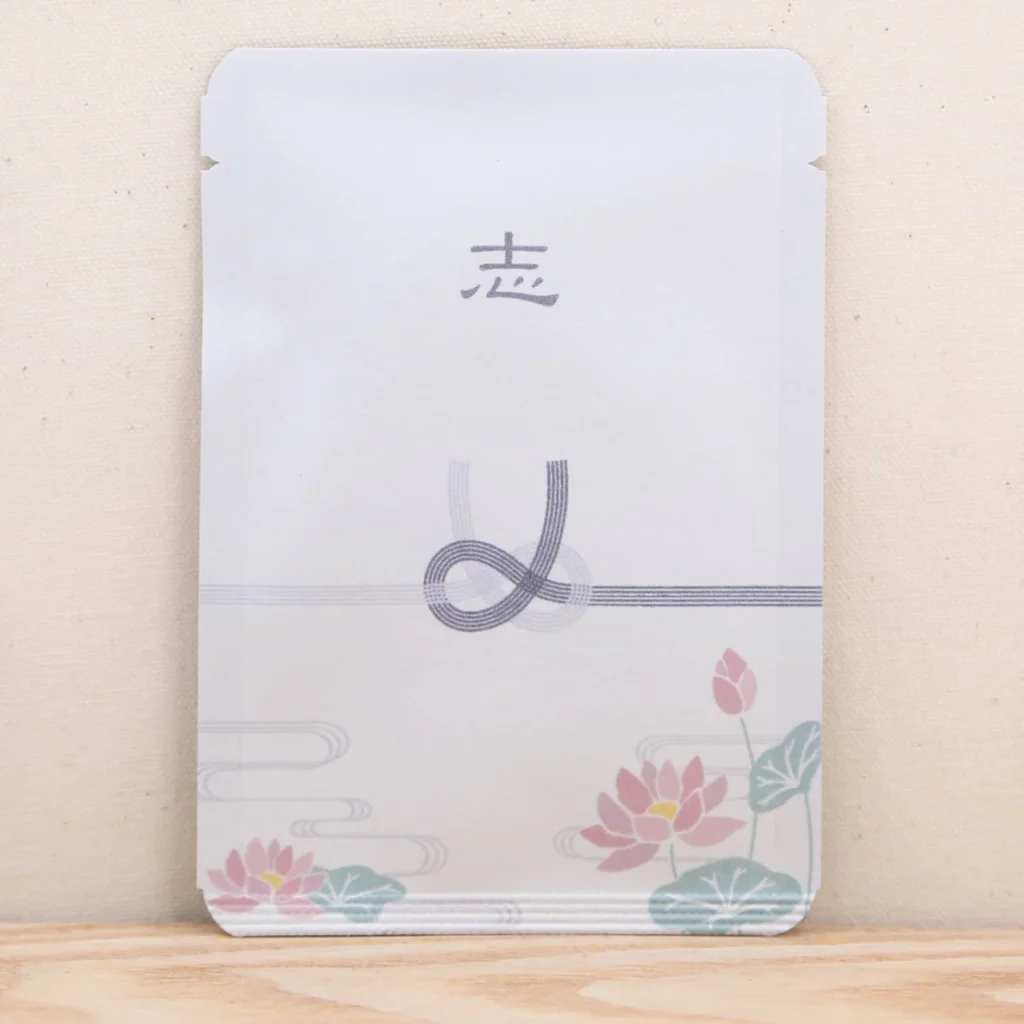
Gifts are given as a token of appreciation to those who attended a memorial service. As gifts to commemorate the deceased, perishable items (food and consumables) are often chosen, with tea, coffee, sweets, seaweed, and towels being popular. The recommended value is about one-third to one-half of the condolence money received.
The gifts should be wrapped in black and white or yellow and white knotted noshi paper, with the inscription "Shi" or "Sokuyo" (memorial service). The donor's surname or name should be written underneath the mizuhiki.
Sending invitations to attendees and selecting a venue
Once preparations for the third anniversary memorial service are underway, invitations are sent to those who wish to attend. It is common to send invitations to relatives and particularly close friends, taking into consideration their relationship with the deceased.
Sending invitations
Invitations should be sent approximately one month before the memorial service. They should clearly state the date, time, and location of the memorial service, whether or not there will be a dinner, the host's contact information, and a deadline for responses. Enclosing a reply postcard will make it easier to confirm attendees. Be sure to follow funeral etiquette by avoiding punctuation and repeated words.
Venue selection
There are many options for memorial service venues, including your home, family temple, memorial service hall, and hotel. Choose the most suitable location by considering factors such as the number of attendees, transportation accessibility, and budget. If attendees will be coming from far away, it is especially appreciated if you choose a location with good transportation access or accommodation facilities. When deciding on a venue, it is a good idea to check whether parking is available and whether it is barrier-free.
Dress code for clients
Dress code for the third anniversary memorial service is an important etiquette that shows respect and condolences for the deceased.
Client's clothing
The host, in his role as the one welcoming the guests, generally wears "semi-mourning attire." Men should wear a black suit with a plain white shirt, black tie, black socks, and black leather shoes. Women should wear a black ensemble or dress, or a suit with black stockings and black pumps. Accessories should be kept modest apart from the wedding ring; a single strand of pearls would be appropriate.
The flow and etiquette of the third anniversary memorial service for the deceased
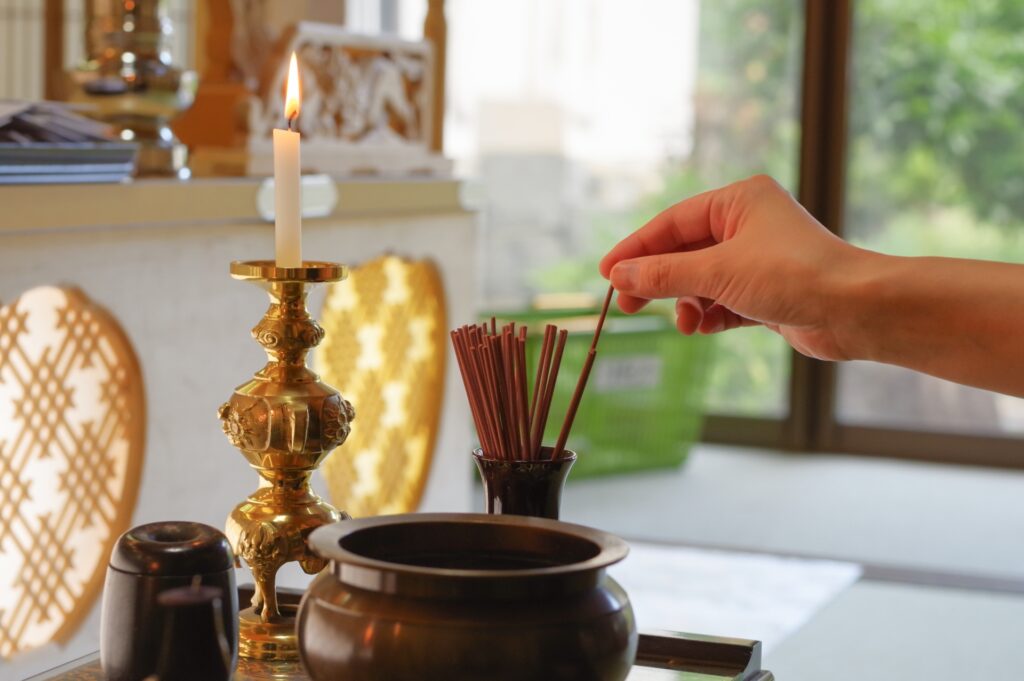
The day of the third anniversary memorial service is an important day to remember the deceased. Here, we will explain the entire process from the start of the memorial service to the meal and the visit to the grave, as well as the proper etiquette to ensure that the host and attendees can spend the day in peace and tranquility.
From the start of the memorial service to chanting sutras and offering incense
The third anniversary memorial service generally begins with the entrance of a priest. The host will give an opening speech, expressing gratitude to the attendees. Afterwards, the priest will solemnly recite sutras, praying for the repose of the deceased's soul.
Incense is burned during or after the sutra reading. Burning incense is an important ritual that shows respect for the deceased and feelings of remembrance. Generally, the host starts the offering, and the offering proceeds in order of the person's close relationship to the deceased. Attendees then quietly burn incense following the person in front of them.
After the incense offering, the priest may give a sermon that touches on the deceased's achievements in life and the teachings of Buddhism. After the sermon, the host gives a closing speech, and the memorial service ends when the priest leaves the venue.
| Time period (approximate) | Main flow | remarks |
|---|---|---|
| Before starting | Attendees take their seats, and the client makes final confirmation | Seating order is often determined by the relationship to the deceased. |
| start | Opening speech by the client | Express gratitude for attendance and explain the purpose of the memorial service. |
| Immediately after the start | Monks enter, chanting sutras | The deceased are remembered in a solemn atmosphere. |
| During or after chanting | incense burning | The order is as follows: the client, the bereaved family, relatives, and attendees. |
| After offering incense | Sermon by a monk | There will be talks about the deceased and Buddhist teachings. |
| At the end | Closing remarks by the client | We will thank the monks and provide information about the dinner and grave visit. |
| After the end | Monk exits | We will see you off. |
Grave visit and dinner proceedings
After the memorial service has concluded, you may head to the grave with the other attendees. If the grave is located far away or depending on the weather, the grave visit may be omitted or may be held before the memorial service. When visiting the grave, flowers and incense are offered and the deceased is remembered. It is recommended that the owner clean the grave before the memorial service.
After visiting the grave, it is common to hold a meal (Osai) as a token of gratitude to those in attendance. Once everyone has moved to the meal venue and taken their seats, the host will once again express their gratitude to those in attendance and offer a toast. During the meal, everyone should reminisce about the deceased and spend a pleasant time together.
At the end of the dinner, the host will give a closing speech and hand out gifts to the guests. Make sure to pay close attention to the details until the very end so that the guests can go home in a good mood.
Manners you should know as a guest
When attending a third anniversary memorial service, it is important to be considerate of the deceased and their family. Here we will explain the manners that attendees should keep in mind.
- Arrive at the venue well
in advance so as not to be late for the start of the memorial service. If you are going to be late, be sure to contact the client in advance.
Generally, you should wear semi-mourning or informal mourning attire. Choose a suit or dress in a subdued color and avoid flashy accessories .- The etiquette for burning incense
varies slightly depending on the sect, but generally, you lightly pinch the incense, bring it up to forehead height, and place it in the incense burner. Then, join your hands together and pray for the repose of the deceased's soul. If you are unsure, you can watch the others as you do so. - Behavior at a Dinner
When sharing memories of the deceased, keep it cheerful, but remember to remember the deceased. Avoid drinking too much alcohol or talking loudly, and be mindful of your behavior. It's best not to stay too long, and to leave at an appropriate time. - If the host has told you that no offerings are necessary, you do not have to force yourself to bring them. If you do bring offerings, suitable items would be long-lasting sweets, fruit, or something the deceased liked. On the gift
wrapping paper, write "Offerings" and include the deceased's name.
Frequently asked questions about the third anniversary of a deceased person’s death
Average amount of condolence money
When attending a third anniversary memorial service, one thing you may be concerned about is the amount of condolence money. Here we will explain the average amount of condolence money.
Average amount of condolence money
The amount of condolence money varies depending on your relationship with the deceased and their family. We have compiled a general guideline for you to consider.
| Relationship to the deceased | Guideline for condolence money |
|---|---|
| parents | 10,000 yen to 50,000 yen |
| siblings | 10,000 to 30,000 yen |
| grandparents | 5,000 yen to 30,000 yen |
| Relatives (uncles, aunts, etc.) | 5,000 yen to 20,000 yen |
| Friends, acquaintances, and coworkers | 3,000 yen to 10,000 yen |
It is important to consider your age and financial situation and give within your means. It is also common to avoid giving even-numbered amounts or amounts that are associated with the numbers "4 (death)" and "9 (suffering)."
What to do if you are unable to participate due to distance
Even if you are unable to attend the third anniversary memorial service due to unavoidable circumstances, you can still express your condolences to the deceased and show consideration for the bereaved family. Here we will explain what to do if you cannot attend due to distance.
Contacting the bereaved family
First of all, once you realize you will not be able to attend the memorial service, it is important to contact the bereaved family as soon as possible. By phone, letter, or email, you can convey your sympathy for the bereaved family and your inability to attend. There is no need to explain in detail the reason for your absence. Simply include a brief apology for not being able to attend.
Sending condolence money and offerings
Even if you cannot attend the funeral, you can still show your condolences by sending a condolence gift or offering. Condolence gifts are generally sent by registered mail. Enclosing a letter of sympathy for the bereaved family will convey your feelings more clearly. Offerings include incense, candles, sweets, and fruit. When sending, it is a good idea to check in advance whether the bereaved family can receive them so as not to burden them.
summary
The third anniversary is an important memorial service to remember the deceased and convey gratitude. It is also a precious opportunity for bereaved family and close friends to gather and reminisce about the deceased. We have explained everything from the meaning of the third anniversary to preparations, the flow of the day, and frequently asked questions. There is a wide range of preparations to be made, but by following each step step by step, you can remember the deceased with peace of mind. Please use this as a reference to mark the third anniversary with warm feelings and ensure the memorial service goes smoothly.