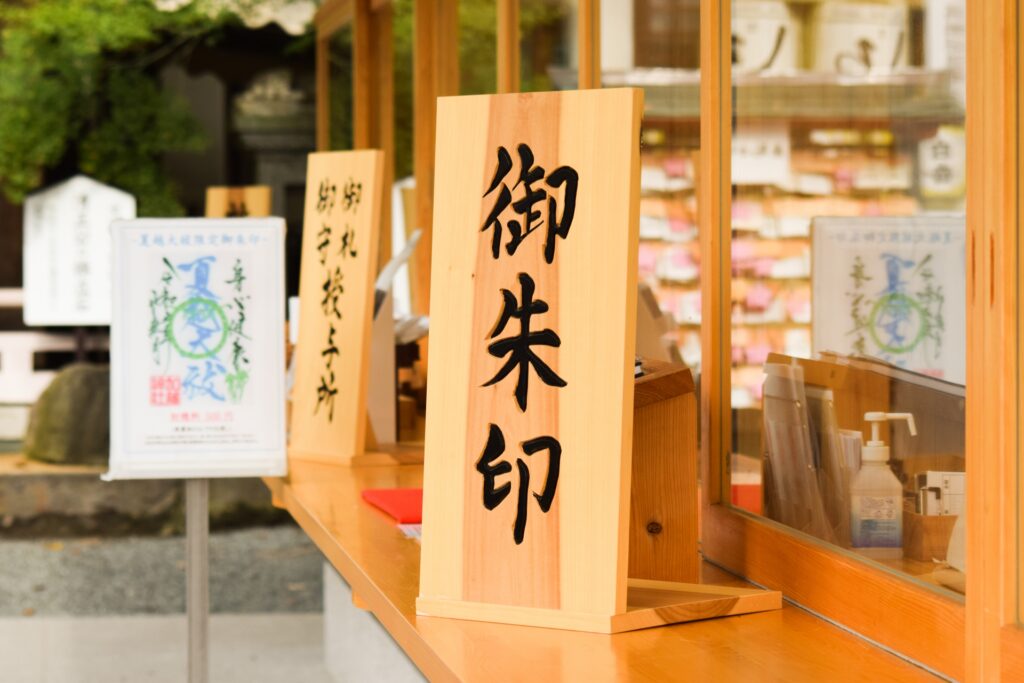
Hello! This is Goencha. Collecting goshuin stamps has become very popular recently! So, I'll explain in an easy-to-understand way everything from the basic meaning of goshuin stamps to their history, types, and the procedure and etiquette for receiving them. I'll also introduce the charm and fun of collecting goshuin stamps, so whether you're just starting out or already collecting, I'm sure you'll discover something new. Why not join me in experiencing the wonderful world that unfolds through goshuin stamps?
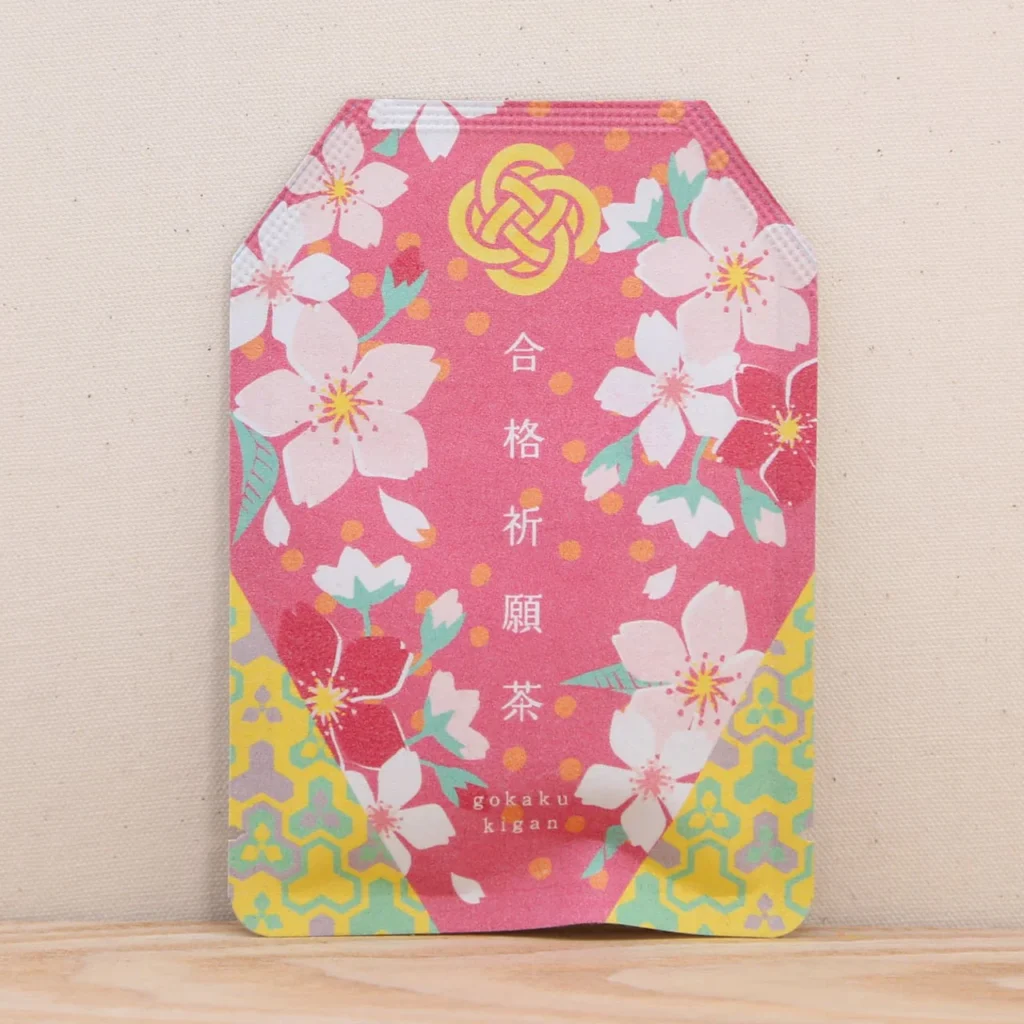
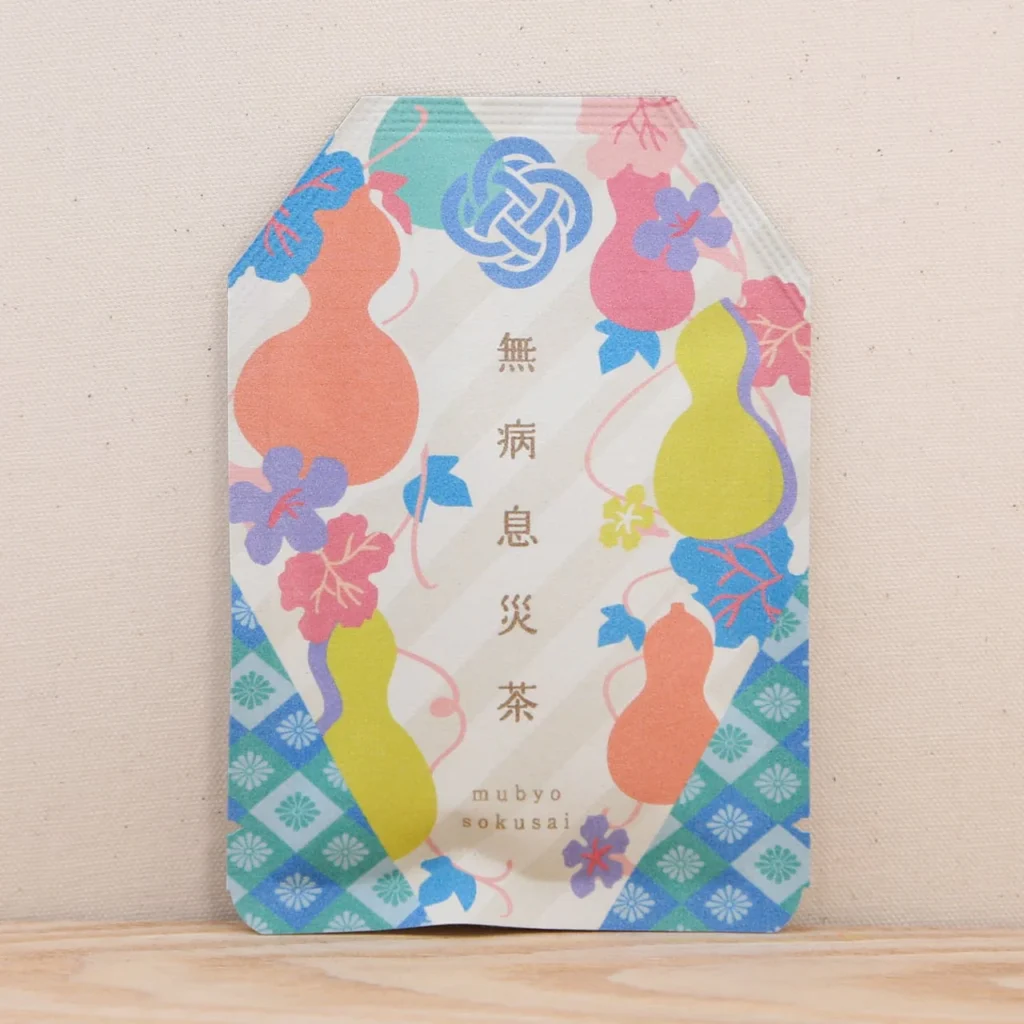
"Shokugan Tea" is the perfect companion for your goshuin stamp collecting journey! It's also recommended as a gift for people who love collecting goshuin stamps!

目次
What is a goshuin? We’ll explain its meaning in simple terms!
The basic definition and role of goshuin
A goshuin is a stamp given to you as proof that you have visited a temple or shrine. The date of your visit, the name of the temple or shrine, the name of the principal image or deity enshrined there, and other information are written in ink, and then a vermilion seal is stamped on top.
Goshuin stamps are a little different from a simple stamp rally. They form a connection with the gods and Buddhas, and are treasured as a memento of your visit. For many people, goshuin stamps are like "talismans," serving as a memento of their trip and a source of comfort.
Here we have summarized some aspects of goshuin.
| Side of the goshuin | Its meaning and role |
|---|---|
| Proof of worship | It is awarded as a memento of visiting a temple or shrine and praying. |
| Connection with Gods and Buddhas | It is an important proof that you can feel connected to God and Buddha. |
| Amulets | It is believed that keeping it carefully will bring you good fortune. |
| record | It will become your own special record book, recording when and where you visited the shrines. |
The characters and seals written on this small piece of paper and in the goshuincho (stamp book) are imbued with deep meaning and the thoughts of the worshipper.
Why were goshuin stamps created? Their history and origins
The history of goshuin is long, and it is said that its origins lie in "noukyou" (offering of sutras). In the past, people would submit a copy of a sutra to a temple and receive a stamp from the temple as proof. This was called a "noukyou stamp," and is thought to be the origin of the goshuin we know today.
As time passed, people began to receive stamps not only for offering sutras but also for simply visiting a temple, and during the Edo period, visiting shrines and temples became popular even among common people, and the culture of collecting goshuin stamps spread.
Nowadays, many people, regardless of their sect or faith, casually receive goshuin stamps. It has become a wonderful custom that allows you to experience the history and culture of temples and shrines as one of the joys of visiting them.
A perfect gift for your goshuin stamp collecting trip! Kyoto Gyokuro’s Goen Tea
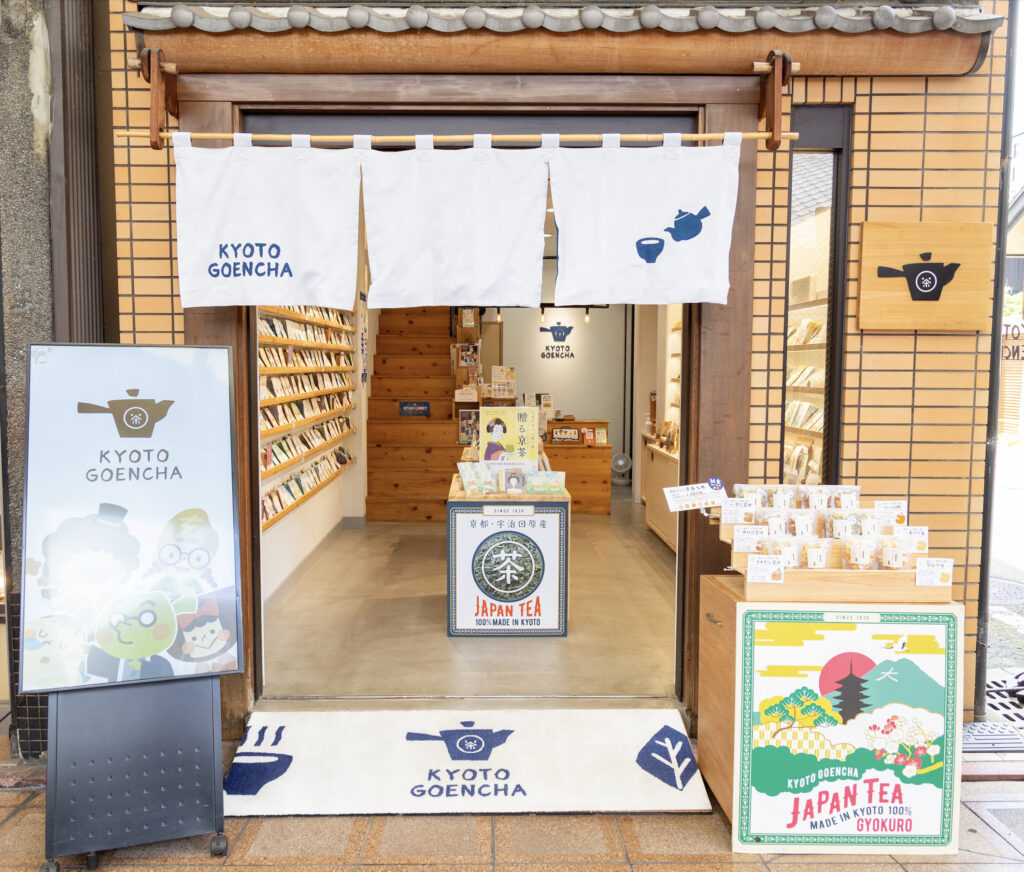
What is Kyoto Gyokuro’s Goen Tea?
Kyoto Gyokuro's Goen Tea is a tea shop that delivers tea from Kyoto with the concept of "making tea more enjoyable." We aim to make high-quality tea more accessible to everyone, with content tailored to their needs.
We value the idea of "tea connecting people," and we offer a wide range of products that are perfect for everyday tea time, as well as gifts for special people and various novelties. We especially recommend our products that can be personalized with original designs or names !
Why not express your feelings of "May your wish come true" or "
May you find a good match" through tea?
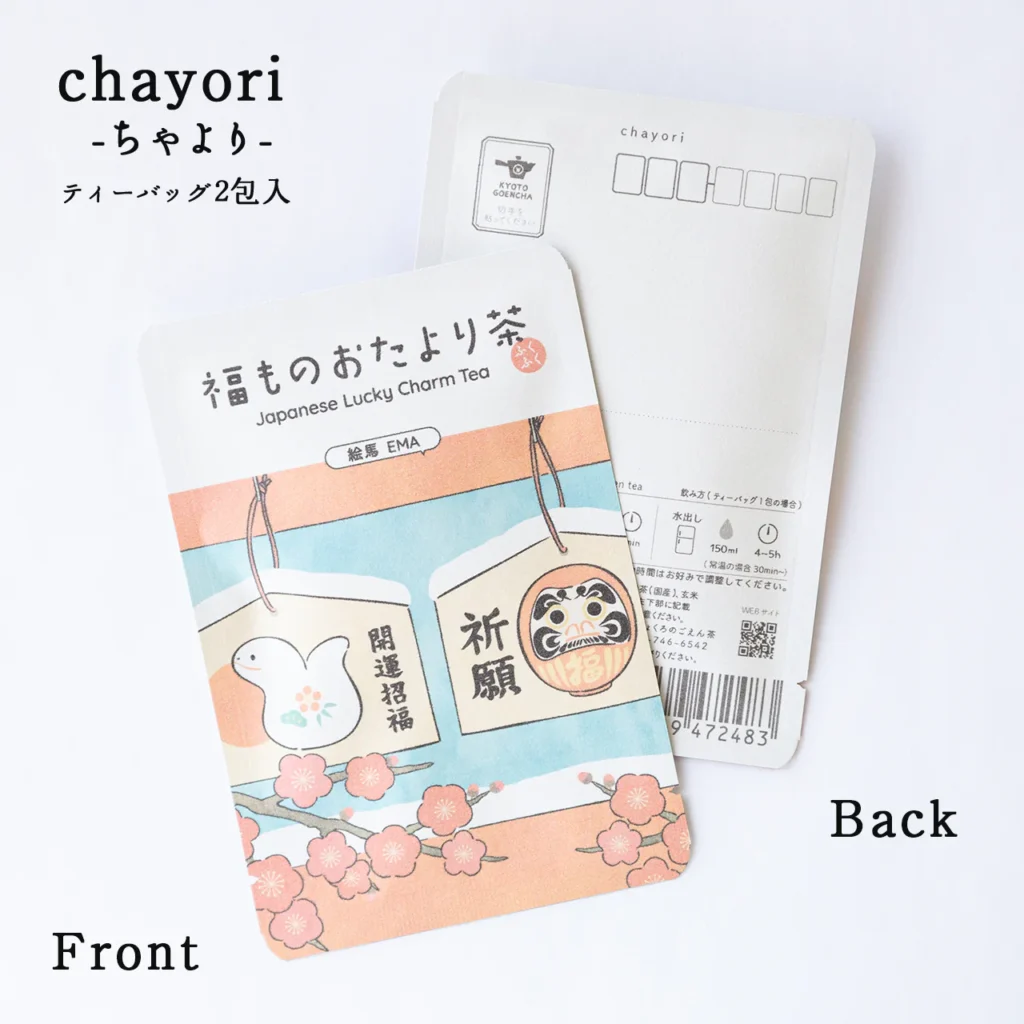
Here are some recommended gifts that convey a message!
A special tea packed with feelings. Create a one-of-a-kind tea with an original greeting tea design. Custom order


Learn about the types and components of goshuin!
There are many different types and shapes of goshuin. We will explain the main types of goshuin, the ink inscriptions and seals that make up goshuin, and special goshuin.
Main types of goshuin: handwritten and pre-written
When receiving a goshuin, there are two main types: "written directly" and "written in advance."
"Direct writing" is a style of writing where you leave your goshuincho at the shrine or temple office and have it written and stamped directly on the spot. It is often written right in front of you, so being able to witness this moment is a special experience. The appeal is that you can directly feel the brush strokes and the scent of the ink.
On the other hand, "kakiotoshi" is a style of receiving a goshuin written on paper in advance. You can either paste it into your goshuin book yourself or take it home and keep it. Kakiotoshi is used when the shrine office is busy, when the writer is absent, or when the goshuin is made of special paper or has a special design.
| kinds | Features | merit | Disadvantages |
|---|---|---|---|
| Direct writing | Have it written directly in your goshuincho | The warmth of handwriting and the excitement of having it written right in front of you | It takes time when it is busy, and it is not possible when there is no writer present. |
| note | Receive a pre-written piece of paper | Short waiting times, easy to take home, many unique designs | It's a hassle to paste it yourself, and you can't see the handwriting |
Ink writing and seal: Elements that make up a goshuin
A goshuin is mainly composed of two elements: "inking" and "seal."
"Sumigaki" is the part written with a brush. It contains the date of the visit, the name of the temple or shrine, the name of the principal image or enshrined deity, and other information. The characters written vary from temple to shrine, and are full of individuality, with some being powerful strokes and others being beautiful, flowing letters. Each character has a deep meaning.
A "seal" is a vermilion seal. There are various types, such as seals showing the name of the temple or shrine, treasure seals representing the principal image or enshrined deity, and Sanskrit seals. The design of the seal also has its own characteristics, and when combined with the ink writing, a single goshuin is completed. The contrast between the black of the ink and the vermilion of the seal enhances the beauty of the goshuin.
About limited edition and special goshuin
Recently, there are many special goshuin stamps available for a limited time only or to coincide with certain events. These stamps feature designs and colors that differ from regular goshuin stamps.
For example, there are "seasonal goshuin" stamps that coincide with the cherry blossom and autumn foliage seasons, and "event-only goshuin" stamps that are given out in conjunction with festivals and fairs. Also gaining popularity are "double-page goshuin" stamps that are drawn across two facing pages, colorful goshuin stamps, and "papercut goshuin" stamps with delicate papercutting. These are special stamps that can only be obtained at a certain time or place, and are enjoyed by many people. One way to enjoy goshuin is to include memories of your travels or the changing of the seasons in them.
Some shrines and temples give out commemorative goshuin stamps that are only available for the new year. Receiving a goshuin at your first shrine visit of the year will be a wonderful memory that will brighten up the start of the year ♪
How to get a goshuin and how to choose a goshuin book
Here, we will explain the process for receiving a goshuin, points to consider when choosing a special goshuin book, and the initial offering fee. We will provide gentle guidance so that even first-timers can start collecting goshuin with confidence.
Steps and process for receiving a goshuin
It is important to not only collect goshuin stamps, but also to understand the meaning behind them. First, let's look at the basic steps and flow.
A goshuin is a stamp that you receive as proof that you have visited a shrine or temple. Therefore, be sure to pray before heading to the shrine or temple office. Receiving a goshuin without praying at the temple goes against the original purpose.
The places where you can get a goshuin are generally called "shamusho" (shrine office) at shrines, and "jimusho" (temple office) or "noukyoujo" (donation office) at temples. At these places, you tell the staff that you would like to get a goshuin, open your goshuin book, and hand it over.
In most cases, the goshuin stamp is carefully written in ink on the spot. If it is crowded, you may be asked to leave your goshuin book and collect it later. It may take a while for the stamp to be written, so it is important to be patient and wait patiently. When you receive it, be sure to express your gratitude by saying "Thank you."
How to choose a goshuincho and recommendations
A goshuincho is a special book for receiving important goshuin. One of the joys of collecting goshuin is finding a book that you can use for a long time and love.
There are two main types of goshuincho: accordion-style and Japanese-style binding. Let's compare the features of each.
| kinds | Features | Recommended points |
|---|---|---|
| bellows type | It unfolds like a folding screen, and you can get a goshuin stamp on both sides. | Recommended for those who want to view multiple goshuin stamps on a double page spread or collect many. |
| Japanese binding style | It is a type that looks like a regular book. You can get a goshuin stamp on only one side. | There is less worry about the ink bleeding through to the other side, and it has a heavy feel. |
The most common sizes are large and small. Large sizes have more space for writing in ink, allowing you to receive an impressive goshuin. Small sizes are easier to carry and often have cute designs. Materials vary as well, from traditional Japanese paper to cloth and wood. Choose the one that best suits your taste, such as the feel and design.
Goshuincho can often be purchased at the shrines and temples you visit. You may come across goshuincho with limited designs unique to that place or with special meanings. They can also be purchased at stationery stores and online shops, so be sure to find one that suits you.
Regarding the initial offering when receiving a goshuin
When you receive a goshuin, you pay a fee called "hatsuhoryo," which shows your gratitude to the person who writes the goshuin.
The average price for an offering is generally around 300 to 500 yen. However, if you are getting a special goshuin or a double-page goshuin, it may be more expensive. Depending on the shrine or temple, it may be considered a "sympathy" gift, but even in that case, it is best to prepare around 500 yen to avoid being rude.
It is advisable to prepare coins to avoid getting change for the offering. Your cooperation is especially important when it is busy, as this will help ensure smooth service. Also, this money is generally called "Hatsuhoryo" or "Okimo" rather than "Goshuin fee." Offer it with gratitude.
How to enjoy goshuin stamps and the appeal of collecting them
Why collecting goshuin stamps is so popular
There are many reasons why collecting goshuin stamps is so popular with many people. The greatest attraction is that you get to keep a physical proof of your visit. After calming your mind and praying at a shrine or temple, receiving a carefully written goshuin stamp brings back vivid memories of that day. Furthermore, the beauty of each stamp's unique design and the writing is almost like a work of art. The sense of accomplishment that comes from growing your collection with each collection is another reason for its popularity.
What makes collecting goshuin even more fun is that there are some that you can only find at certain times, such as seasonal goshuin or limited edition goshuin that can only be obtained during special events. They can also be a good opportunity to choose a temple or shrine as your travel destination, or to experience the history and culture of the places you visit. Kyoto, home to Goen Tea, is dotted with many shrines and temples where you can get goshuin, so be sure to come and visit! Another great attraction of collecting goshuin is that you can discover the profound charm of Japan through goshuin.
The world expands with the help of goshuin stamps
A goshuin stamp can be a trigger that can greatly broaden your world of interest. For example, a goshuin stamp from a certain temple might spark your interest in the teachings of that sect or the history of Buddhist statues. Also, by visiting shrines, you might learn more about Japanese mythology and ancient beliefs.
When you travel in search of goshuin stamps, you may encounter beautiful scenery in the area you visit and delicious food that can only be tasted there. Traveling with a goshuin stamp book in hand and rediscovering previously unknown charms of Japan is sure to be a memorable experience. Exchanging information and deepening relationships with other people who enjoy collecting goshuin stamps through social media is one of the new worlds that goshuin stamps connect you to!
How to store your goshuin carefully
You will want to treasure the precious goshuin you received with your heartfelt love forever. By storing it properly, it will not fade and you will be able to look back on it in beautiful condition at any time. Here are some tips on how to treasure and protect your goshuin.
| Storage points | Specific methods |
|---|---|
| Avoid direct sunlight | Avoid storing the goshuin in a sunny location to prevent the ink and seal from discoloring and the paper from deteriorating. |
| Avoid moisture | It is important to store them in a well-ventilated, dry place to prevent mold growth and wrinkles in the paper. |
| Use of a dedicated case | To protect your goshuincho from dust and dirt, we recommend storing it in a special case or paulownia wood box. A cloth bag would also be good. Using a clear file or similar item will also help protect it and give you peace of mind. |
| Store on a flat surface | Try to place your goshuincho on as flat a surface as possible to prevent it from warping or warping. |
If you store your goshuin carefully using these methods, you can keep it in good condition for a long time as a memento of your trip or visit to a shrine or temple. It will be a wonderful time to turn the pages from time to time and reminisce about your memories.
Manners and points to note when receiving a goshuin
Basic etiquette you should know before visiting a shrine
When receiving a goshuin, it is basic etiquette to pray at the shrine first and then head to the goshuin office. When praying, you can have a more pleasant experience if you pay attention to the following points.
- Purify yourself at the Chozuya (purification fountain)
Before praying, purify your hands and mouth at the Chozuya (purification fountain). This is an important ritual to purify your mind and body. - Please be quiet when visiting
the temple grounds and be considerate of other visitors, especially when receiving a goshuin stamp. Please refrain from private conversations and be quiet while waiting for your turn.
How to prepare for receiving a goshuin
Goshuin are a symbol of connection with the gods and Buddhas, and are treasured as proof of your visit. With this mindset, collecting goshuin will be a more fulfilling experience.
- Express your gratitude
to the person who gives you the goshuin. Be thankful that they are willing to help you even when they are busy. - The goshuin stamps you receive
are a precious gift from the gods and Buddhas. By treating them with care and storing them carefully, you can deepen your connection with them. - The goshuin stamp offices can get crowded
, especially on holidays and festival days when many people visit. It's important to plan your time well and stay calm while waiting for your turn.
Frequently asked questions and troubleshooting tips
When receiving a goshuin, there are some questions you may have and some things you should know to feel more at ease. Here we will introduce some common questions, their solutions, and tips to avoid any problems.
| Questions and Situations | Tips and Solutions |
|---|---|
| I forgot my goshuincho (stamp book) | You can receive a pre-written goshuin stamp. A pre-written goshuin stamp is a stamp written on paper that you can paste into your own goshuin book later. |
| I would like to receive multiple stamps in my goshuincho. | Before receiving your goshuin, be sure to clearly state which goshuin book you would like written in. If you are handing them over in bulk, it will go more smoothly if you specify this on a sticky note or something similar. |
| I want to take photos of the stamp office and stamps. | Basically, it is good manners to refrain from taking photos while you are getting your goshuin stamp written. Even in places where photography is permitted, it is best to be considerate and ask permission so as not to disturb those around you. |
| I was in trouble because I didn't have any change. | The initial fee for a goshuin is generally around 300 to 500 yen. If you have coins ready, payment will go more smoothly. If you only have large bills, exchange them in advance or ask if they can be exchanged at the goshuin office. |
| I couldn't get it written directly. | Some temples and shrines only accept written messages, or have limited hours. This is because the person who writes them may not be there or may be busy preparing for an event. It's a good idea to check their website beforehand to be safe. |
Knowing these manners and tips will make your time collecting goshuin stamps more comfortable and fulfilling. Please respect the customs of each place and enjoy collecting goshuin stamps with a calm mind.
summary
Goshuin stamps have been carefully passed down as proof of a connection with gods and Buddhas. The atmosphere of the place you visited and the feelings you had when praying are imbued in each stamp.
The fun of collecting goshuin increases dramatically when you learn that there are many different types, such as handwritten, pre-written, and special goshuin. Each step, from choosing a goshuin book to following proper etiquette when receiving one, will surely lead to a deeper worship experience!
Collecting goshuin stamps is a wonderful journey that allows you to experience Japan's beautiful culture and history. By observing proper etiquette and weaving memorable connections, I believe many new discoveries and moving experiences await. The start of the new year is just around the corner! Why not grab your very own goshuin stamp book and take a step into the wonderful world of collecting goshuin stamps?