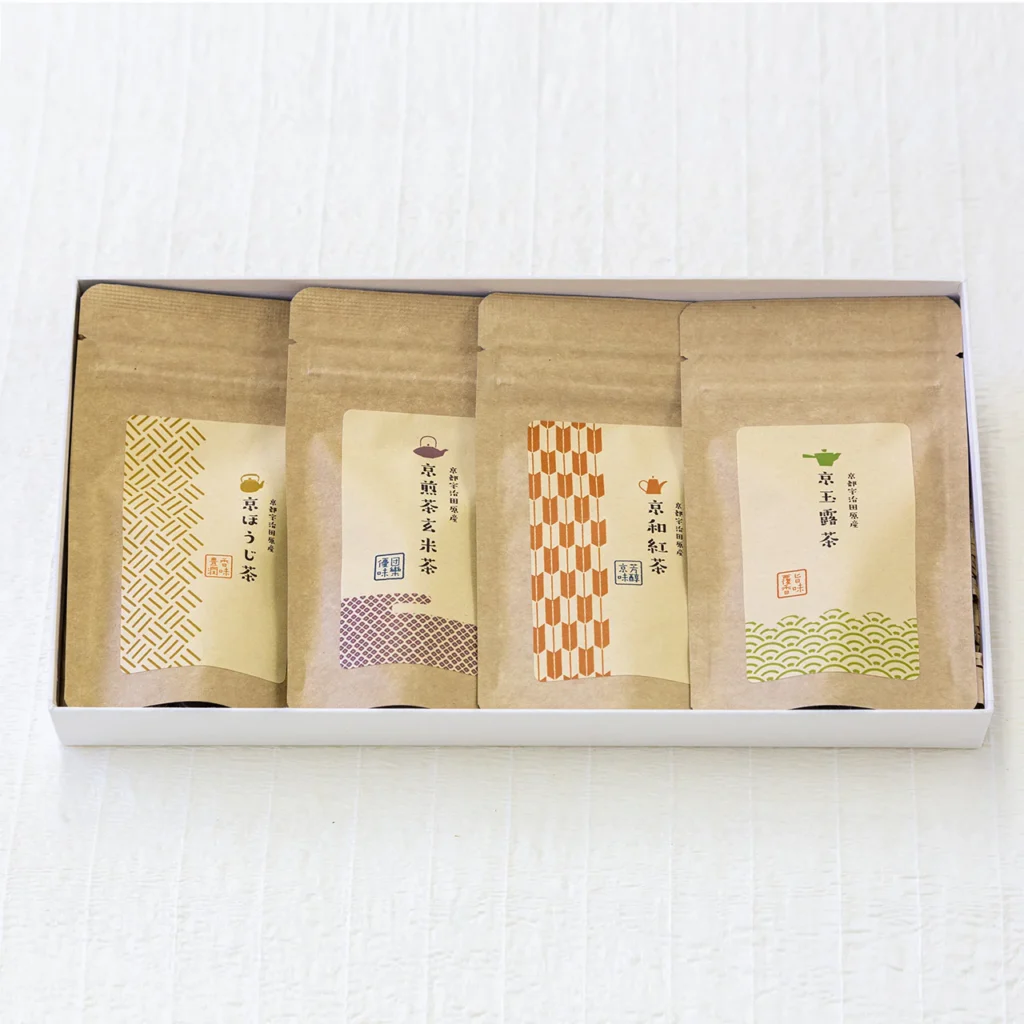
Hello! This is Goencha. As a talisman for your loved ones! Tea has long been associated with wishes for good health and is considered auspicious, so why not give it as a gift to ward off evil spirits? Learn why tea is recommended as a gift to ward off evil spirits, how to choose the right gift for the recipient, popular gifts, and important etiquette. Find a wonderful gift that conveys your warm wishes for the recipient's health.
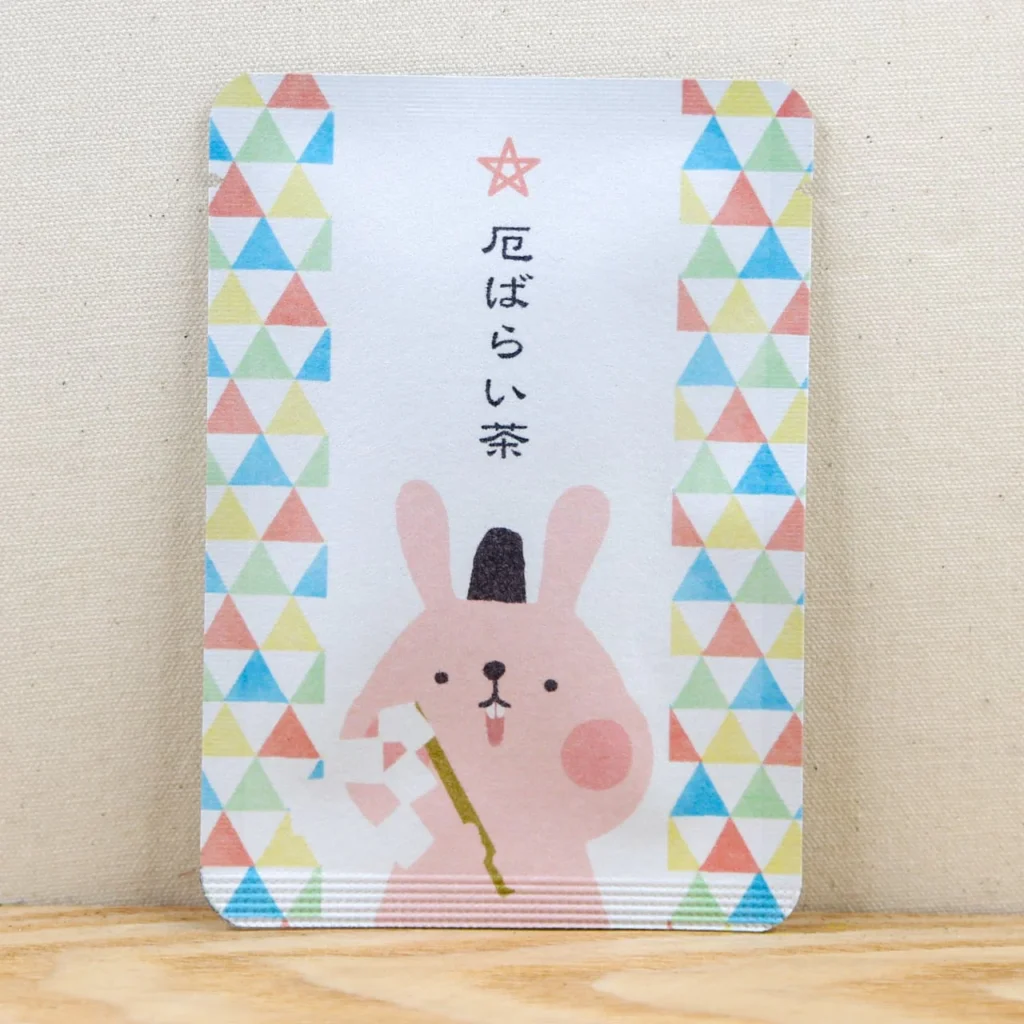
We recommend the cute rabbit "Evil Protection Tea"!

目次
Why tea is chosen as a gift to ward off evil spirits
Gifts to ward off evil spirits are given to loved ones in their daily lives or at the start of a new fiscal year, with the hope that they will be healthy and free from misfortune. Of the many gifts available, there is a special reason why tea, which has been an integral part of Japanese life since ancient times, is chosen. Here, we would like to introduce the meaning behind why tea is a popular gift for warding off evil spirits.
| The main reasons why tea is considered a lucky charm | The meaning and origin |
|---|---|
| Protection from misfortune and disaster | As the proverb goes, "Drink tea in the morning even if you have to travel seven miles," drinking tea in the morning has long been considered a custom to ward off evil spirits and ward off misfortune. It is believed that the pure aroma of tea calms the mind and body and wards off misfortune for the day. |
| Good health and longevity | It comes from the history of "Daifuku Tea," which is said to have quelled epidemics, and the word "Chaju," which celebrates longevity. |
| Prosperity of the family and good fortune | A tea stem standing is considered to be an auspicious sign that the family will prosper. |
It’s even in the proverb! The origin of warding off evil spirits
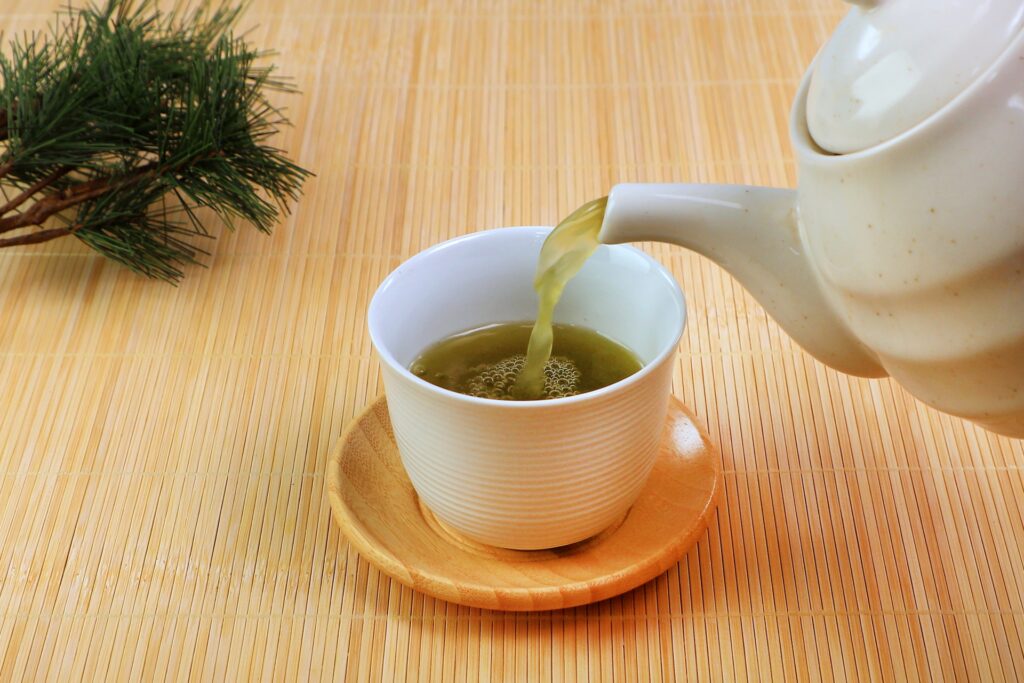
In the past, mornings were considered an important time that determined one's luck for the day, and it was believed that drinking hot tea would purify the body and regulate the stomach and intestines, thereby warding off evil spirits and illness. It was said that drinking tea in the morning before setting out on a journey would ensure safety on the journey, and it was so important that it was said, "Even if you have traveled seven ri (approximately 28 km), if you forget to drink tea, you should go back and drink it again." This proverb is not only a healthy habit, but is also said to have originated as a good luck charm and wisdom for warding off misfortune by purifying the mind and body and avoiding misfortune for the day.
The wish for good health and safety infused into tea
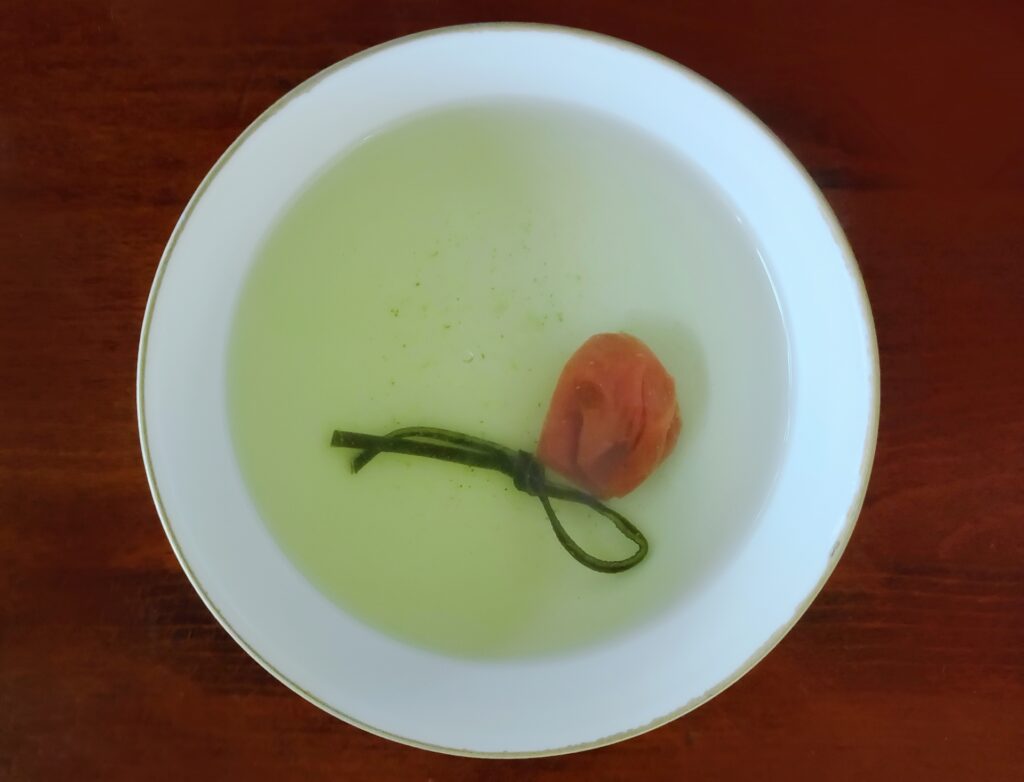
Tea has a long history of being drunk as a medicine. During the Heian period, when an epidemic broke out in the capital, a monk named Kuya served people tea with pickled plums in it, and it is said that the epidemic subsided. Inspired by this story, the emperor of the time began drinking tea on New Year's Day, which marked the beginning of "Obukucha." Daifukucha is imbued with the wish for good health and prosperity throughout the year, and this custom continues to this day as a lucky charm for the New Year.
Additionally, the celebration of turning 108 years old (according to the traditional Japanese age reckoning system) is called "Chaju," which shows the deep connection between tea and longevity. In this way, giving tea as a gift is a heartwarming message of wishing the recipient good health and a long life.
“Tea leaves standing up” is considered to be a good omen
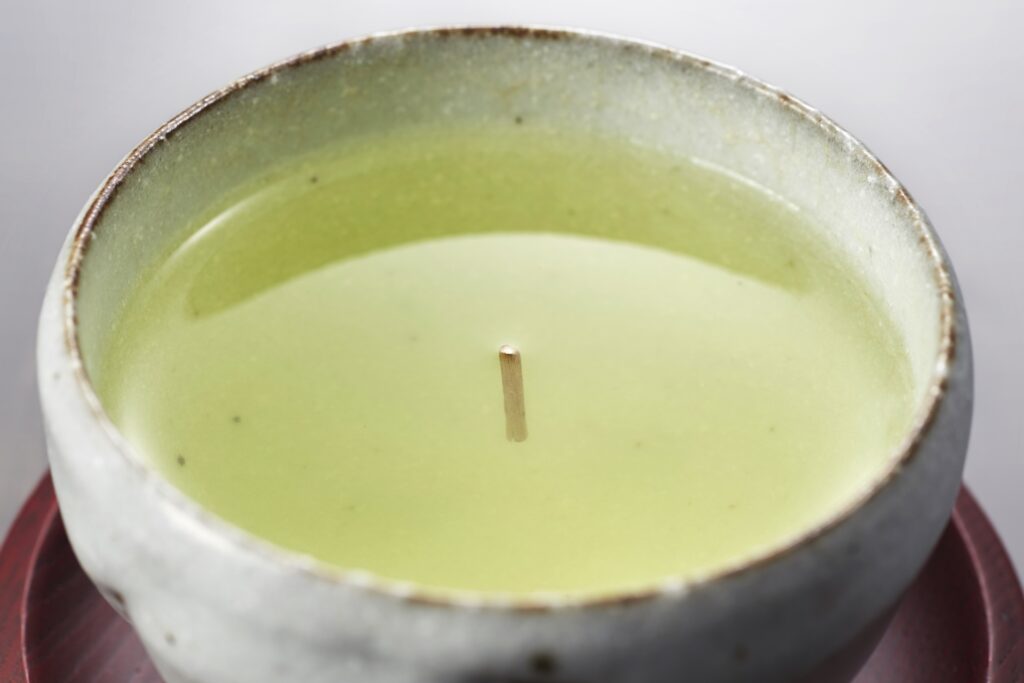
You may have heard the saying, "Good things will happen if the tea stems stand up." This phenomenon, where the tea stems float vertically when brewing tea, has long been considered a sign of good fortune. There are several reasons for this.
One is the idea that having a "pillar standing" like the "main pillar" that supports a house will lead to the prosperity of the house. Also, since the gods are counted as "one pillar, two pillars" (hitohashira, futahashira), it is believed that the gods will protect the tea pillar. With modern tea-making techniques and the structure of teapots, it is rare for a tea pillar to stand up, and because of its rarity, it is considered a symbol of good fortune. Tea is chosen as a gift, as it is thought to be like a talisman that wards off evil and brings good fortune.
How to choose tea as a gift to ward off evil spirits
Because you are giving a gift to a loved one to ward off evil spirits, you want to choose tea that will truly please them. Here, we will introduce how to choose the perfect gift while keeping the recipient's face in mind.
Choose according to the recipient’s preferences
To enrich their daily tea time, it is important to choose tea that suits the recipient's preferences and lifestyle. Try to imagine the recipient's lifestyle and find the perfect cup of tea.
| Opponent Type | Recommended Tea |
|---|---|
| People who regularly drink tea | A cup of tea that can be enjoyed at a special time, such as a slightly luxurious first-grade tea or gyokuro, which some people may not usually drink, will be appreciated. |
| Those who lead busy lives | Tea bags are convenient because you can easily enjoy authentic tea without a teapot. You can also enjoy it at work. |
| Those who care about their health | Low-caffeine roasted green tea, brown rice tea, and caffeine-free health teas are also popular gifts for caring for the body. |
| People who like new things | We also recommend teas that offer unique discoveries, such as Japanese black tea made from domestically grown tea leaves and flavored teas with fruit or floral aromas. |
Choose from teas from famous producing regions
Japan has many unique teas that are cultivated depending on the climate and production methods of each region. By choosing from the region of origin, you can convey the difference in quality and flavor, and it also makes the gift feel more special. We recommend choosing from famous teas from around the country, including the three most famous teas in Japan.
| Origin | Features |
|---|---|
| Shizuoka tea (Shizuoka Prefecture) | It boasts the highest production volume in Japan and is famous for its "Yabukita" variety. Deep-steamed sencha has a rich flavor, while lightly steamed tea from the mountainous region has a refreshing aroma. |
| Uji tea (Kyoto Prefecture) | It is synonymous with high-quality teas such as gyokuro and matcha. It is characterized by its elegant fragrance and deep flavor, achieved through cultivation under cover. |
| Sayama Tea (Saitama Prefecture) | This tea is said to have the color of Shizuoka, the aroma of Uji, and the taste of Sayama. It is made using the traditional method of "Sayama firing," which creates a sweet and rich flavor. |
Choose based on auspicious package design
When it comes to gifts to ward off evil spirits, it's important to pay attention to their appearance. By choosing a design that has a traditional auspicious meaning, you can convey your feelings to the recipient even more.
- The pine, bamboo, plum, crane and turtle
are considered symbols of longevity and vitality, and are standard designs for celebrations. - Daruma dolls and beckoning cats Daruma
dolls, which symbolize the wish to get up after falling down seven times, and beckoning cats, which are said to bring good fortune, are perfect for conveying wishes for better luck. - The six gourds
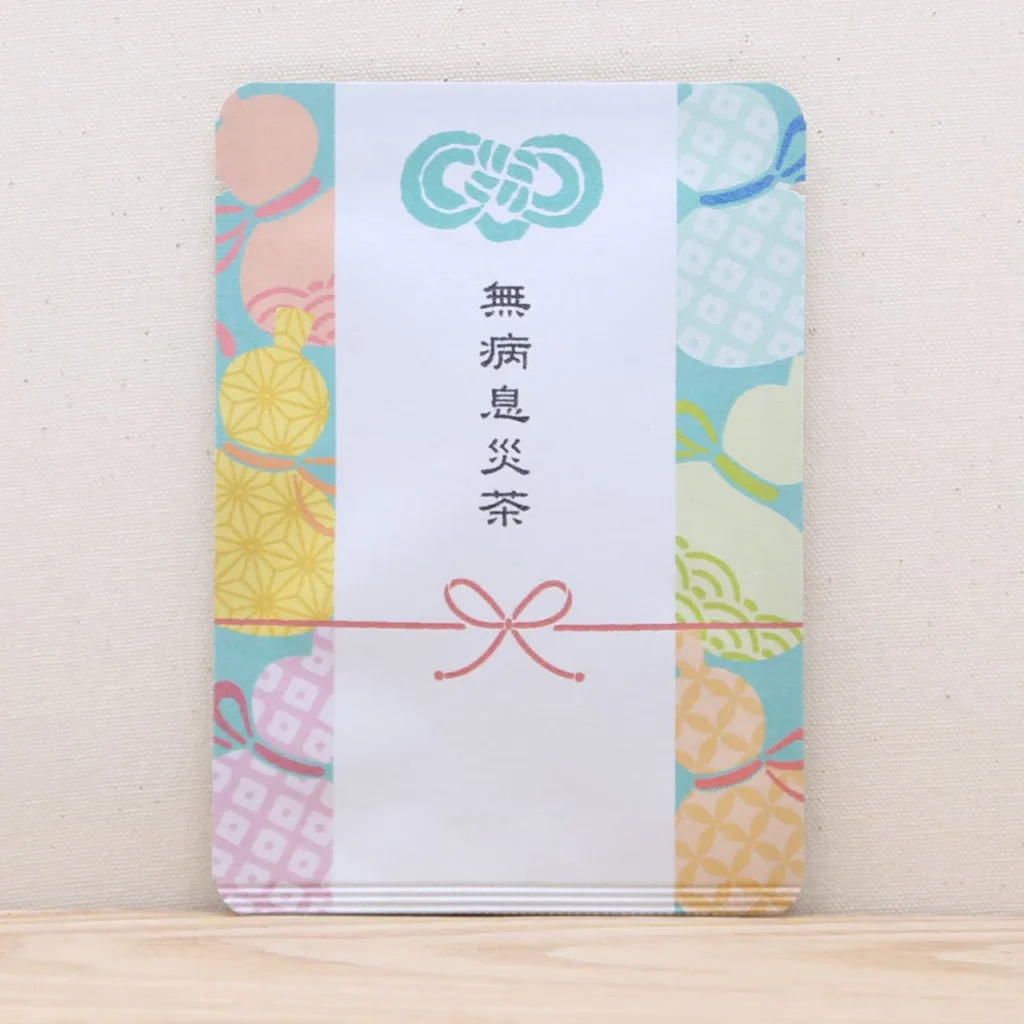
design is said to symbolize good health and good fortune, and is a symbol of six gourds (mubyo).
Rabbits are considered to be auspicious animals, as they only move forward, representing "leaping," and their long ears are said to "gather good fortune. "- Hemp leaf and Seigaiha patterns
are traditional designs that express wishes for children's healthy growth and happiness that will continue into the future.
Recommended as a gift to ward off evil spirits! Kyoto Gyokuro’s Goen Tea is a great tea gift
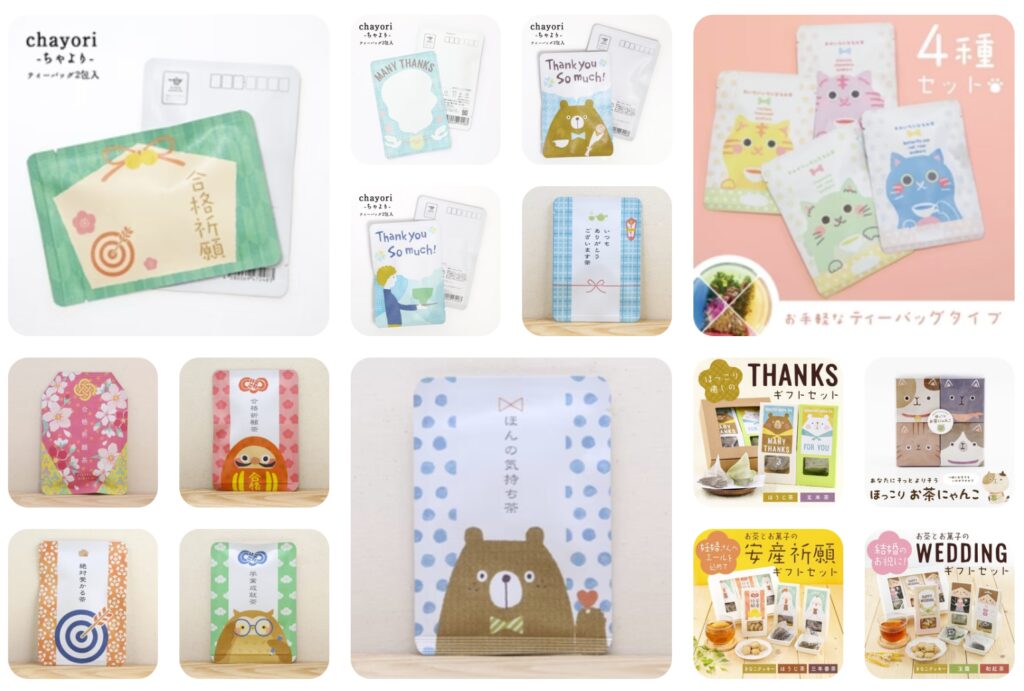
What is Kyoto Gyokuro’s Goen Tea?
Kyoto Gyokuro's Goen Tea is a tea shop that delivers tea from Kyoto with the concept of "making tea more enjoyable." We aim to make high-quality tea more accessible to everyone, with content tailored to their needs.
We value the idea of "tea connecting people," and we offer a wide range of products that are perfect for everyday tea time, as well as gifts for special people and various novelties. We especially recommend our products that can be personalized with original designs or names !
Why not deliver tea that conveys your feelings such as, "May it keep away misfortune" or "May it exorcise evil spirits" ?
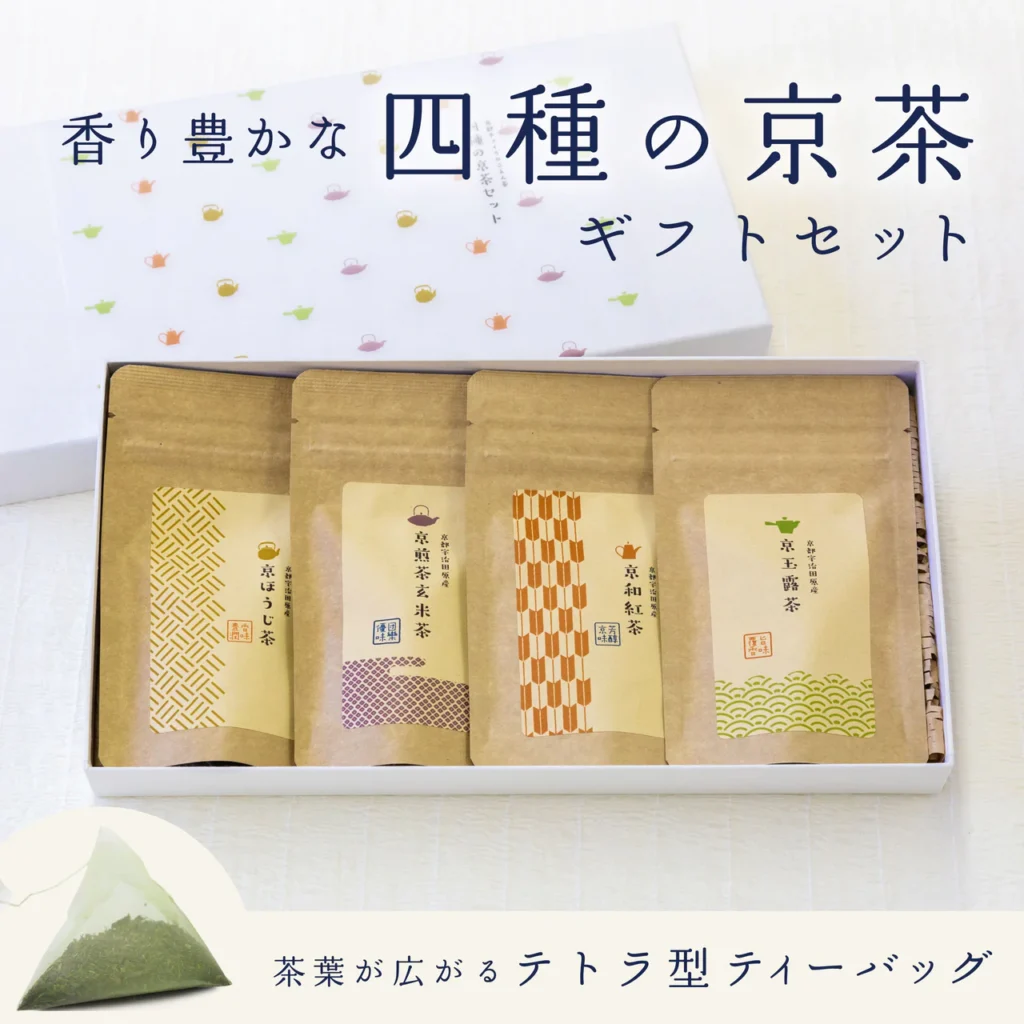
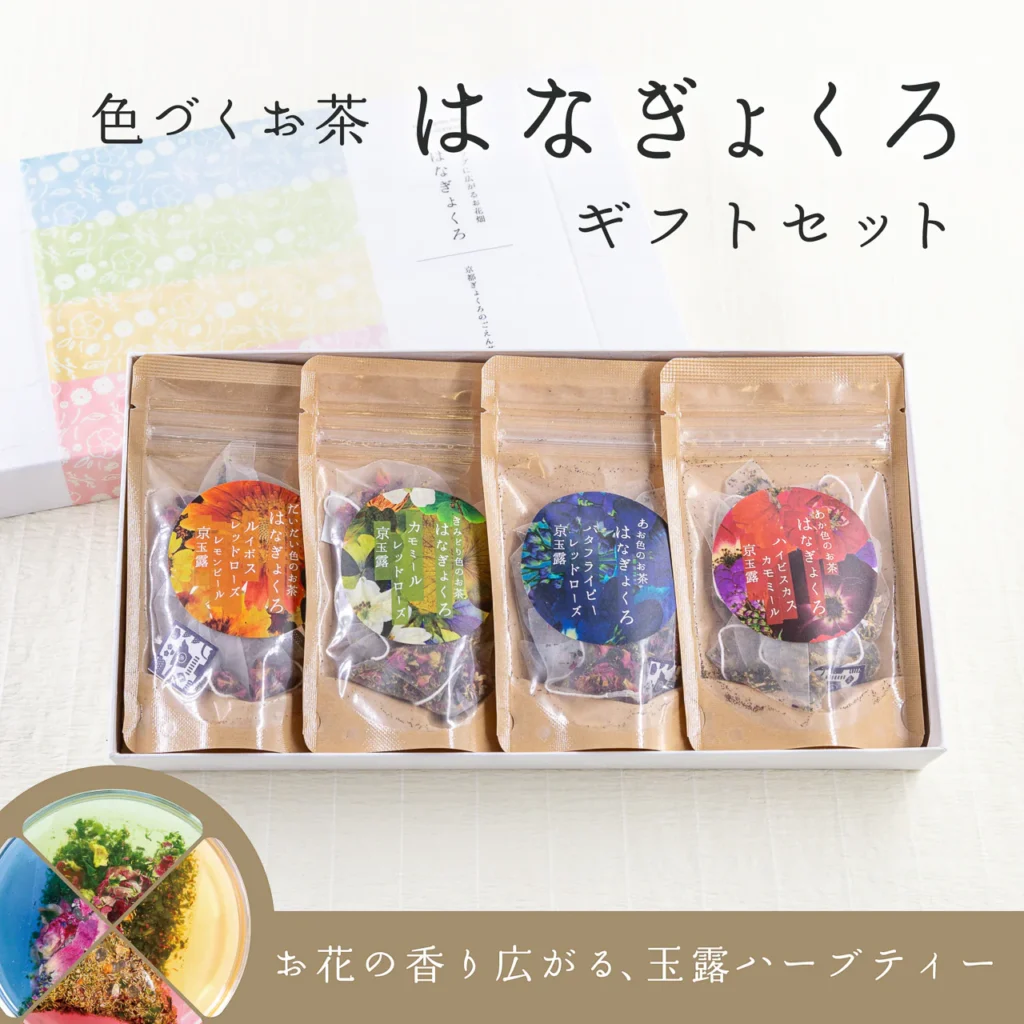
Here are some recommended gifts that convey a message!
A special tea packed with feelings. Create a one-of-a-kind tea with an original greeting tea design. Custom order
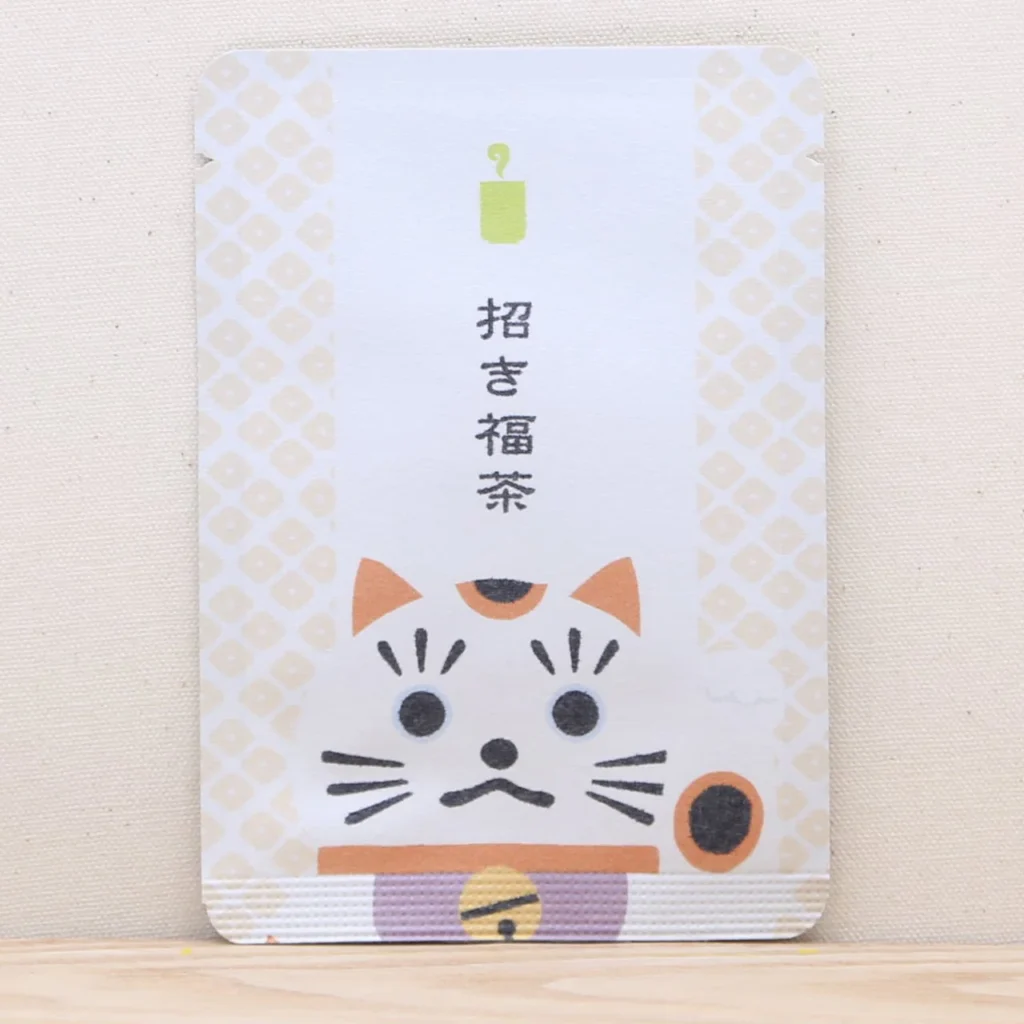


The meaning behind gifts for warding off evil spirits, based on the type of tea
Here we will introduce the meanings behind each type of tea. Tea has long been popular as a lucky charm, and different types of tea are imbued with different wishes.
| Types of Tea | The main meanings | A perfect gift for someone like this |
|---|---|---|
| Green Tea | Good health and longevity | Family members and elderly people |
| Hojicha | Healing and peace of mind | Your friends and colleagues who lead busy lives |
| Brown rice tea | Wealth and Health | For those taking on new challenges and families |
| Matcha | Special times and success | Those who work hard towards their goals |
Green tea | Wishing for good health and longevity
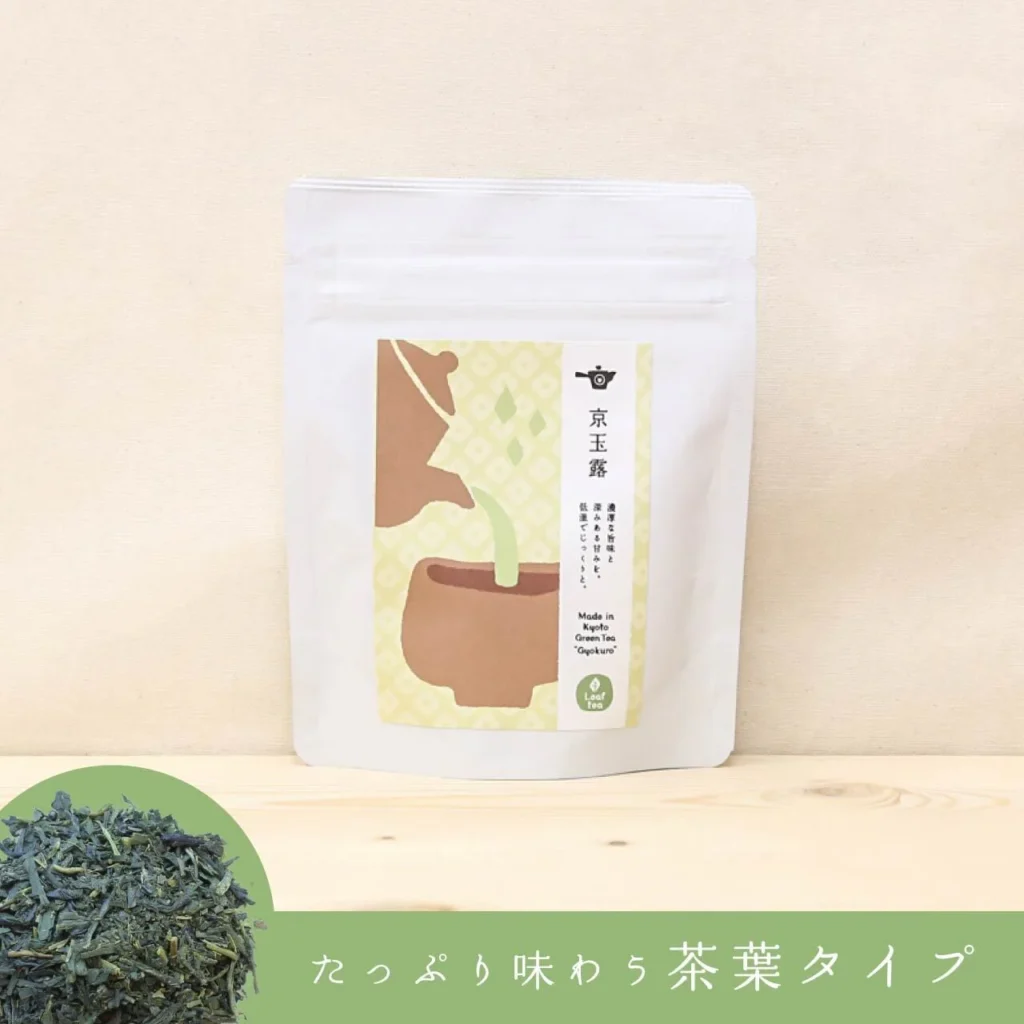
Green tea, with its refreshing taste, is the most common gift for warding off evil spirits. It has a long history of being used as a medicine, and its abundance of the health-giving compound catechin makes it the perfect gift for wishing for good health. It also makes a wonderful gift for wishing for longevity, as the phrase "chaju" (celebrating 108 years old) suggests. It conveys the warm sentiment of "staying healthy and healthy for many years to come."
Hojicha: A soothing gift that calms the soul
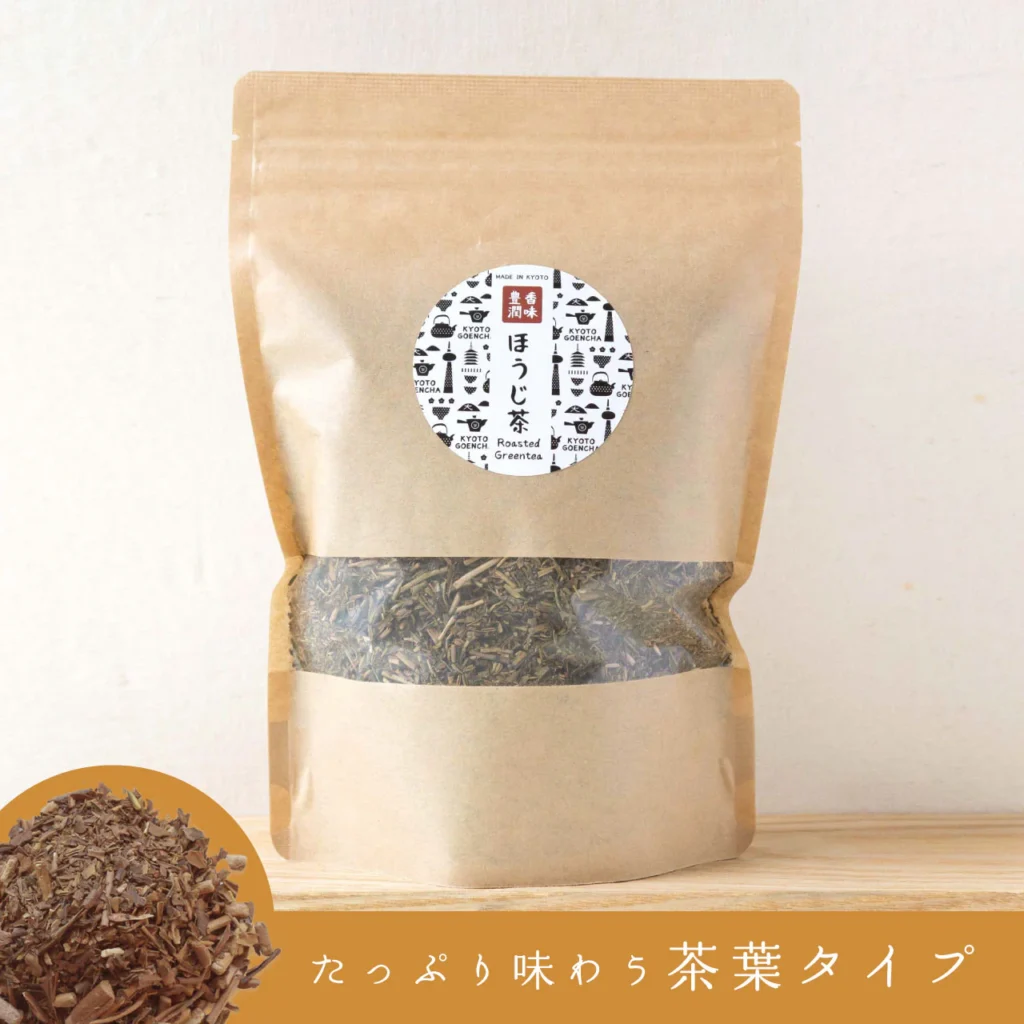
Hojicha, made by roasting tea leaves, has a fragrant aroma that is its greatest appeal. The aroma that rises from the tea is said to have a relaxing effect on the mind, bringing healing and peace of mind to the drinker. This gentle-tasting tea is the perfect gift to express gratitude to those who lead busy lives, expressing appreciation for their hard work.
Genmaicha: A gift for health and prosperity
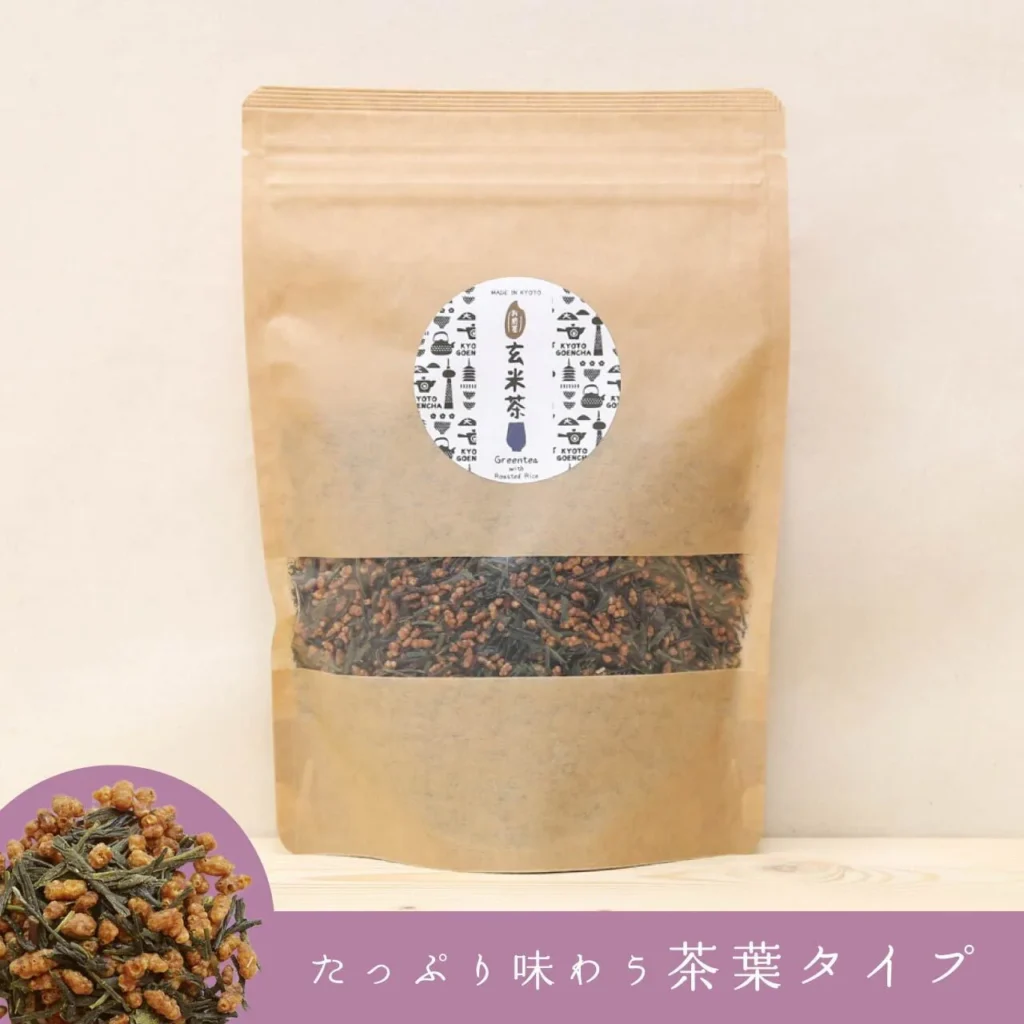
Genmaicha, made by combining green tea with roasted brown rice, is an easy-to-drink tea that harmonizes the aroma of brown rice with the refreshing taste of tea. Because it contains rice, the staple food of the Japanese people, it symbolizes a good harvest and a rich diet, and is considered a gift that brings good fortune and good health.
Matcha | A gift for special occasions and success

Matcha is a special drink, used in the tea ceremony. Its vibrant green color evokes vitality, and the powerful way it is whisked makes it a popular gift for blessings of success and development. Why not give it to someone special to support them in achieving their goals, or to express your wish for them to spend a special time together?
summary
We've explained the meaning of giving tea as a gift to ward off bad luck to a loved one, and how to choose it. Tea has long been an auspicious gift that carries the wish for good health. You'll surely enjoy the time you spend choosing tea, considering the recipient's preferences, place of origin, and package design. Give it a try, choosing tea as a gift that conveys your warm feelings and brings a smile to your loved one's face.