Hello! This is Goencha! Visiting shrines and temples is a wonderful time to experience Japanese culture. As autumn deepens in Japan, I recommend spending some time relaxing here! But have you ever wondered if you're doing it right when it comes to the differences between each location and the correct way to pray? I'll explain everything, from the fundamental differences between shrines and temples to the proper ways to pray at each, and the common etiquette you should know, in an easy-to-understand way even for first-time visitors. Please use this as a reference so you can visit with peace of mind while experiencing the spirit of cherishing Japanese traditions.


Table of Contents
Introduction: Learn the differences and ways to visit shrines and temples and enjoy Japanese culture
When walking through the streets of Japan, you may come across quietly standing shrines and temples. Passing through the torii gates and walking along the cobblestone streets, you will feel a special, calming atmosphere. While they are familiar to Japanese people, some may wonder, "What is the difference between a shrine and a temple?" or "Is this the correct way to pray?"
For first-time visitors and those who want to refresh their knowledge of proper etiquette, we will provide an easy-to-understand explanation of the fundamental differences between shrines and temples, as well as how to worship at each. We will explain each point carefully, without using difficult technical terms, so that everyone can experience Japan's rich culture with ease.
You'll be able to visit shrines and temples with confidence and enjoy Japanese culture on a deeper level! Why not start your journey and experience Japan's beautiful traditions?
May your feelings reach the recipient! The perfect tea gift is “Goen Tea from Kyoto Gyokuro”

What is Kyoto Gyokuro’s Goen Tea?
Kyoto Gyokuro's Goen Tea is a tea shop that delivers tea from Kyoto with the concept of "making tea more enjoyable." We aim to make high-quality tea more accessible to everyone, with content tailored to their needs.
We value the idea that "tea connects people," and we offer a wide range of products that are perfect for everyday tea time, as well as gifts for special people and corporate novelties. We especially recommend our products that can be personalized with original designs or names !
Why not express your feelings of "Thank you"
and "I hope your wish comes true" through tea?
Here are some recommended gifts that convey a message!
A special tea packed with feelings. Create a one-of-a-kind tea with an original greeting tea design. Custom order
It is also recommended as a small token of appreciation for various shrine visits, such as Shichigosan, shrine visits, and prayers for road safety!


Shrines and Temples: Understanding the Fundamental Differences
Shrines and temples are deeply rooted in Japanese culture. While both are places of worship, there are differences in their origins, objects of worship, and the characteristics of their buildings. Understanding the fundamental differences between them will allow you to enjoy Japanese culture on a deeper level.
Shinto and Buddhism: Differences in Objects of Faith and Origins
The biggest difference between shrines and temples is the religion they practice.
Shrines are based on Shinto, while temples are based on Buddhism, two different religions.
What is Shinto?
Shinto is a faith unique to Japan that respects and expresses gratitude to the "eight million gods" that reside in Japan's nature, natural phenomena, and ancestors. It has no specific founder or scripture, but is a faith closely tied to daily life that was born out of living in harmony with nature. It is home to a variety of gods, including Amaterasu Omikami, enshrined at Ise Grand Shrine, and the ujigami (guardian deities) that protect each region.
What is Buddhism?
Buddhism is a teaching that was founded by Shakyamuni Buddha in India approximately 2,500 years ago. It was introduced to Japan via China and the Korean Peninsula, and developed in its own way during the Heian period under the leadership of Kukai and Saicho. In Buddhism, people study the teachings of Buddha, and place great importance on attaining enlightenment and holding memorial services for the deceased. There are many Buddhas, including Amida Nyorai, Yakushi Nyorai, and Kannon Bodhisattva.
In the past, the idea of "Shinbutsu Shugo," a fusion of Shinto and Buddhism, was common in Japan, but in the Meiji period, the Shinto-Buddhist separation order was issued, and each became an independent subject of faith.
Shrines and Temples: Differences in Architectural Style and Facilities Revealed from the Exterior
Shrines and temples have clear differences in their appearance and the facilities within their grounds. If you know this, you may be able to tell the difference even from a distance.
| project | shrine | Temple |
|---|---|---|
| Entrance sign | Torii (Shrine Gate) | Sanmon (mountain gate) |
| Main buildings | Main hall (honden), worship hall (haiden) | Main hall, Daishi hall, pagoda (five-story pagoda, etc.) |
| guardian deity | Komainu (guardian dogs) | Nio statues |
| Characteristics of the temple grounds | Many shimenawa ropes can be seen | There may also be a bell tower, Jizo statue, and cemetery. |
| Architectural style | Mostly linear and simple structures | Diverse styles influenced by mainland China |
Torii gates indicate the entrance to the sacred grounds of shrines, while sanmon gates separate the secular world from the sacred grounds of temples. Shrines often have guardian dogs, considered messengers of the gods, on either side of the gate, while temples often have statues of Nio guarding Buddhism.
The things enshrined and their roles: The worlds of gods and Buddhas
Shrines and temples enshrine different beings and have different roles.
The gods enshrined at shrines and their roles
At shrines, gods of nature and historical figures are enshrined as deities. For example, there is Tenmangu Shrine, which enshrines Sugawara no Michizane as the god of learning, and Inari Shrine, which enshrines Inari no Kami as the god of prosperity in business. Worshippers visit to pray for various benefits, such as safety in the home, prosperity in business, protection from evil, matchmaking, and safe childbirth. Shrines are places where people can express their gratitude to the gods and pray for happiness in their daily lives.
The Buddhas enshrined in temples and their roles
Temples enshrine various ranks of Buddha, such as Nyorai (Tathagata), Bodhisattva (Bosatsu), Myo-o (Wisdom King), and Tenbu (Heavenly Beings). Well-known examples include Kannon Bodhisattva, who saves people, and Yakushi Nyorai, who heals the sick. Temples are places of training to learn the teachings of Buddha and find spiritual peace, and are also important places to hold memorial services for the deceased. Worshippers visit to pray for worldly benefits such as recovery from illness and passing exams, as well as to honor their ancestors and find peace of mind.
Although shrines and temples have different beliefs and roles, they have been treasured as spiritual anchors for the Japanese people. By learning about these differences, you can visit each place and appreciate the deeper meanings they hold.
Learn the correct way to pray at a shrine

Visiting a shrine is an important part of Japanese culture. By knowing the proper etiquette, you can show respect to the gods and offer prayers with a refreshing feeling. Here, we will take a look at the correct way to visit a shrine, step by step.
Etiquette for passing through the torii gate and walking along the approach to a shrine
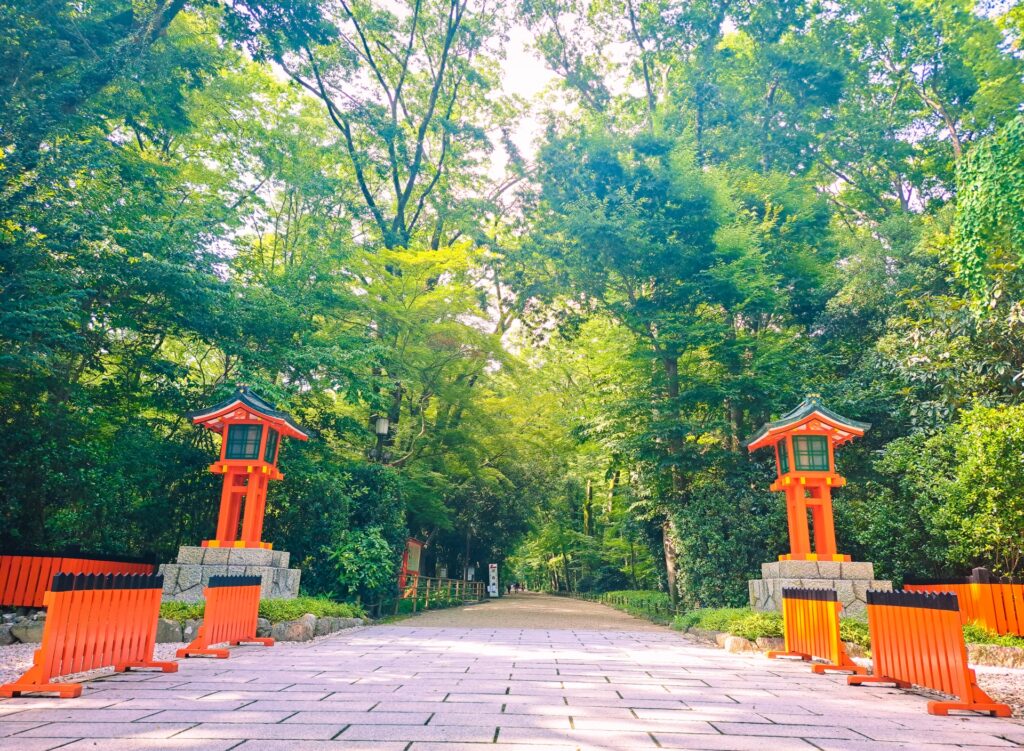
The torii gate at the entrance to a shrine is a barrier that separates the secular world from the sacred area. When passing through the torii gate, make a slight bow as a greeting to the gods. If you are wearing a hat, it is good etiquette to take it off in front of the torii gate.
The approach to the shrine beyond the torii gate is said to be the path the gods walk on. The center of the approach is called "seichu" and is the path the gods walk on. We should avoid the center and try to walk on either the left or right edge. If you need to cross the approach, it is polite to bow slightly in the center before crossing.
How to purify yourself at the Chozuya (purification basin) - Purify yourself using the correct procedure
The temizuya is a place where you can purify your body and mind before praying. Purifying yourself at the temizuya is called "taking the temizu." Follow the steps below to purify yourself wholeheartedly.
| Procedures and etiquette |
|---|
| 1. Take the ladle in your right hand and scoop up some water. |
| 2. First, rinse your left hand with the water you have drawn. |
| 3. Next, switch the ladle to your left hand and rinse your right hand. |
| 4. Switch the ladle back to your right hand, pour some water into the palm of your left hand, and rinse your mouth. Be careful not to touch the ladle directly to your mouth. |
| 5. After rinsing your mouth, rinse your left hand again. |
| 6. Finally, stand the ladle upright, rinse the handle with the remaining water, and return it to its original place. |
The proper way to do this is to use only the first water you scoop into the ladle.
How to put in offerings and the procedure for worship: two bows, two claps, one bow
After purifying yourself at the temizuya, you can finally head to the worship hall to greet the gods. Put in your offering and pray with all your heart.
- Stand in front of the offering
box and quietly put your offering into it with gratitude. There is no set amount, but many people put in a 5 yen coin in the hope of good fortune. - If there is a bell to ring
, pull the string to ring the bell. The sound of the bell is said to ward off evil spirits and summon the gods. - Two Bows, Two Claps, One Bow EtiquetteNow
it's time to greet the gods. Follow the steps below.
First, bow deeply twice (two bows). Next, place both hands together at chest height, move your right hand slightly forward and clap twice. At this time, recite in your mind your gratitude and prayers to the gods. Keeping your hands together, convey your prayers. Finally, lower both hands and bow deeply once (one bow). This is the basic method of worship in Shinto. Do it with all your heart.
How to receive amulets and talismans, and etiquette for goshuin stamps
After you have finished praying, you can receive amulets and talismans at the gift shop. You can also receive goshuin stamps, which have become increasingly popular in recent years, here.
About amulets and talismans
Amulets and talismans are the incarnations of the gods, protecting us and helping us make our wishes come true. There are many different types, including those for traffic safety, academic success, and household safety. At the gift shop, you can choose one that suits your purpose and offer an offering.
Please take good care of the amulets and talismans you receive. It is common to wear amulets at all times or carry them in a bag. It is said that it is best to enshrine ofums in a Shinto altar or a high, pure place facing south or east.
You can bring your old charms and talismans to the "old talismans collection point" set up at shrines around the New Year holidays. By bringing them with gratitude, the shrine will burn them.
About Goshuin
A goshuin is a stamp that you can receive as proof of your visit to a shrine. When receiving a goshuin, you should prepare a special goshuin book (goshuincho). Hand over the goshuin book at the shrine office and pay an offering. The goshuin is the shrine's seal and the name of the shrine written in ink. Please keep it safe as a memento of your visit.
Goshuin stamps are not a stamp rally. The proper etiquette is to receive one after greeting the gods. Pray with all your heart and receive a goshuin stamp as proof of your visit.
Learn the correct way to pray at a temple

Temples are places where Buddha is enshrined. Visitors should pray sincerely and with a different etiquette than at shrines.
Etiquette when passing through the temple gate and how to walk around the temple grounds
At the entrance to a temple, there is a gate called a Sanmon gate. When passing through the Sanmon gate, it is proper etiquette to bow before entering. Be sure to step over the threshold without stepping on it.
Once you pass through the temple gate, the temple grounds will open up. The center of the grounds is considered the path for the Buddha, so try to walk on the edges. Walking quietly and being considerate of your surroundings is also important etiquette.
How to purify yourself at the chozuya and incense burner
Some temples also have a chozuya (purification fountain) where you can purify your hands and mouth just like at a shrine before heading to the main hall. The procedure is as follows:
| Procedures and etiquette |
|---|
| 1. Take the ladle in your right hand, scoop up some water, and rinse your left hand. |
| 2. Next, switch the ladle to your left hand and rinse your right hand. |
| 3. Switch the ladle back to your right hand, pour some water into your left palm, and rinse your mouth. |
| 4. Rinse the handle of the ladle with the remaining water and return it to its original place. |
In temples that do not have a temizuya (purification fountain), or in front of the main hall, there may be a "jokoro" (incense burner). The jokoro is used to offer incense and purify the mind and body by bathing in its smoke. When lighting an incense stick, extinguish it by lifting your hand and then placing it in the burner. By lightly bathing your head and body in the smoke, you purify your mind and body, preparing to face Buddha with a pure mind.
How to put offerings in the shrine and the procedure for praying with your hands together
When you arrive at the main hall, the first thing you should do is make an offering. Offerings are a way to show gratitude to the Buddha. There is no set amount, so just put your offering into the offering box quietly and with all your heart.
After offering your offering, you should place your hands together in prayer. At temples, you do not clap your hands as you would at a shrine. You should quietly place your hands together and convey your gratitude and wishes to the Buddha. The specific steps are as follows:
| Procedures and etiquette |
|---|
| 1. Quietly place your offering into the offering box. |
| 2. Place your hands together in front of your chest and pray. |
| 3. Close your eyes and express your gratitude and wishes in your heart. |
| 4. Quietly lower your hands, bow once, and finish your prayer. |
When joining your hands together, it is considered proper to align your fingertips and leave a small space between your palms. Calm your mind and offer your prayers quietly.
How to receive amulets and talismans, and etiquette for goshuin stamps
Temples also offer amulets and talismans. These are believed to contain the power of Buddha and to bring benefits such as protection from misfortune and the fulfillment of wishes. Accept them with gratitude at the gift shop or temple office.
A goshuin is a stamp given as proof of visiting a temple. It originally began as proof of copying sutras or submitting sutras, but now it is widely loved as a memento of worship. When receiving a goshuin, prepare a goshuin book and ask for one at the temple office or temple office. It is good etiquette to always pray at the main hall before receiving a goshuin. Treat your goshuin with care and take it home as a fond memory.
Common manners and points to keep in mind when visiting a shrine
Clothing and photography etiquette
Shrines and temples are sacred places, so please be sure to act and dress respectfully when visiting.
Make sure to wear clean clothes
There are no special rules, but it is best to wear clean clothes. Avoid clothes that are too revealing or flashy, and try to dress modestly.
It is also common to take off your hat before passing through the torii gate or the mountain gate, and when heading towards the main shrine or hall.
Important points to note and consideration when taking photos
You may want to take photos of beautiful scenery and buildings, but there are some etiquette rules to follow when taking photos.
- Check areas where photography is prohibitedThere
are areas where photography is prohibited, such as the interior of the main hall and the main temple, and areas where hidden Buddha statues are enshrined. Be sure to check the signs and guide signs carefully. - Consideration for other worshippers:
Please refrain from using flash and be mindful of the shutter sound. Please also be mindful of other worshippers' privacy so that their faces do not appear in the photograph. - Using tripods and selfie sticks
When it is crowded or in a narrow space, using tripods and selfie sticks may cause inconvenience to other worshippers. Please check your surroundings to see if their use is permitted. - Caution when posting on social media
When posting photos to social media, please be mindful of the faces and personal information of other people who may appear in the photos, and try to post with moderation.
Frequently Asked Questions Q&A about visiting shrines and temples
We will answer questions that many people have when visiting the shrine in a Q&A format. Please enjoy your visit with peace of mind.
| question | answer |
|---|---|
| Q1: Do I need to make a reservation to visit? | Generally, no reservations are required for individual worship. However, if you wish to make a special visit or have a group prayer or supplication, you may need to contact the shrine in advance. We recommend checking the official website. |
| Q2: Can I bring my pets to the shrine? | Many shrines and temples restrict the entry of pets into their grounds. In particular, they are not allowed inside buildings or sacred spaces. While you may need to take care to keep your pet on a leash or hold it in your arms, it is best to check in advance or refrain from bringing your pet with you. |
| Q3: Can I eat, drink, or smoke? | Eating, drinking, and smoking are generally prohibited within the temple grounds. If there are designated rest areas or smoking areas, please use them. Please refrain from eating or drinking while walking, and be sure to take your trash with you when you leave. |
| Q4: What happens if I forget my goshuincho? | If you forget your goshuincho (stamp book), some places have pre-written goshuin stamps available. They may also write them on temporary paper so you can paste them later, so please ask at the shrine or temple office. |
| Q5: What should I be careful of when visiting the shrine with children? | You can enjoy visiting the shrine with your children without worry. However, please tell your children to be quiet and not run around or shout within the grounds. There are some areas where it is difficult to use a stroller, so it is a good idea to check in advance. |
summary
We've explained everything from the fundamental differences between shrines and temples to the methods of worship at each and common etiquette. By learning about the objects of worship, origins, and architectural features of Shinto and Buddhism, you can appreciate the profound depth of Japanese culture. Also, by learning the proper etiquette for passing through the torii gates and mountain gates, how to purify yourself at the temizuya (purification fountain), and how to deposit your offering, you'll understand the meaning behind each action and be able to worship with a more peaceful mind. Cherish Japanese traditions and head out to visit shrines and temples!