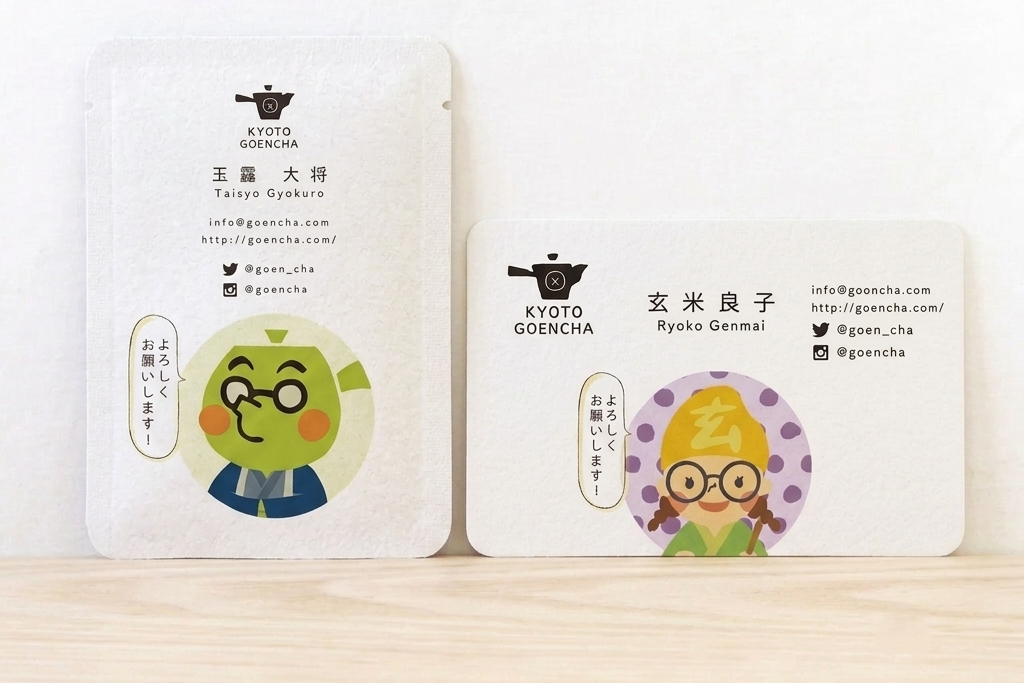
Hello! This is Goencha! Today, we’re introducing the differences between vertical and horizontal business cards! When creating a business card, many people wonder, “Which orientation should I choose?” In today’s business world, horizontal business cards are the most common because they make email addresses and English text easy to read. However, vertical business cards, with their calm and traditional appearance, remain popular in traditional industries and professional fields. In this article, we’ll look at the features, advantages, and disadvantages of each style, as well as how to choose the right orientation for your industry. We hope this helps you create the perfect business card.

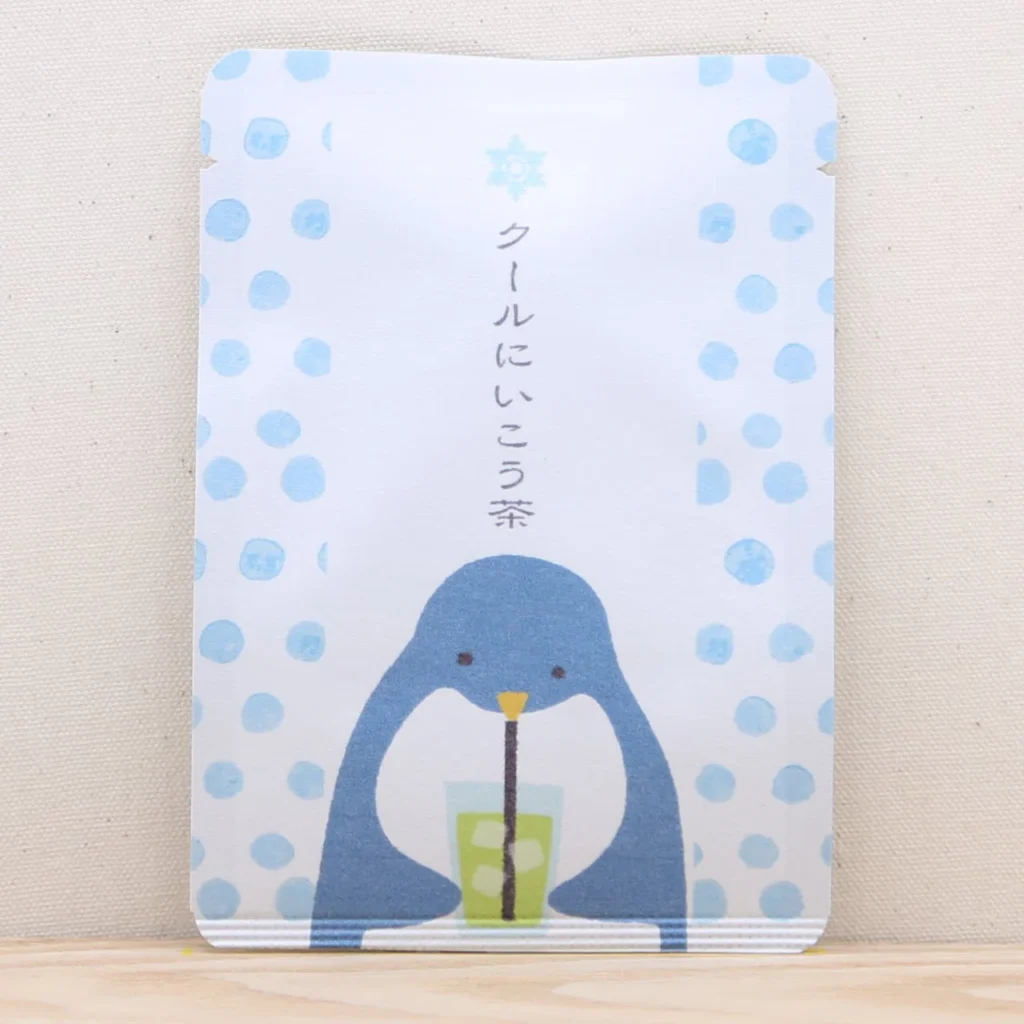
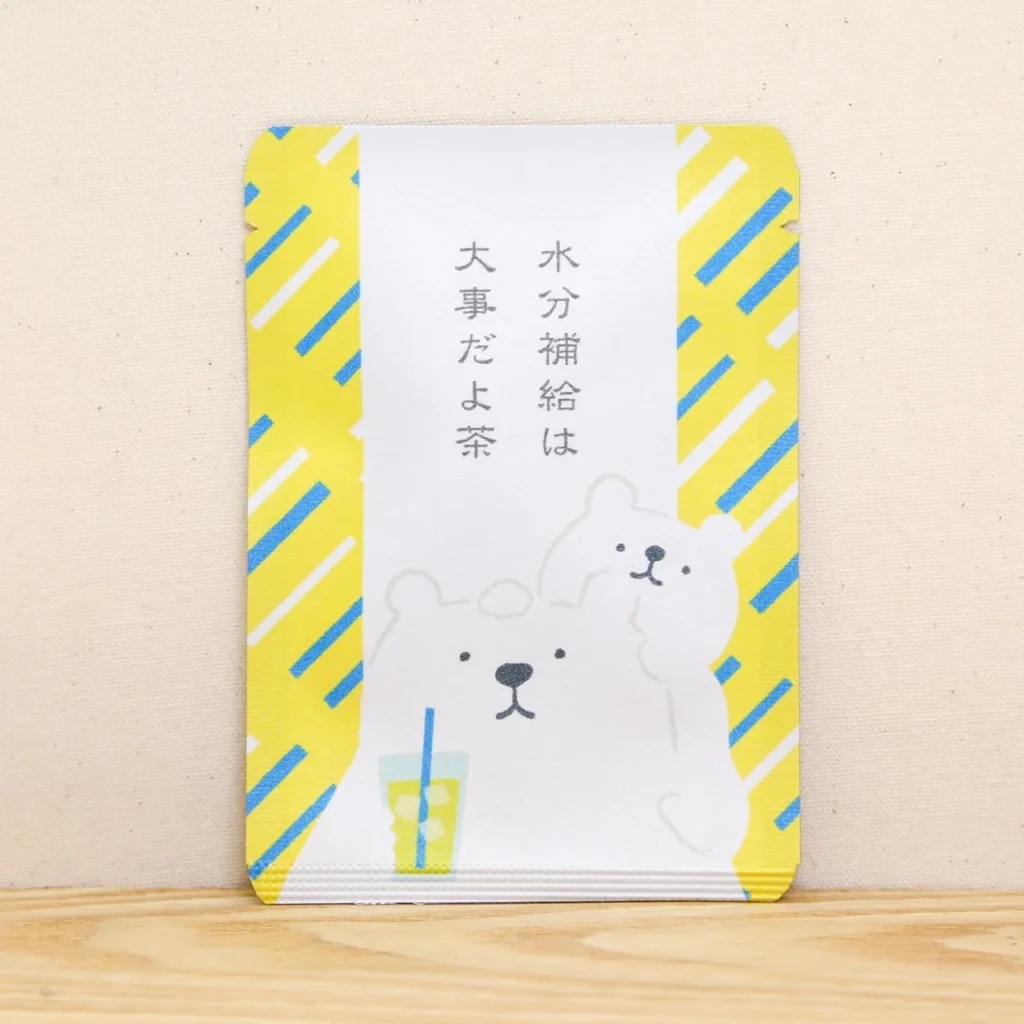
Table of Contents
Vertical or Horizontal Business Cards: Which Is Better? Current Trends and Popular Choices
In today’s Japanese business world, horizontal business cards are the most common choice. However, vertical business cards are still used in certain industries and for particular purposes. First, let’s compare the characteristics of each style and the situations in which they are commonly used.
| Comparison | Horizontal Business Cards | Vertical Business Cards |
|---|---|---|
| Current Popularity | Common across most industries | Established in certain industries and professions |
| Main Text Orientation | Horizontal writing | Vertical writing |
| Common Uses | General businesses, IT companies, international companies, etc. | Traditional companies, professional services, government offices, Japanese-style businesses, etc. |
Why Horizontal Business Cards Have Become the Standard in Japan
Vertical business cards were once the standard in Japan, but horizontal cards are now the most common style in today’s business world. One reason for this shift is the changing type of information included on business cards.
As email addresses, website URLs, social media accounts, and other alphanumeric information have become more common, horizontal business cards have gained popularity because this information is easier to display horizontally. They are also easier for business card management apps to scan and align with the horizontal format commonly used overseas.
Why Vertical Business Cards Remain Popular
Although horizontal business cards are now the standard, vertical business cards have their own unique appeal. Japanese has traditionally been written vertically, so arranging company and personal names vertically can create an elegant and composed appearance.
For this reason, vertical business cards are still commonly chosen by long-established companies, professional service providers, government offices, and businesses that value a traditional Japanese aesthetic. Because horizontal cards are so common today, a vertical card can also stand out and leave a lasting impression.
A Great Business Tool for Sales, Too! Tea Gifts from Kyoto Gyokuro no Goencha

What Is Kyoto Gyokuro no Goencha?
“Kyoto Gyokuro no Goencha” is a tea shop that delivers tea from Kyoto based on the concept of “Making Tea More Fun.” We offer high-quality tea in ways that suit a variety of needs, making it easier for everyone to enjoy great tea in everyday life.
With a focus on “tea that brings people together,” we offer a wide range of products that are perfect not only for your daily tea time but also as gifts for someone special or as promotional items for various occasions. For gifts in particular, we recommend our products that can be customized with original designs and names!
“Nice to meet you!” “I look forward to working with you!”
Why not express those feelings with a thoughtful gift of tea?
Here are some recommended gifts that help convey your message!!
Special tea filled with heartfelt wishes: Greeting Tea
Create a one-of-a-kind tea with your own original design: Custom Orders
Large orders of 3,000 or more are also available!


Advantages and Disadvantages of Vertical and Horizontal Business Cards
When choosing the orientation of your business card, it is important to understand the characteristics, advantages, and disadvantages of each style. Vertical and horizontal cards differ in terms of readability and the impression they create, so choose the format that best suits your purpose and industry.
| Category | Horizontal Business Cards | Vertical Business Cards |
|---|---|---|
| Main Features | Horizontal text makes alphanumeric characters and URLs easy to read | Vertical writing highlights the beauty of Japanese text |
| Advantages | Large amounts of information can be arranged neatly | Creates a traditional and trustworthy impression |
| Disadvantages | Less suited to creating a traditional Japanese or formal impression | Long email addresses and English text can be difficult to fit |
Features, Advantages, and Disadvantages of Horizontal Business Cards
Horizontal business cards are the most widely used style in today’s business world. Because text can be arranged horizontally, essential modern business information such as email addresses and website URLs can be presented clearly and neatly.
Advantages of Horizontal Business Cards
One advantage of horizontal business cards is that alphanumeric information such as email addresses, website URLs, and social media accounts is easy to read. Because the eye naturally moves from left to right, even a large amount of information can be organized in a clear and readable way. This format is also easy to use with business card management apps and filing systems.
Disadvantages of Horizontal Business Cards
On the other hand, horizontal business cards may appear somewhat casual in long-established companies or traditional industries. They may not be the best choice when you want to emphasize Japanese aesthetics, formality, or a composed and conservative image.
Features, Advantages, and Disadvantages of Vertical Business Cards
Vertical business cards are a traditional style that has long been used in Japan. They work particularly well with vertically written Japanese and can create a calm, dignified, and formal impression.
Advantages of Vertical Business Cards
One advantage of vertical business cards is their ability to convey trustworthiness and formality. Kanji and kana names look especially elegant when written vertically, making this style ideal for situations where courtesy and sincerity are important.
Disadvantages of Vertical Business Cards
One disadvantage of vertical business cards is that alphanumeric information can be difficult to arrange. Long email addresses and company names written in English can be difficult to read vertically, so careful layout is required when placing them horizontally on a vertical card.
Etiquette and Important Points When Choosing a Vertical or Horizontal Business Card
There is no difference in business etiquette between vertical and horizontal business cards. Neither orientation is considered impolite. What matters is arranging the information clearly and using a consistent presentation style.
Etiquette Differences Based on Text Orientation and Formatting
As a general rule, the orientation of the text should match the orientation of the business card. Vertical cards typically use vertical writing, while horizontal cards use horizontal writing, making the information easier for the recipient to read during a business card exchange or when storing the card.
Number formatting also generally changes according to the direction of the text. Japanese numerals are commonly used in vertical writing, while Arabic numerals are generally used in horizontal writing. It is best to keep the formatting consistent for information such as phone numbers and street addresses.
| Category | Vertical Business Card (Vertical Writing) | Horizontal Business Card (Horizontal Writing) |
|---|---|---|
| Number Format | Japanese numerals (一、二、三) | Arabic numerals (1, 2, 3) |
| English Letters and Symbols | Placed vertically or rotated sideways | Can be arranged naturally as they are |
| Suitable Information | Company names, department names, personal names in kanji, etc. | Email addresses, URLs, English text, etc. |
Etiquette When Including English Text or Email Addresses
When including an email address, website URL, English job title, or similar information, a horizontal business card is generally easier to read. This is because letters and numbers work naturally with horizontal writing, making it easier to arrange the information neatly.
Adding a long email address to a vertical business card may require adjustments to the text direction and layout, which can disrupt the overall balance. Horizontal writing is also the standard choice for business cards written in English.
If you want to maintain a vertical design while also including English information, consider using the back of the card. Using vertical Japanese writing on the front and horizontal English writing on the back provides both readability and an attractive design.
How to Choose Between Vertical and Horizontal Business Cards by Industry
When choosing between a vertical and horizontal business card, it is important to consider the impression associated with your industry or profession. The table below summarizes the orientation commonly suited to different industries and the reasons behind each choice.
| Industry / Profession | Recommended Orientation | Main Reason |
|---|---|---|
| IT, Web, International Companies | Horizontal | Often includes English text and URLs and creates a modern impression |
| Professional Services, Traditional Companies, Japanese-Style Businesses | Vertical | Works well with vertically written Japanese and conveys trust and formality |
| Design and Creative Fields | Vertical or Horizontal | Can be freely selected according to the desired style and layout |
Horizontal Business Cards for IT and International Companies
Horizontal business cards are widely used in the IT industry, Web-related companies, and international businesses.
Easy-to-Read Alphanumeric Information and Website URLs
These industries often include a large amount of alphanumeric information, such as email addresses, website URLs, and social media accounts. A horizontal business card allows letters and numbers to be read naturally, keeping the information clear and well organized.
Compatibility with Global Standards
Horizontal business cards are common overseas. International companies and businesses that frequently work with overseas clients often use English-language business cards, making the horizontal format a convenient choice that aligns with global standards.
Vertical Business Cards for Traditional Companies and Professional Services
Vertical business cards remain a popular choice among professionals such as lawyers and certified public accountants, long-established companies, and businesses that value a traditional Japanese aesthetic. Their appeal lies in their ability to convey formality, trustworthiness, and tradition.
Creating a Formal and Trustworthy Impression
In Japanese business settings, vertically written text can create a polite and formal impression. Arranging a person’s name and company name vertically can help convey sincerity and professionalism.
Traditions of Japanese-Style Industries and Long-Established Companies
Long-established businesses, Japanese restaurants, and professions related to traditional crafts often place great importance on long-standing customs and traditions. Using a vertical business card can communicate respect for tradition while creating a calm and refined impression.
Recommended Business Card Designs for Creative Professionals
For creative professionals such as designers, writers, and photographers, either vertical or horizontal business cards can work well. Because these fields allow greater creative freedom, you can choose the orientation that best matches the style and visual identity you want to express.
Make the Most of Layout Flexibility
Using horizontal text on a vertical card or incorporating generous white space into the design can create a distinctive impression. Breaking away from conventional layouts can make the card more visually memorable.
Coordinate the Card with Your Portfolio or Creative Style
Choose the orientation of your business card to match your personal style or the atmosphere of your work. For example, a horizontal card may be ideal for showcasing illustrations or photographs, while a vertical card may work better when you want to highlight beautiful typography and white space. Choose the format according to your purpose.
Key Points When Choosing Between a Vertical and Horizontal Business Card

If you are unsure which business card orientation to choose, consider the amount of information you want to include and the impression you want to make. These factors can help you find the style that suits you best.
Choose Based on the Amount of Information You Want to Include
The amount of information you want to include is another important factor when choosing between a vertical and horizontal business card.
If your card includes a lot of information, such as an email address, website URL, social media accounts, and English text, a horizontal format is generally more suitable. Alphanumeric characters can be arranged naturally, resulting in a clear and organized layout.
On the other hand, if your card mainly contains basic information such as your company name, job title, name, and phone number, a vertical format can also create a beautiful layout. Making effective use of white space can give the card a clean and elegant appearance.
| Information | Horizontal Business Cards | Vertical Business Cards |
|---|---|---|
| Suitable Amount of Information | Large (URLs, email, social media, English text, etc.) | Standard or limited (mainly basic information) |
| Text Layout | Horizontal writing (easy to read alphanumeric characters) | Vertical writing (suits kanji and Japanese-style designs) |
Choose Based on the Impression You Want to Create
A business card represents you and your company and is an important tool for shaping a first impression. When choosing the orientation of your card, consider the impression you want to make on the recipient.
The Impression Created by Horizontal Business Cards
Horizontal business cards create a progressive and modern impression. Because they are widely used in today’s business world, they can convey an approachable and flexible image. They are also a common style overseas, making them suitable for businesses that want to create a global impression.
The Impression Created by Vertical Business Cards
Vertical business cards create a traditional and dignified impression. They are effective in situations where courtesy and sincerity are important and are well suited to companies and professions that want to convey stability and trustworthiness.
| Orientation | Impression | Suitable Image |
|---|---|---|
| Horizontal | Modern, approachable, logical | Progressive, open, global |
| Vertical | Traditional, sincere, composed | Established, dependable, disciplined |
Conclusion
Choosing either a vertical or horizontal business card does not violate business etiquette. Horizontal cards are currently the most common because they make email addresses and English text easier to display, while vertical cards continue to be chosen in situations where tradition and formality are valued.
If you are unsure which style to choose, consider the amount of information you need to include, your industry, and the impression you want to make. Start by organizing the essential information, then create a business card design that reflects who you are.