Hello! This is Goencha! This time, I'll be talking about English translations on business cards. When doing business with overseas companies or in global business settings, it's reassuring to have business cards with English translations.
It's not just about translating Japanese into English; it's important to write names, job titles, addresses, etc., according to English rules. In particular, there are points that differ from Japan, such as the order of addresses and how to write phone numbers.
This time, I'll explain everything clearly, from examples of English translations of job titles that can be used directly in business, to how to write addresses and contact information, and points to avoid mistakes. Please refer to this when creating your business cards with English translations.
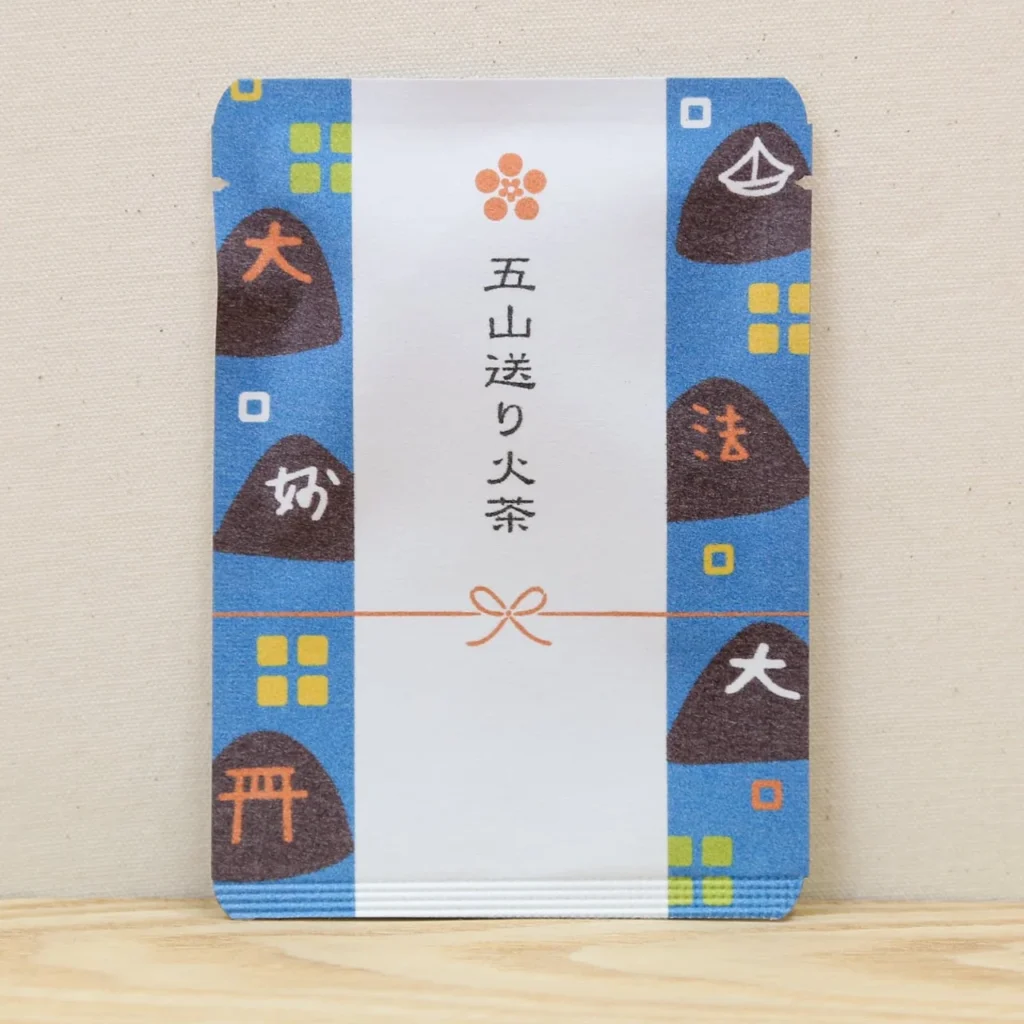
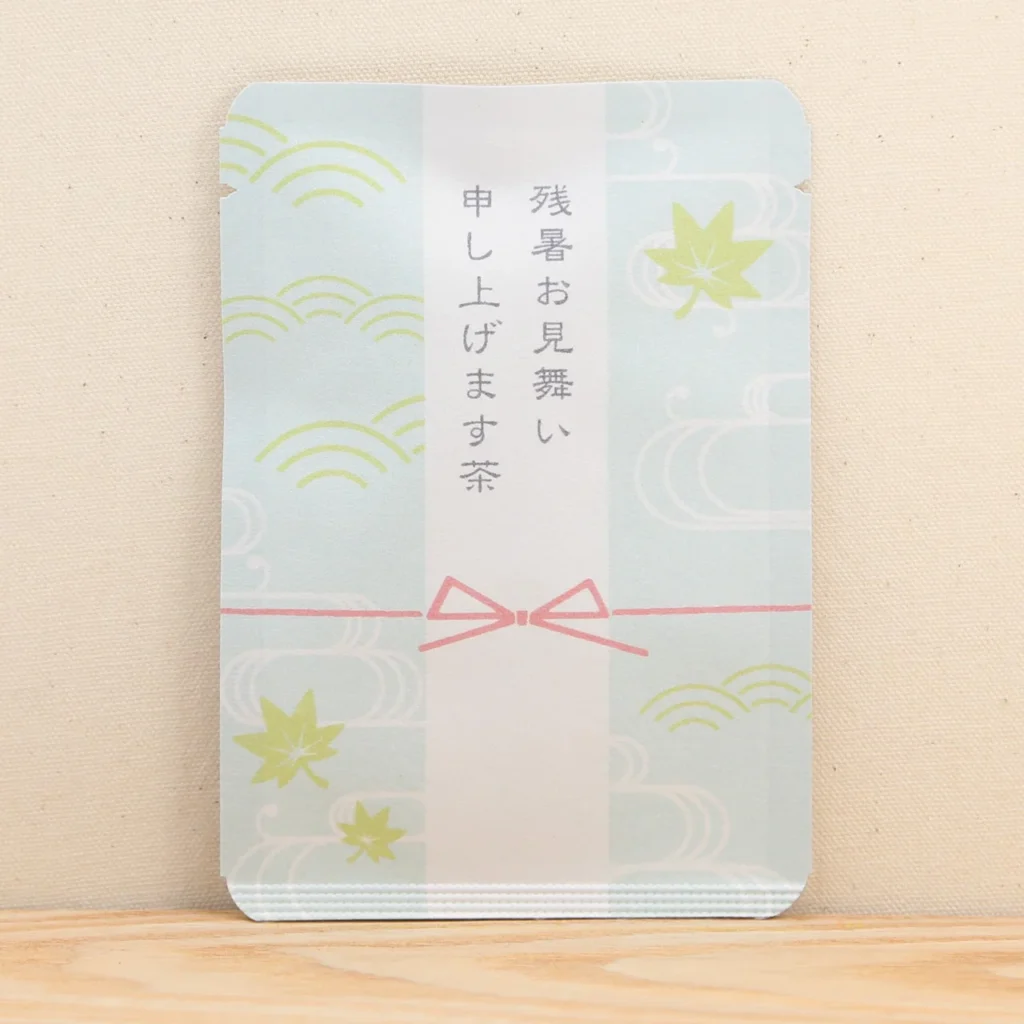
Table of Contents
Basic rules for English translation on business cards
When dealing with overseas companies or in global business settings, it's reassuring to have business cards with English translations. Instead of simply translating Japanese into English, creating cards that adhere to common international rules and layouts will make them easier for others to understand. Here, we'll clearly explain the basics of writing your name and company name on business cards.
How to write your name and English spelling rules
When writing names in English, it is common to write them in the order of "First name - Last name". This format is widely used overseas, so using this order on business cards in English will make it easier to understand.
As a general rule, we use the Hepburn system for Romanization. Using the same system as on your passport and credit cards will make international communication and identity verification smoother.
| Notation | Example of description (in the case of Gyokuro Taisho): | Features and Uses |
|---|---|---|
| First Name and Surname (Standard) | Taisyo Gyokuro | This is the most standard notation. Only the first letter is capitalized. |
| The last name is in all capital letters. | Taisyo GYOKURO | It is used in Western countries to make the distinction between surnames and given names clearer. |
| Last name, first name (with commas) | Gyokuro, Taisyo | If you write your last name first, put a comma immediately after it. |
Using initials (e.g., T. Gyokuro) can make it difficult to distinguish yourself from others with the same name. Therefore, it is recommended to use your full name on business cards in English.
How to write company names and rules for English translation
When writing a company name in English, first confirm the official English name. If an English name is specified on the corporate website or in the company registration, it is generally best to use that name as is.
Furthermore, the legal entity designation added before and after the company name is also an important point. Since the appropriate designation varies depending on the type of company and the country of business partners, be sure to choose the correct one. Typical English designations for legal entities are as follows:
| Japanese legal personality | Main English translations | Supplementary information on notation |
|---|---|---|
| Co., Ltd. | Co., Ltd. / Inc. / Corp. | Japanese companies often use "Co., Ltd.", while American companies commonly use "Inc." or "Corp." |
| Contract Company | LLC / G.K. | "LLC (Limited Liability Company)" is a more commonly understood abbreviation overseas. |
| Limited Company | Ltd. / Co., Ltd. | In the case of a special limited liability company, it is also represented as "Ltd." or similar. |
When abbreviations include periods (.) or commas (,), such as "Co., Ltd.", be sure to accurately indicate the position of the symbols and whether or not there are spaces. Periods indicate abbreviations, and a space should be placed after a comma.
Perfect for sales promotions and event giveaways! Tea gifts from “Kyoto Gyokuro no Goencha”
What is Kyoto Gyokuro’s Goen Tea?
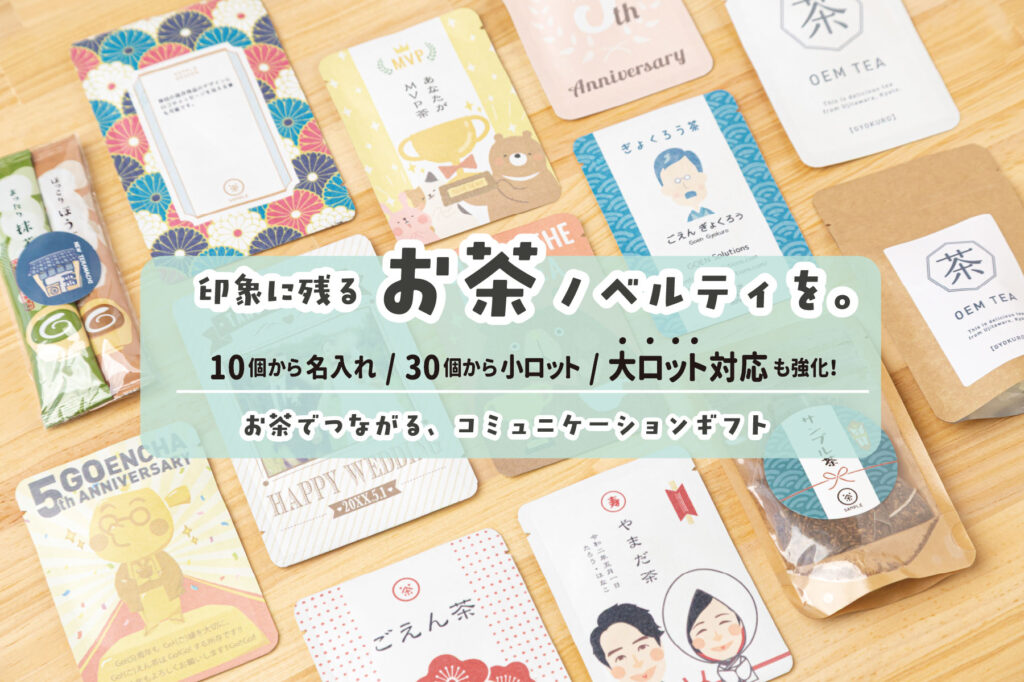
" Kyoto Gyokuro no Goencha " is a tea shop that delivers tea from Kyoto with the concept of "making tea more enjoyable." We strive to make high-quality tea more accessible and familiar to people, tailoring our offerings to meet their needs.
We cherish the idea of "tea that connects people," and we offer a wide variety of products perfect for your daily tea time, as well as gifts for special people and various promotional items. Our products, especially those with original designs and personalized engraving, are highly recommended as gifts !
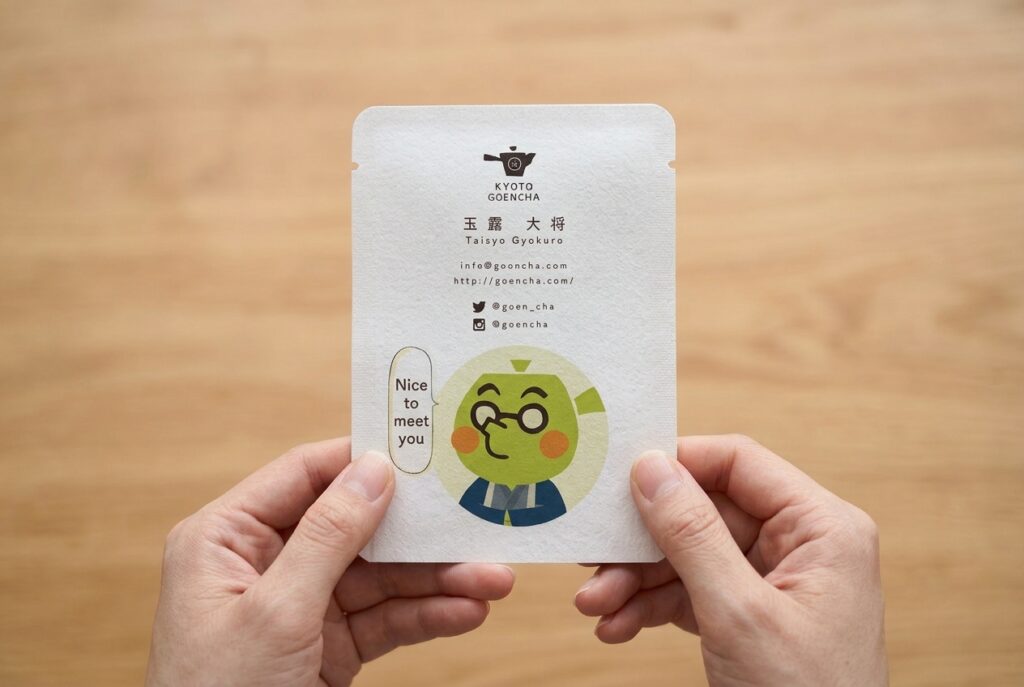
Why not convey your feelings of "Nice to meet you!" and "I look forward to working with you in the future!" by pouring them into a cup of tea?
Here are some recommended gifts that convey your message!
A special tea packed with heartfelt sentiment. A one-of-a-kind tea with an original design from Gozaisatsucha. Custom order available.
We can also handle large orders of 3000 units or more!

English translation rules for job titles and how to write them by job type

When listing your job title in English on a business card, it's important to choose an expression that clearly conveys your role overseas, rather than a direct translation. A direct translation of a Japanese job title may lead to misunderstandings regarding its original meaning. Choose an English expression that accurately reflects your role to ensure it's understood correctly.
English translation of executives and management team
When translating management positions into English, choose titles that clearly convey the role of the company's representative or director. While there are American (CEO, COO, etc.) and British (Managing Director, etc.) styles, the American style is widely used in global business settings.
| Japanese job titles | English translation example |
|---|---|
| President and Representative Director | President & CEO / Representative Director |
| Chairman of the Board | Chairman of the Board |
| Directors | Director / Member of the Board |
| Managing Director / Senior Managing Director | Executive Managing Director / Senior Managing Director |
| Executive Officer | Executive Officer |
| Auditor | Auditor / Corporate Auditor |
English translation of department head and section chief
The English title for a management position differs depending on whether it oversees an entire department or manages a section or team. It is important to choose the appropriate job title according to the organizational structure, such as "Department" or "Section."
| Japanese job titles | English translation example |
|---|---|
| minister | General Manager / Department Manager / Director |
| Deputy Manager / Assistant Manager | Deputy General Manager |
| Section Chief | Manager / Section Chief |
| Section Chief | Head of [Department Name] / Director of [Department Name] |
| Section Chief | Assistant Manager / Supervisor |
English translations of supervisors and general employees
For staff members responsible for practical work, it is common practice to include an English description that clearly indicates their responsibilities and job title. Even without a specific title, adding a professional description that indicates their area of expertise makes it easier for others to understand their work.
| Japanese job titles and roles | English translation example |
|---|---|
| director | Senior Staff / Chief / Lead |
| General employee | Staff / Associate / Member |
| Sales Representative | Sales Representative |
| Technical position / Engineer | Engineer / Software Engineer |
| Professional / Analyst | Specialist / Analyst |
Points to note when combining with job type
In the limited space on a business card, it's common practice to separate job titles and department names with a comma or "of." For example, "Sales Department Manager" can be written as "Manager, Sales Division" for a neat and clear presentation.
English Address Writing Rules and Order
When writing an address in English, the order is reversed compared to Japanese. In Japanese, addresses are written from the prefecture to the street number, starting with the largest unit. However, in English, the basic order is from the smallest unit to the largest unit, starting with the room number or street number and ending with the country name.
Rules for translating Japanese addresses into English
When writing a Japanese address in English, the elements that make up the address are separated by commas (,) and listed in order from the smallest unit to the largest. Understanding this English-specific order will make your address easier for people from other countries to understand. Let's look at the basic order and how to write each element.
| order | Address elements | Japanese notation examples | English examples |
|---|---|---|---|
| 1 | Room number / Building name | XX Building, Room 301 | #301 ○○ Bldg. |
| 2 | Street number, house number | 1-2-3 | 1-2-3 |
| 3 | Town name | Tenshoji-mae-cho | Tensyoujimaecho |
| 4 | District, City, County | Nakagyo Ward | Nakagyo-ku |
| 5 | prefectures | Kyoto Prefecture | Kyoto |
| 6 | post code | 604-8081 | 6048081 |
| 7 | Country name | Japan | JAPAN |
For example, to translate the address "〒604-8081 Kyoto Prefecture, Kyoto City, Nakagyo Ward, Tensyoujimaecho 541-4, XX Building, Room 301" into English, you would write it as "#301 XX Bldg., 541-4 Tensyoujimaecho, Nakagyo-ku, Kyoto 604-8081, JAPAN".
Administrative divisions such as wards, cities, towns, and villages are generally represented by hyphens (-), like "Shinjuku-ku" or "Nakagyo-ku." Prefectures often omit "-to" or "-ken," and are simply written as "Tokyo" or "Kyoto."
How to write building name and room number
In English, the building name and room number are listed at the beginning of the address. There are several ways to write them, but all are widely used internationally. Choose the format that is easiest for you to use.
| subject | Japanese notation | English notation patterns |
|---|---|---|
| Room number | Room 101 | #101 / Room 101 |
| Number of floors | 5th floor | 5F / 5th Floor |
| Building name | XX Building | ○○ Bldg. / ○○ Building |
Room numbers are typically written with a "#" before the number. Adding "Room" is also a common practice. Floor numbers are usually written as "5F" or "5th Floor," and building names are typically written in Roman letters with an abbreviation such as "Bldg." added.
When combining room number, building name, and floor number, write it as "#501 ○○ Bldg." or "○○ Bldg. 5F". Writing the address in the correct order makes it easier for people from overseas to understand.
Rules and points to note regarding the English notation of phone numbers
When creating a business card in English, it's standard practice to include Japan's country code, "+81". Using the same format as international phone calls makes contact information easier to understand from overseas, leading to smoother communication.
Rules for assigning country code 81
Japan's country code is "81". In English phone numbers, it's standard practice to add a "+" sign at the beginning, such as "+81".
When adding a country code, remove the leading "0" from the area code or mobile phone number. For example, "03-1234-5678" becomes "+81-3-1234-5678". Using hyphens or spaces to separate numbers makes the number easier for people overseas to read and understand.
| Types of phone numbers | Notation used within Japan | English (International) notation |
|---|---|---|
| Landline phone (Tokyo) | 03-1234-5678 | +81-3-1234-5678 |
| Landline phone (Osaka) | 06-1234-5678 | +81-6-1234-5678 |
| mobile phone | 090-1234-5678 | +81-90-1234-5678 |
| Toll-free number | 0120-123-456 | +81-120-123-456 |
Toll-free numbers (such as 0120) are services intended for use within Japan and may not be available from overseas. If you anticipate receiving inquiries from overseas, it's a good idea to include a regular international phone number in addition to the toll-free number.
Display of mobile phone number and fax number
When listing a phone number, it's common practice to add a label before the number to indicate whether it's a main line, direct line, mobile phone, or fax number. Aim for clear labeling that makes the purpose immediately obvious to the recipient, so they don't get confused about where to contact you.
| kinds | English identification notation | Notation example |
|---|---|---|
| Representative telephone | Tel / T. | Tel: +81-3-1234-5678 |
| Direct phone | Direct / Direct Line / D. | Direct: +81-3-1234-5679 |
| mobile phone | Mobile / Cell / M. | Mobile: +81-90-1234-5678 |
| FAX | Fax / F. | Fax: +81-3-1234-5679 |
In British English, mobile phones are generally referred to as "Mobile," while in American English, they are often written as "Cell" or "Cell phone." Since space is limited on business cards, using abbreviations like "Tel," "Mobile," and "Fax" makes the information neater and easier to read.
Adding a colon (:) after the label, followed by a space, and then the phone number will give it a neater appearance.
Rules for displaying email addresses and websites
When including email addresses and website URLs on business cards, it's important to make them easy to read so that recipients can easily input them. For business cards with English names, be sure to follow common formatting rules and pay attention to common mistakes. Proper formatting will lead to smoother communication.
How to write an email address
Email addresses should generally be written in all lowercase. It's also common to add a label such as "Email" to make it immediately clear that it's a contact number. On business cards, it's important to format the email address in a way that is easy for the recipient to read and type.
| Label representation | Notation example | Features |
|---|---|---|
| Email / E-mail | Email: taisyo.gyokuro@example.com | This is the most standard notation, recognized worldwide. Whether or not to include a hyphen is acceptable. |
| AND | E: taisyo.gyokuro@example.com | This is used when space on the page is limited or when a simple design is desired. |
| Mail: taisyo.gyokuro@example.com | While it is acceptable to use "Mail," it is safer to use "Email" as "Mail" can sometimes refer to postal mail in English-speaking countries. |
Website URL formatting rules
Website URLs should be written with both visual balance and ease of input in mind. Even with long URLs, it's important to avoid omitting unnecessary characters and to ensure they can be entered accurately. On business cards, adding labels such as "Website" or "URL" makes it easier for the recipient to understand.
Omission of "https://" and "www."
It's common practice to omit communication protocol prefixes like "https://" or "http://" when listing URLs on business cards. Reducing the number of characters makes the business card look neater and easier to read.
Also, if the website can be accessed without "www.", it's perfectly acceptable to include only the domain name. Because space is limited, it's important to format the information in a way that is easy for others to read and remember.
| Record form | Notation example | Usage patterns |
|---|---|---|
| Full notation | https://www.example.co.jp | Use this when accuracy is the top priority. |
| Standard notation | www.example.co.jp | This is the most common format. It intuitively conveys that it is a website address. |
| Abbreviated notation | example.co.jp | This is suitable when you want to create a clean design or when you want to provide direct access in an abbreviated form. |
How to write on social media and business tools
In addition to email addresses and websites, it's becoming increasingly common to include business-related social media accounts and communication tool information on business cards. To expand your online connections, select and include only the necessary information so that it's easily understood by the recipient.
How to write LinkedIn and other account information
When doing business with overseas companies, it is effective to include information about LinkedIn, a business-oriented social networking service. You can either include the URL or place your account ID and name next to the service's logo icon.
- LinkedIn:linkedin.com/in/taisyogyokuro
- X (former Twitter): @taisyo_gyokuro
Too much text information can give a cluttered impression, so it's important to limit and include only the essential contact information.
summary
Business cards written in English need to be created according to different rules than those in Japanese. By following basic formatting conventions, such as the order of names and addresses, and how to include "+81" in phone numbers, you can ensure that your information is correctly conveyed to people overseas.
Using correct English spellings can lead to increased trust and smoother communication. When creating business cards, try to make them clear and easy to understand by referring to the points mentioned in this article.