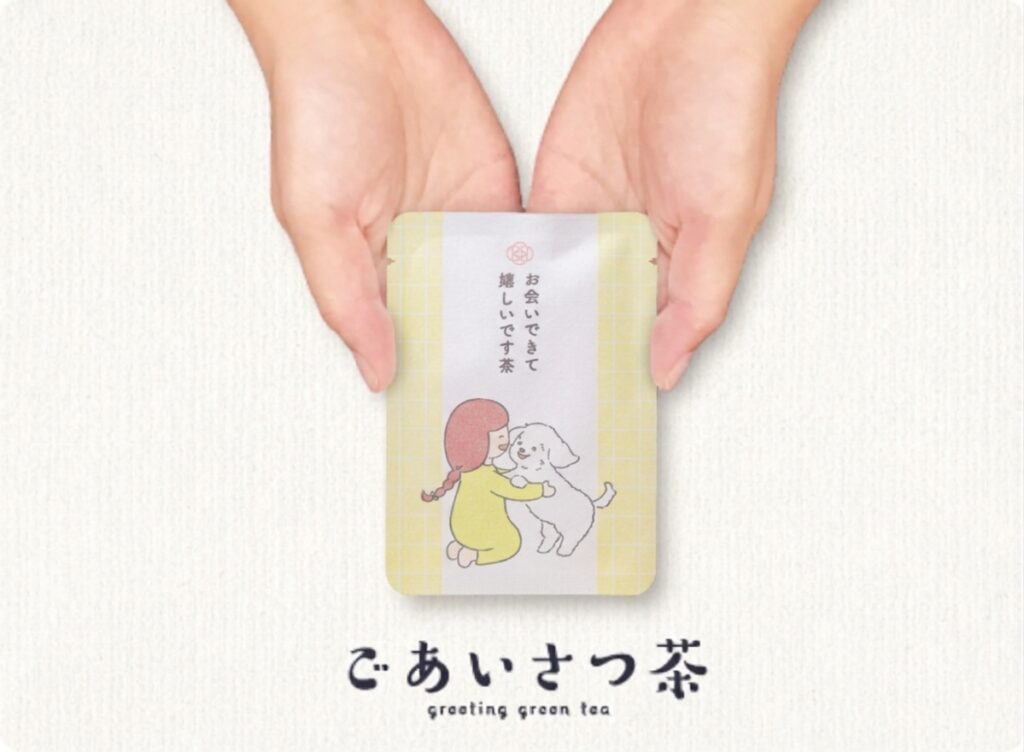
Hello! This is Goencha! This time, I'll explain how to create a "memorable business card" that will help you make a lasting impression during the short time you exchange business cards, and lead to future business opportunities! I'll share tips on design and layout, as well as how to choose the right paper and how to hand it out in a way that makes a good impression, so you can create a card that truly reflects your personality.
Customize the packaging and make them a special business card featuring tea bags!
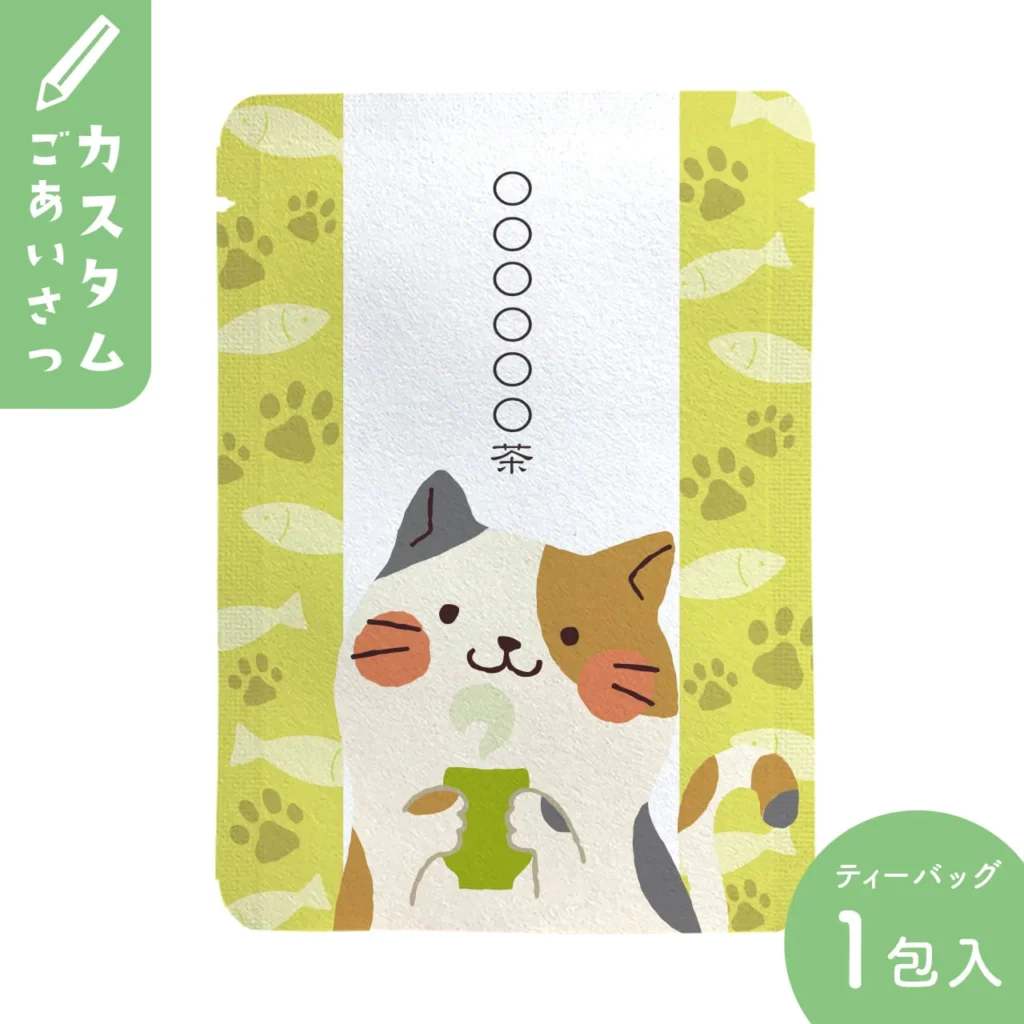
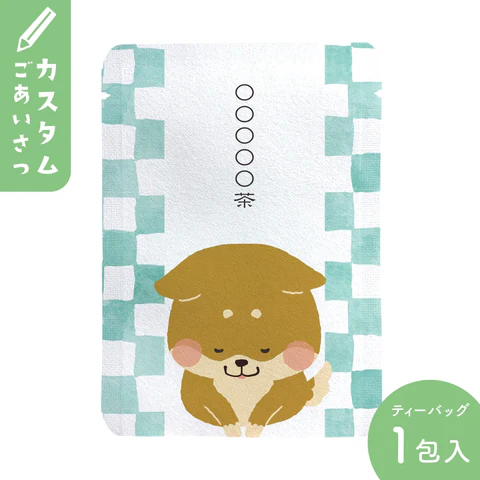
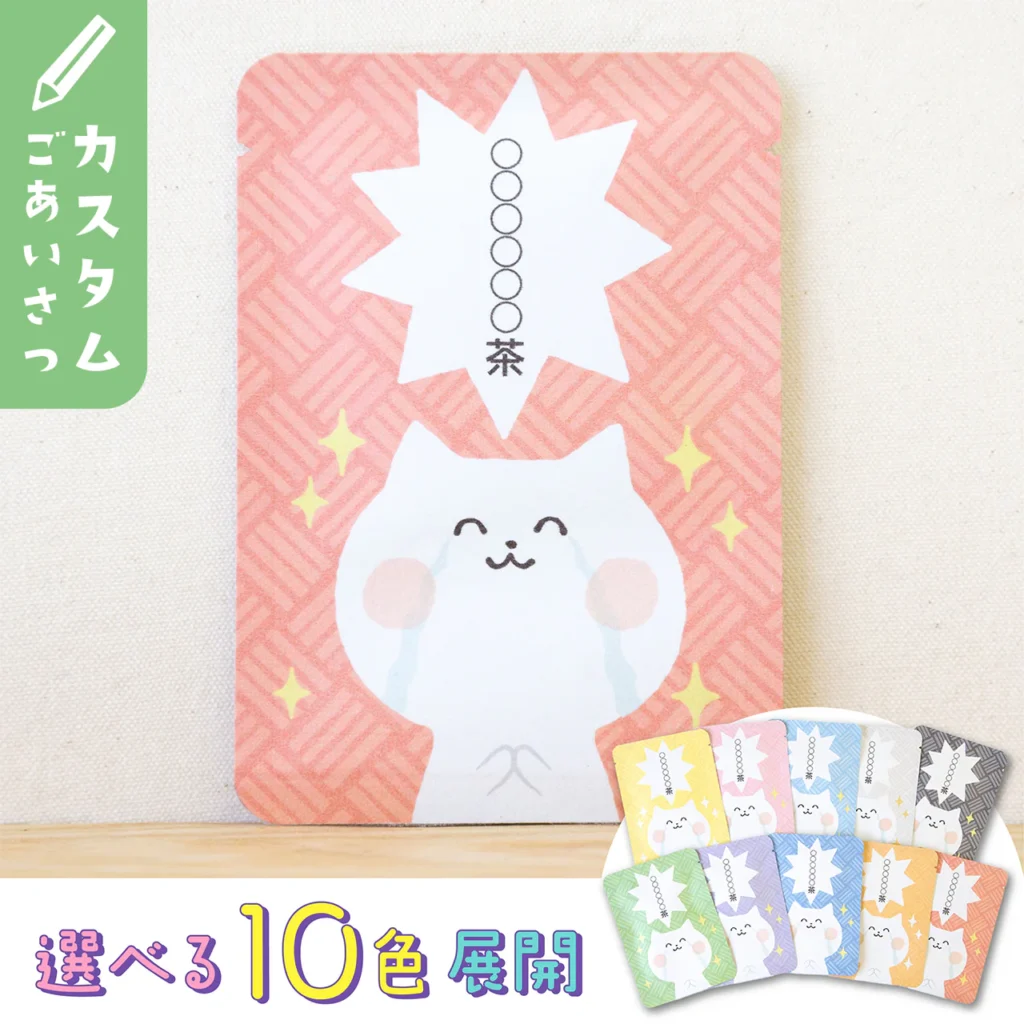
Table of Contents
Tips for creating a memorable business card
Business cards are more than just a way to share contact information. They are an important tool for connecting people, conveying your personality and passion for your work. Here are some initial points to consider when creating a business card that leaves a lasting impression on the recipient, making them think, "Maybe I should hire them for my work."
Clearly define who you want to communicate with and what you want to communicate.
First, think about "who" you'll be giving your business card to. The message you want to convey will change slightly depending on the recipient—whether it's a client you're meeting for the first time or someone you connect with at an event. Next, consider "what" you most want to communicate to that person. Your passion for your work, what your company values, your personality—choose one thing from these that you absolutely want them to know! That sentiment will become the overall concept of your business card and the key to its design and wording. Whether it's "I want them to feel comfortable" or "I want them to trust me," start creating your business card by putting the impression you want to convey into words!
Organize and prioritize the information to be included.
Even if you have many things you want to convey, cramming too much information onto a small business card can actually make a blurry impression.
First, try writing down everything you want to include, and then organize it in order of what's truly important.
It's easier to organize the information if you divide it into "things you absolutely must include" and "things that would be nice to have." By selecting the information while remembering the concept you decided on at the beginning—"who do I want to communicate with, and what do I want to communicate?"—you'll get closer to creating a business card that truly conveys your message.
| Types of information | Specific example items |
|---|---|
| Information that absolutely must be included (Priority: High) | Name, company name/business name, job title/position, phone number, email address |
| Information that would be nice to have (Priority: Medium to Low) | Company address, website URL, social media accounts, business description, company photo or illustration, QR code |
Perfect for memorable business cards! For tea gifts, try “Kyoto Gyokuro’s Goen Tea”.
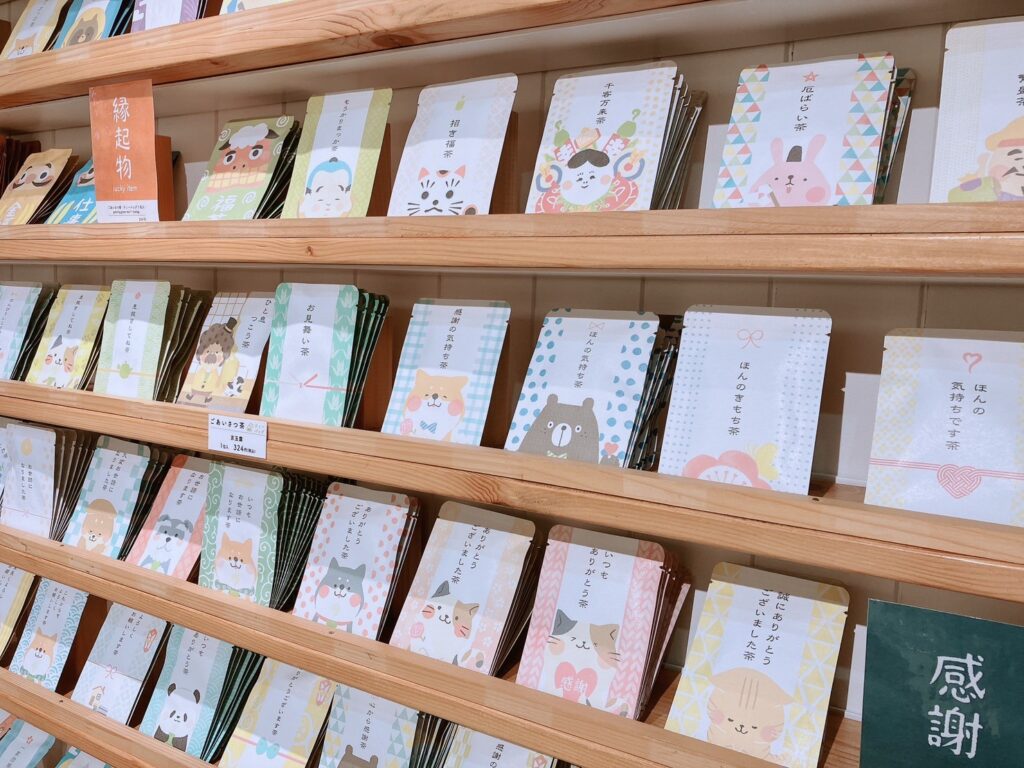
What is Kyoto Gyokuro’s Goen Tea?
" Kyoto Gyokuro no Goencha " is a tea shop that delivers tea from Kyoto with the concept of "making tea more enjoyable." We strive to make high-quality tea more accessible and familiar to people, tailoring our offerings to meet their needs.
We cherish the idea of "tea that connects people," and we offer a wide variety of products perfect for your daily tea time, as well as gifts for special people and various promotional items. Our products, especially those with original designs and personalized engraving, are highly recommended as gifts !
Why not convey your feelings of "Nice to meet you!" and "I look forward to working with you in the future!" by pouring them into a cup of tea?
Here are some recommended gifts that convey your message!
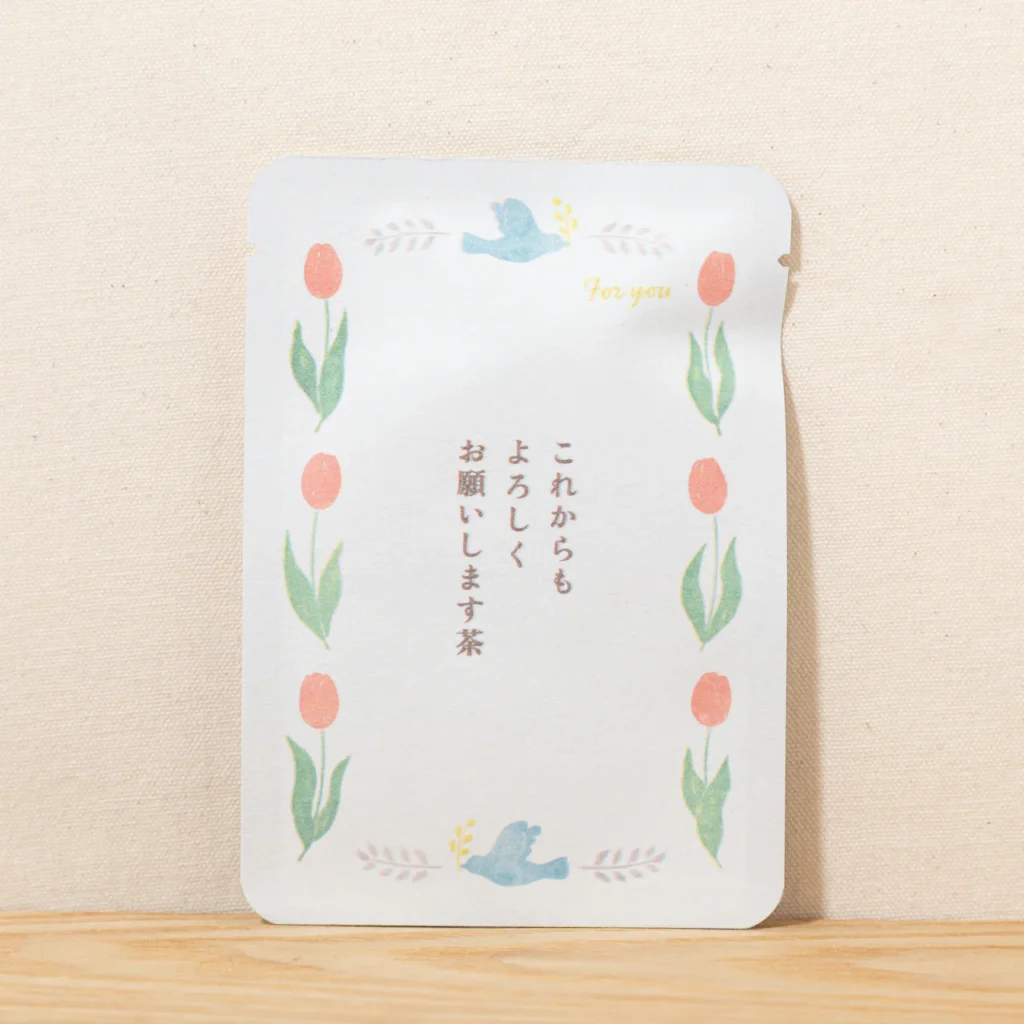
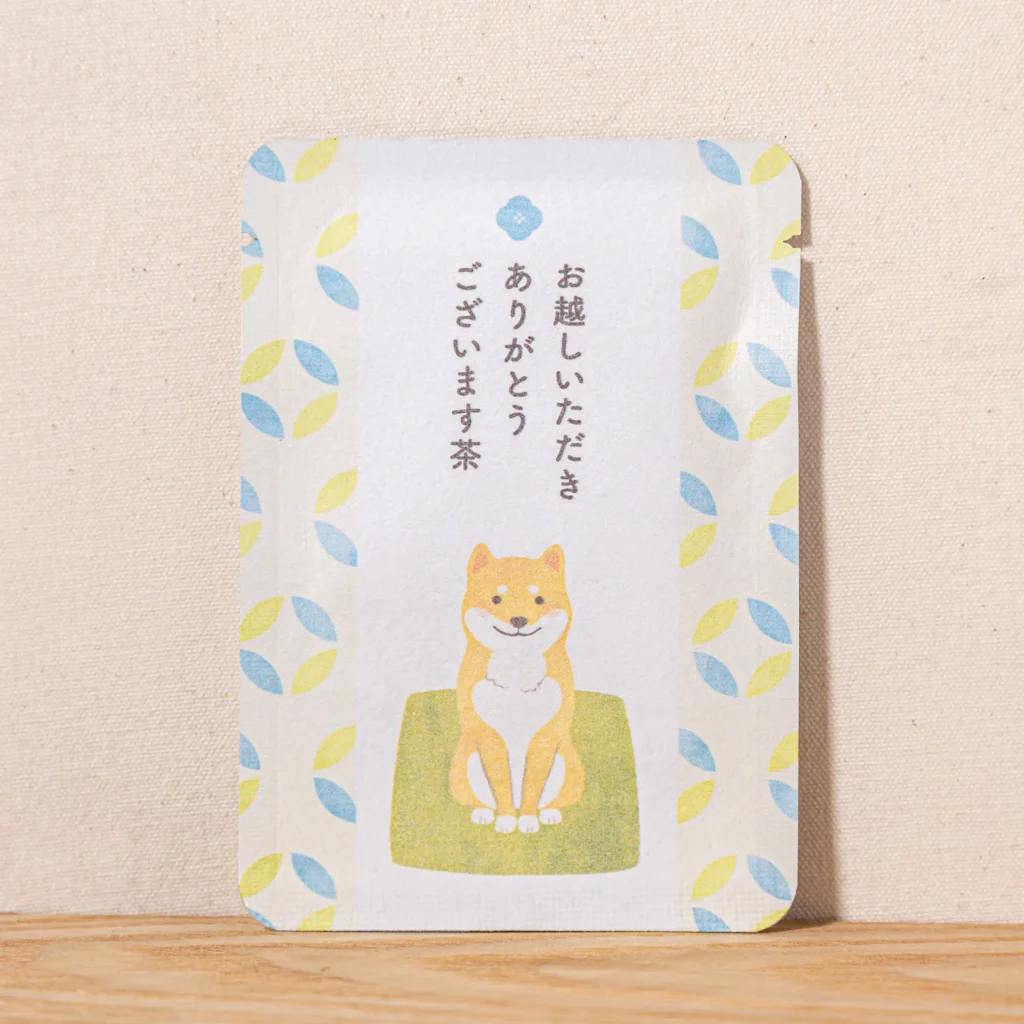
A special tea packed with heartfelt sentiment. A one-of-a-kind tea with an original design from Gozaisatsucha. Custom order available.
We can also handle large orders of 3000 units or more!

Tips for creating designs that manipulate impressions
Here, we'll share tips for creating business card designs that will capture the recipient's attention. The impression you make can change dramatically depending on the layout, colors, and font choices.
We aim for a simple and easy-to-understand layout.
While it's tempting to include a lot of information, it's crucial to first reconsider "what you want to convey most" and organize the content accordingly. Using white space effectively creates a clean impression, naturally highlighting the information you want to deliver. Furthermore, it's said that people's eyes move in a "Z" shape, from the upper left to the lower right.
Arranging your name, company name, and contact information in accordance with this flow makes it easier for the recipient to understand.
Express your individuality through the typeface (font) you use.
The typeface (font) is a crucial element that greatly influences the impression your business card makes. Choose a font that matches the overall feel and the impression you want to convey. However, don't prioritize individuality to the point of making it difficult to read. Remember to keep a balance between readability and individuality. Also, using too many fonts can easily lead to a disorganized impression, so limiting yourself to two or three types will create a clean and organized look.
| Font types | impression | Suitable occupations and industries |
|---|---|---|
| Ming Dynasty style | Trustworthy, sincere, refined, traditional | Lawyers, tax accountants and other professionals, medical professionals, consultants |
| Gothic font | Approachable, stable, powerful, modern | IT-related companies, manufacturers, startups, and a wide range of other industries. |
| Regular script | Japanese style, meticulous, and dignified. | Inns, Japanese restaurants, calligraphers, jobs related to traditional Japanese culture |
| Handwritten font | Warmth, creativity, individuality | Designers, artists, cafes, general stores |
How to utilize corporate colors and brand colors
Color is a crucial element that conveys more than words. By incorporating corporate colors used in your company logo or image colors associated with your work, you can naturally express your and your company's identity. For example, blue is often associated with "trust and sincerity," green with "security and nature," and red with "passion and vitality." Simply using a background other than white can make your business card stand out and more memorable. However, using too many colors can make the overall design difficult to coordinate, so sticking to around three colors—a base color, a main color, and an accent color—will result in a well-balanced design.
Include a memorable tagline.
A catchphrase is a short phrase that expresses your strengths and the value you can offer, something that can't be conveyed by your title alone, such as "Consultant specializing in XX." Not only is it easier for others to remember you, but it can also be a conversation starter when exchanging business cards. Try adding a memorable phrase that lets people know at a glance "what you do for us."
Stand out from the crowd! Business card materials and processing techniques.
Beyond just the design, paying attention to the materials and finish of your business cards can create a memorable card that leaves a lasting impression from the moment it's handed out. Here, we'll explain techniques for materials and finishes that will set your business cards apart.
The type of paper used creates different textures and tactile sensations.
The impression you give to others can change dramatically depending on the texture of the paper used for your business card. Choose the paper that best reflects the image you want to project.
Warm and inviting business cards made with Japanese washi paper
Washi paper, with its unique texture and feel, conveys warmth and a traditional impression. Its woven fibers give it a luxurious appearance, making it perfect for professionals, those involved in Japanese cuisine or traditional crafts, or anyone who wants to convey a calm and refined atmosphere. Even with a simple design, the texture of the washi paper itself enhances its individuality.
Using recycled paper to demonstrate environmental responsibility
Business cards made from recycled paper subtly convey your commitment to environmental issues and a sustainable approach. Many have a simple, natural texture, making them ideal for shops selling organic products, organizations engaged in social contribution activities, and creators who value a natural aesthetic. From the small act of choosing paper, you can express your company's values.
Other common types of paper used for business cards include the following:
| Types of paper | Characteristics and the impression they give |
|---|---|
| Matte coated paper | It has a smooth, matte finish. The text is easy to read, giving a calm and elegant impression. |
| Coated paper | The glossy surface allows for vibrant color reproduction of photographs and illustrations, creating a lively and striking impression. |
| Kent paper | It has a slightly rough texture, similar to drawing paper, and offers excellent writing properties. It's suitable for situations where you want to convey an intelligent and sincere impression. |
Special processing creates an impact
Special processing, which adds an extra step to the printing process, brings visual impact and a unique texture to business cards. Using it to highlight key areas allows you to more effectively express your individuality.
Foil stamping adds a touch of luxury.
This process involves heat-pressing gold, silver, or other foils onto the surface. Foil stamping logos and names adds a sparkling accent, creating a sense of luxury and exclusivity. It conveys the feeling that the item is special and makes it more memorable for the recipient.
The rounded corners give it a softer look.
Rounding the corners of business cards makes them feel gentler to the touch. The rounded corners create a friendly and soft impression, fostering a sense of reassurance. This is ideal for professions where a gentle atmosphere is desired, such as beauty-related services, counseling, and services for children.
In addition, the following options are available for processing that adds depth and individuality to a design.
| Types of processing | Characteristics and the impression they give |
|---|---|
| Embossing and debossing | This process involves applying pressure to paper to make letters or logos stand out (embossing) or become indented (debossing). The result is a three-dimensional and impressive finish that allows you to enjoy the design through touch as well. |
| Letterpress printing | This is a traditional method of printing using a relief plate while applying pressure. It creates a unique ink bleeding and texture, giving each sheet a distinctive and appealing look. |
How to exchange and use business cards to generate business opportunities
This section explains the basics of how to exchange business cards and how to utilize them afterward to ensure they lead to future business opportunities. From etiquette for making a good first impression to methods for managing received business cards to turn them into business opportunities, everything is immediately applicable.
Basic business card exchange etiquette for making a good impression
Exchanging business cards is the first form of self-introduction in business. By being mindful of polite and respectful manners, you can instill a sense of security and trust in the other person. Remember the basic flow and key points, and approach the exchange with confidence.
| scene | Actions and Points |
|---|---|
| Prepare | Keep your business cards readily accessible in a business card holder, perhaps in an inner pocket. Avoid handing out dirty or folded business cards. |
| When handing it over | Always stand up and move to face the other person directly, not across the table. Clearly state your company name and your own name, and offer your hand with both hands so that the other person can read it. |
| When receiving | Say "Thank you" and receive it politely with both hands. If exchanging cards at the same time, hand over your business card with your right hand and receive the other person's business card with your left hand. Be careful not to cover the other person's company name or logo with your fingers. |
| After receiving | Don't put it away immediately; leave it on the table during the meeting. If there are multiple people, arranging them in the order of their seats will make it easier to match faces to names. |
How to manage business cards you receive
Business cards you receive are valuable information assets. There are analog and digital management methods, each with its own advantages. Organize them using the method that suits you best, and keep them readily accessible.
Analog management
This method involves storing business cards as paper cards using a business card holder or box. It's easy to start and doesn't cost much. Writing down the date of exchange and the person's characteristics directly on the card makes it easier to recall them later. It's recommended to create your own rules for classification, such as alphabetical order or by industry.
Digital management
This method involves digitizing business cards using smartphone apps or dedicated scanners for management. Information can be searched anytime, anywhere, and easily shared within a team. The ability to send thank-you emails and seamlessly integrate with customer information makes it highly effective for sales activities and marketing.
A little ingenuity after the exchange will help you move forward.
Exchanging business cards is the beginning of building relationships. Adding a little extra effort after the exchange will help you leave a lasting impression and lead to future business opportunities.
Send a thank-you message.
Express your gratitude via email or other means while the memory is still fresh. Ideally, send it the same day, or at the latest, the next day. Mentioning what you discussed during the business card exchange will leave a more thoughtful impression.
Write down the information.
Make sure to jot down the date, location, conversation, and the other person's hobbies and characteristics on the margin of the business card or in a management tool. This extra step will make future communication smoother and help you build a closer relationship with the other person.
summary
Have you found any tips for creating a memorable business card that truly reflects your personality? With a little ingenuity in design, materials, and word choice, you can transform it into a powerful card that truly communicates who you are. It can leave a lasting impression on the recipient and even create opportunities for future business. Imagine the faces of those who will receive it, and try creating a business card that will spark wonderful new connections.