Hello! This is Goencha! Have you ever wondered whether it's okay to clap your hands like you would at a shrine when visiting a temple? Actually, clapping isn't the norm when visiting a temple. Since the way of showing respect to gods and Buddhas differs, the basic etiquette at temples is to quietly place your hands together in "gassho." This article will explain why clapping isn't practiced, how to purify yourself at the chozuya (water purification fountain), and the correct procedure for praying at the main hall. We'll also introduce etiquette for dress and receiving a temple seal, so please use this information to prepare for a heartfelt visit.
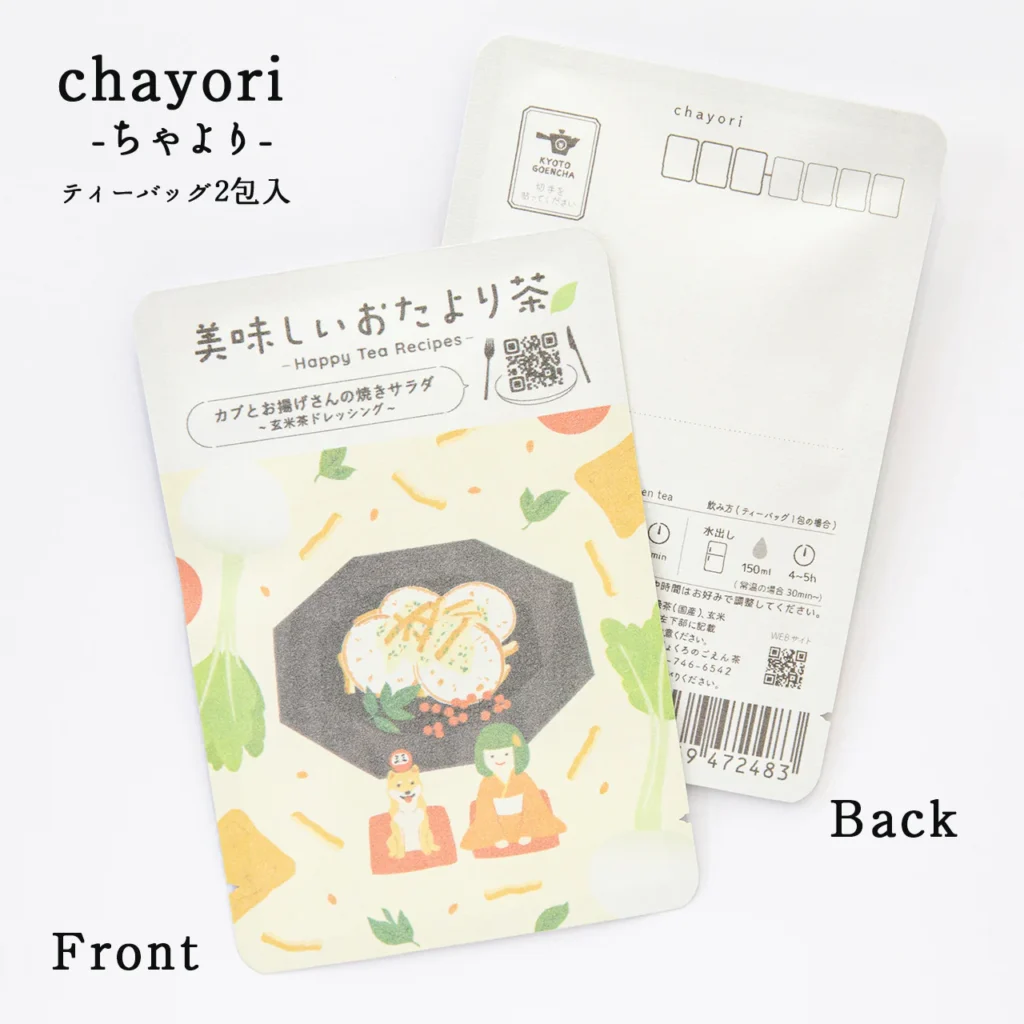
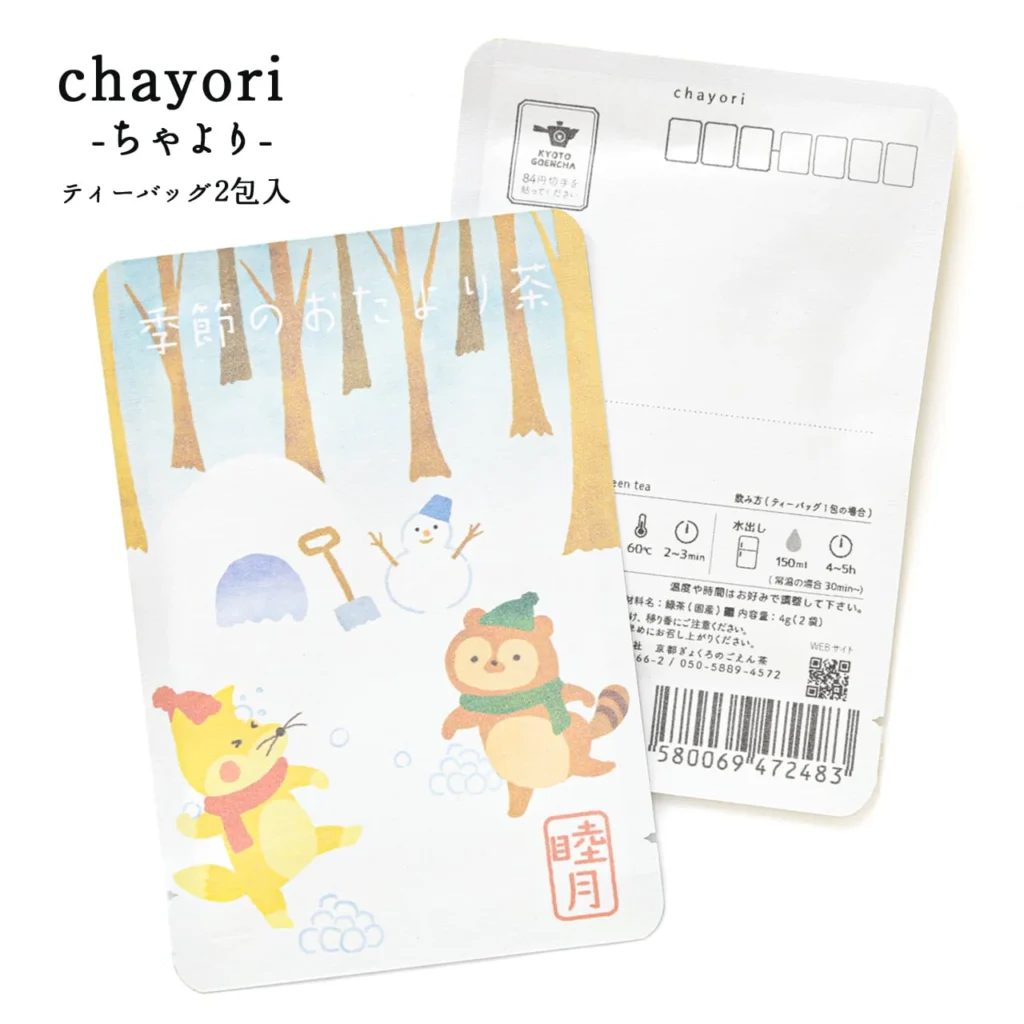
Why not try this tea for the five offerings to Buddha and your ancestors?
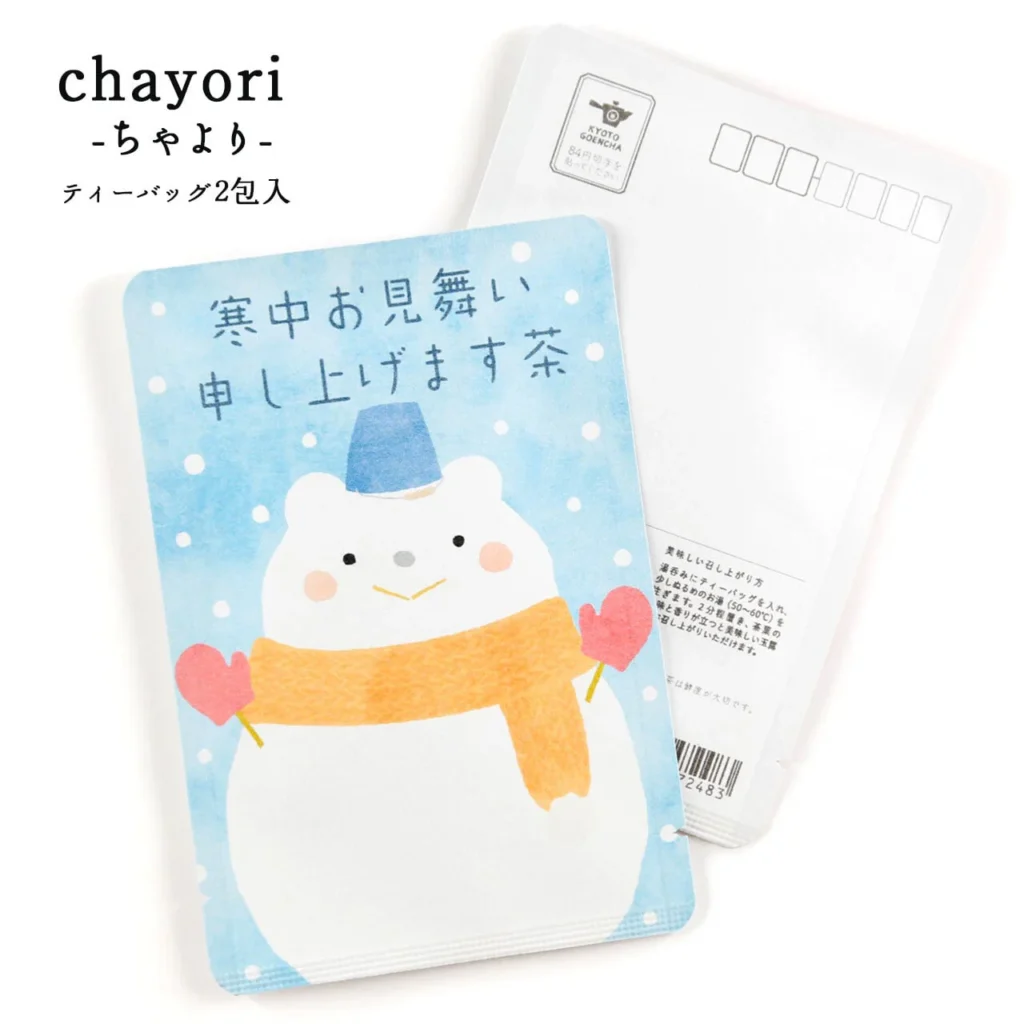
We recommend our seasonal greeting tea, which can be sent as is!

目次
Is it okay to clap when visiting a temple?
When praying at a temple, many people may have wondered, "Is it okay to clap my hands like I do at a shrine?" To answer the question first, clapping is generally not done at temples. At temples, quietly and gently joining your hands together, known as "gassho," is an important etiquette that shows respect for Buddha. So why don't we clap? Here, we would like to explain the reasons for this and the differences between shrines and temples in an easy-to-understand manner.
The fundamental differences between shrine and temple worship etiquette
Shrines and temples worship different beings, so the etiquette for worshipping there is also a difference. Shrines are Shinto places where various Japanese gods are enshrined. On the other hand, temples are Buddhist places where Buddha (principal deity) is enshrined. This difference also leads to differences in the way of worshipping there.
Clapping at shrines is said to convey gratitude and joy to the gods, and to ward off evil spirits. On the other hand, temples are also places where you can come into contact with the teachings of Buddha and face yourself. That is why it is important to quietly join your hands together, express gratitude to Buddha, and ask for his guidance.
| project | shrine | temple |
|---|---|---|
| Object of faith | God | Buddha (principal image) |
| Main worship etiquette | Two bows, two claps, one bow | Hands together in a gesture of respect |
| The meaning of etiquette | Giving thanks to God, feeling joy, and warding off evil spirits | Deep faith, gratitude and respect for Buddha |
However, in some sects, such as Shingon Buddhism, clapping of hands (palms together) is performed during the ceremony, but this is a special etiquette that differs from general worship etiquette.
The importance of joining your hands together as a sign of respect for Buddha
The basis of worship at a temple is "gassho." Gassho is a form of bowing that was introduced from India, the birthplace of Buddhism, and expresses respect for Buddha and others. It is said that placing both hands tightly together in front of your chest signifies oneness with Buddha. The right hand represents the world of Buddha, and the left hand represents ourselves (all living beings). By placing the two together, we receive the Buddha's wisdom and offer prayer with a calm heart. Rather than making a sound like clapping, placing your hands together quietly and wholeheartedly is the proper way to convey your feelings at a temple.
Perfect for a mid-winter greeting! The perfect tea gift is “Kyoto Gyokuro’s Goen Tea”
What is Kyoto Gyokuro’s Goen Tea?
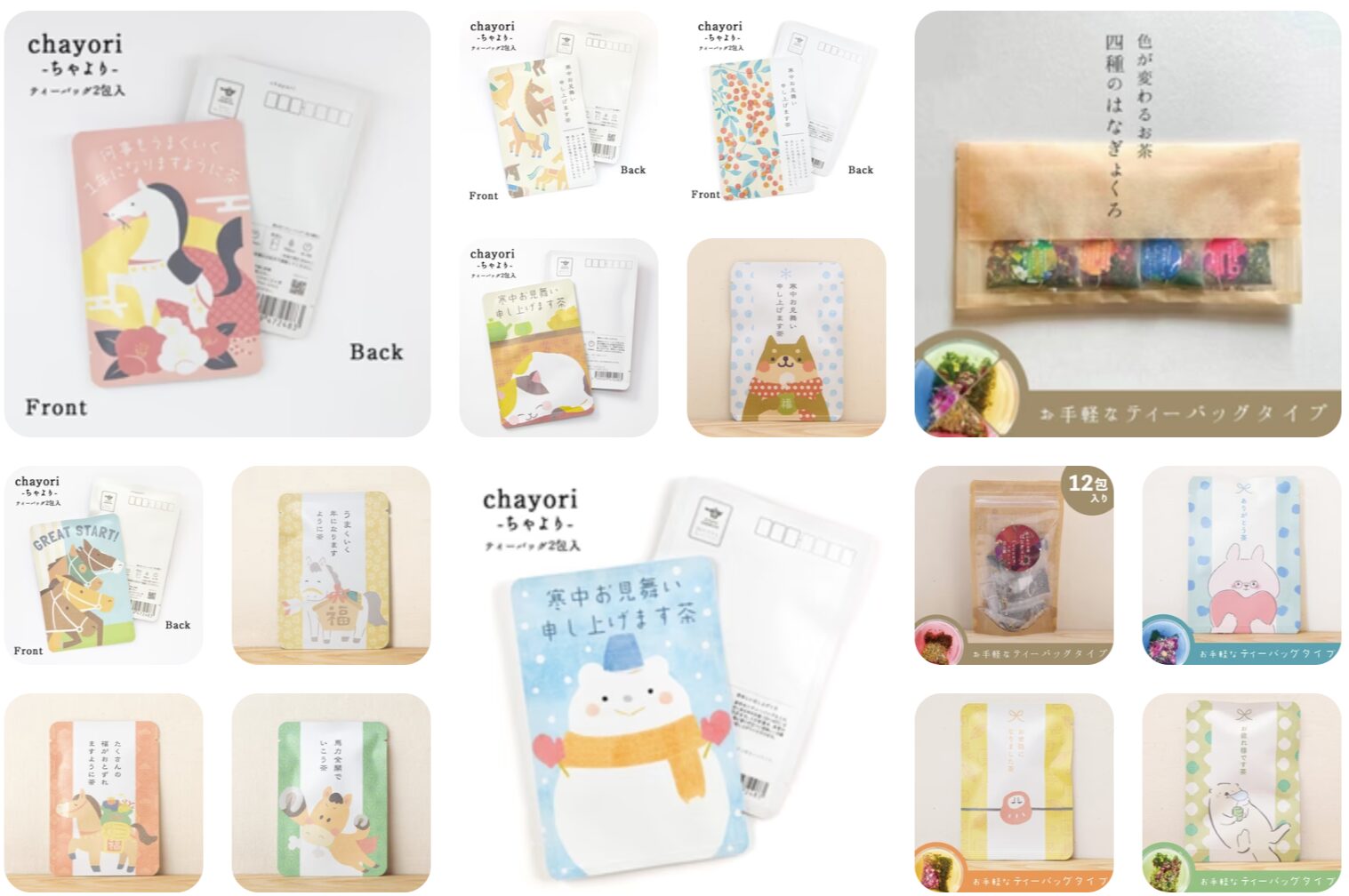
Kyoto Gyokuro's Goen Tea is a tea shop that delivers tea from Kyoto with the concept of "making tea more enjoyable." We aim to make high-quality tea more accessible to everyone, with content tailored to their needs.
We value the idea of "tea connecting people," and we offer a wide range of products that are perfect for everyday tea time, as well as gifts for special people and various novelties. We especially recommend our products that can be personalized with original designs or names !
Why not express your feelings of "May your wish come true" or "
May you find a good match" through tea?
Here are some recommended gifts that convey a message!
A special tea packed with feelings. Create a one-of-a-kind tea with an original greeting tea design. Custom order
Basic manners to observe when visiting temples
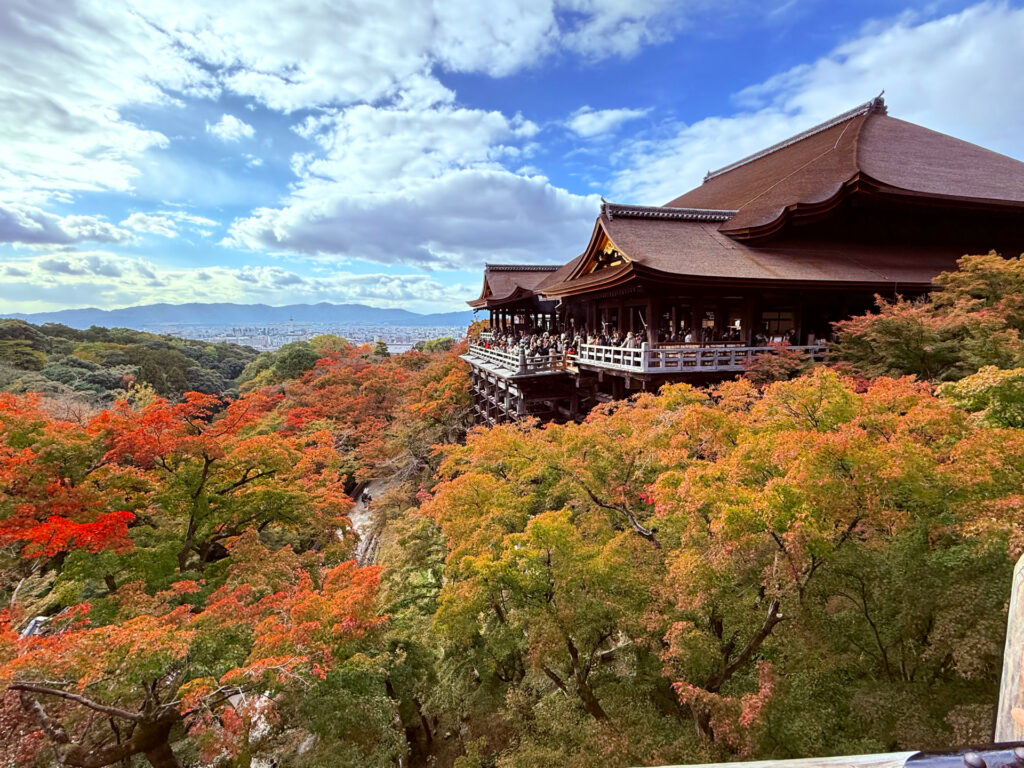
Here we will introduce the basic way to pray within the temple grounds that you should know when visiting a temple. These are important points to keep in mind so that you can pray with respect to Buddha and a calm mind.
Things to know before entering the temple grounds
The Sanmon gate at the entrance to the temple is an important boundary that separates the world we live in from the pure world of Buddha. Please calm your mind before stepping into the temple grounds.
- Before passing through the gate
, stop and quietly join your hands and bow once facing the main hall. If you are wearing a hat, it is considered good manners to remove it here. - Step over the threshold of the temple gate without stepping on it.
The threshold is considered an important place, just like your face or head. Step over it without stepping on it. - How to walk along the approach to the shrineThe
center of the approach to the shrine is said to be the path where the Buddha walks. Avoid the center and try to walk on either the left or right side. - When leaving the temple grounds
, or when you have finished praying and are leaving through the temple gate, you should turn around and face the main hall, bow, and then leave the temple grounds.
How to purify yourself at the Chozuya (purification fountain)
Once you pass through the temple gate, you will often find a "chozuya" (also known as "temizuya"), a place where you can wash your hands and mouth and purify your mind and body before praying. It is considered good manners to use the first cup of water you draw to perform all of your movements.
| procedure | practice |
|---|---|
| 1 | Bow slightly in front of the temizuya. |
| 2 | Hold the ladle in your right hand, scoop up some water, and rinse your left hand. |
| 3 | Switch the ladle to your left hand and rinse your right hand. |
| 4 | Once again, hold the ladle in your right hand, pour some water into the palm of your left hand, and use that water to rinse your mouth. Be careful not to touch the ladle directly to your mouth. |
| 5 | After rinsing your mouth, rinse your left hand again with water. |
| 6 | Finally, hold the ladle upright and rinse the handle with the remaining water, then gently return it to its original place. |
Proper worship procedure at the main hall
Once you have purified yourself, you can finally head to the main hall where the principal image of worship is enshrined. If the temple allows ringing the bell in the bell tower, you should do so before praying. Ringing the "return bell" after praying is considered bad luck, so be careful. Also, if there is an incense burner, you can purify yourself by bathing in the smoke from the incense before proceeding to the main hall.
| procedure | practice |
|---|---|
| 1 | When you arrive in front of the main hall, quietly put in your offering. Offerings are a way of expressing gratitude to the Buddha, and should be placed quietly without being thrown. |
| 2 | If you have something to make a sound, such as a bell, ring it quietly. |
| 3 | Quietly place your hands together in prayer. Unlike at a shrine, do not clap your hands. |
| 4 | With your hands together in prayer, bow deeply and silently express your gratitude and wishes in your heart. |
| 5 | Once you have finished praying, bow deeply once more and then quietly leave the area. |
Depending on the sect, there may be slight differences in the details of etiquette, such as chanting prayers. If there are signs or explanations within the temple grounds, follow them when praying.
Frequently asked questions and points to note when visiting temples
Visiting a temple is an important time to calm your mind and face the Buddha. Here we will explain some common questions you may have when visiting a temple, as well as some important points to keep in mind.
Photography etiquette
We understand the desire to capture beautiful buildings and Buddhist statues in photographs, but temples are places of worship, so please be respectful and observe proper etiquette when taking photos.
The most important thing is to pay your respects at the main hall before starting to take photos. It is good etiquette to greet the Buddha first.
Be sure to check for any "no photography" signs within the temple grounds. In particular, photography inside the main hall or of the Buddha statues themselves is often prohibited. Also, refrain from taking photos during prayers or memorial services.
Even in places where photography is permitted, it is important to be careful not to include other worshippers in the photo. Please note that the use of tripods is often prohibited due to the risk of damaging the buildings and grounds.
Attire
For regular visits to the temple, everyday clothing is fine. However, it is important to remember that you are meeting Buddha, and to dress neatly and calmly.
It is good manners to avoid excessive exposure, especially in the summer. Also, do not wear fur, fur, or animal print items that are reminiscent of killing animals, as these are contrary to Buddhist teachings. Don't forget to remove your hat before entering the temple grounds.
If you are attending a prayer service or special memorial service, you may be asked to wear slightly more formal attire, such as a suit or dress.
| Recommended clothing | Clothing that should be avoided |
|---|---|
| Casual clothes in muted colors (T-shirts, blouses, chinos, etc.) | Revealing clothing (tank tops, shorts, etc.) |
| Comfortable shoes | Distressed jeans |
| Clean clothing | Brightly colored or patterned clothes |
| (For special visits) Suits or formal dresses | Fur, animal prints, and other items that evoke the idea of killing |
How to prepare for receiving a goshuin
A goshuin is a record of your connection with Buddha and is given as proof that you have visited a temple. It has a different meaning from a commemorative stamp, so when you receive one, it is important to show your gratitude.
Before receiving the goshuin
First of all, the best manners are to pray wholeheartedly at the main hall. Receiving a goshuin without praying at the main hall alone goes against the original purpose of the temple.
Goshuin stamps are written in a special notebook called a "goshuincho." It would be considered rude to ask for one in a notebook or diary, so it's best to prepare one in advance. Goshuincho stamps can be purchased at temple offices or stationery stores.
The cost of a goshuin is generally between 300 and 500 yen. If you have coins ready so that you don't get change, you can hand it over smoothly.
When receiving a goshuin
When you arrive at the goshuin stamp office reception, open the page you want written on, say "I'd like a goshuin, please," and hand over your goshuin book.
While they are writing, please wait quietly without talking or using your smartphone. When you finally receive your goshuincho, be sure to hold it carefully with both hands and say "Thank you" properly.
summary
The most important thing when praying at a temple is to quietly join your hands in "gassho." Unlike clapping at a shrine, at a temple you join your hands silently, quietly conveying your feelings of respect and gratitude to the Buddha.
It is said that the act of joining your hands together also carries the meaning of "uniting our hearts" and "facing oneself." This is why it is most important to put your feelings into your hands rather than simply imitating the form.
By learning the meaning behind the etiquette, your usual visit to a shrine can become a little more special and heartwarming. Try to spend a calm and gentle time while being mindful of proper etiquette.