Hello! This is Goencha! The torii gates that welcome us at shrines. Have you ever wondered why they come in so many different colors and shapes, and what their meanings are? Kyoto, where Goencha's main store is located, is home to many different types of torii gates! We'll explain the basic role of torii gates, why vermilion (crimson) torii gates are the most common, and the meanings behind the colors of wooden and stone torii gates. We'll also introduce the various types of torii gates, such as the Shinmei torii gate and Myojin torii gate, and their respective characteristics. By learning about the history, regional characteristics, and wishes contained in each torii gate, you can make your shrine visit even more fulfilling.
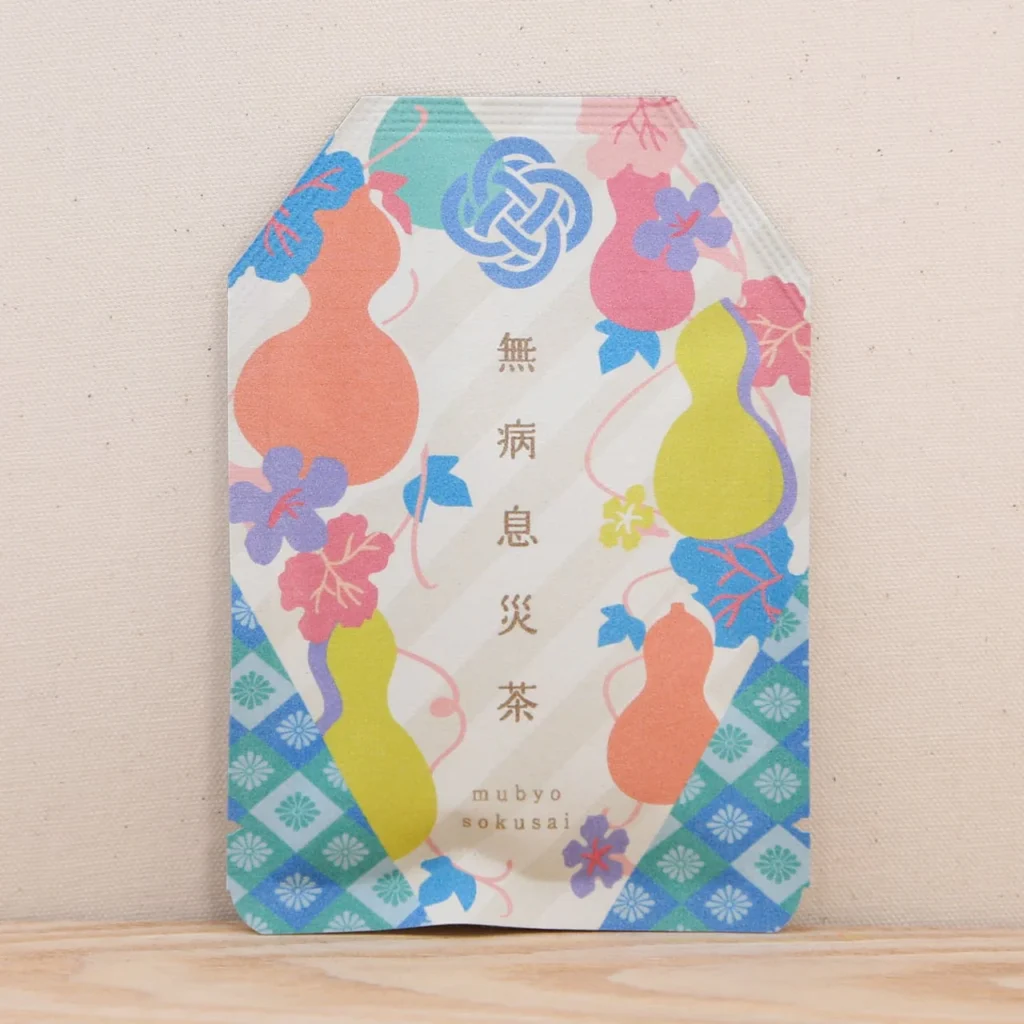
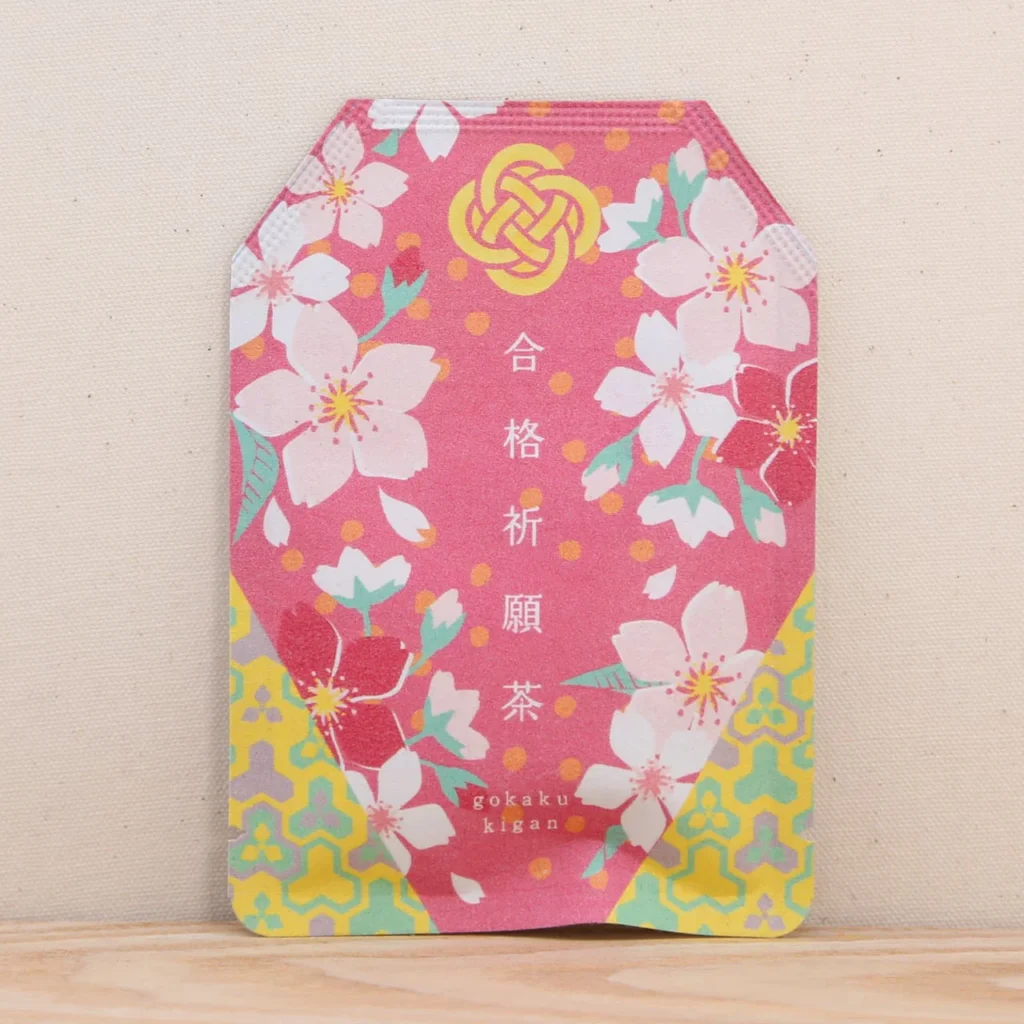
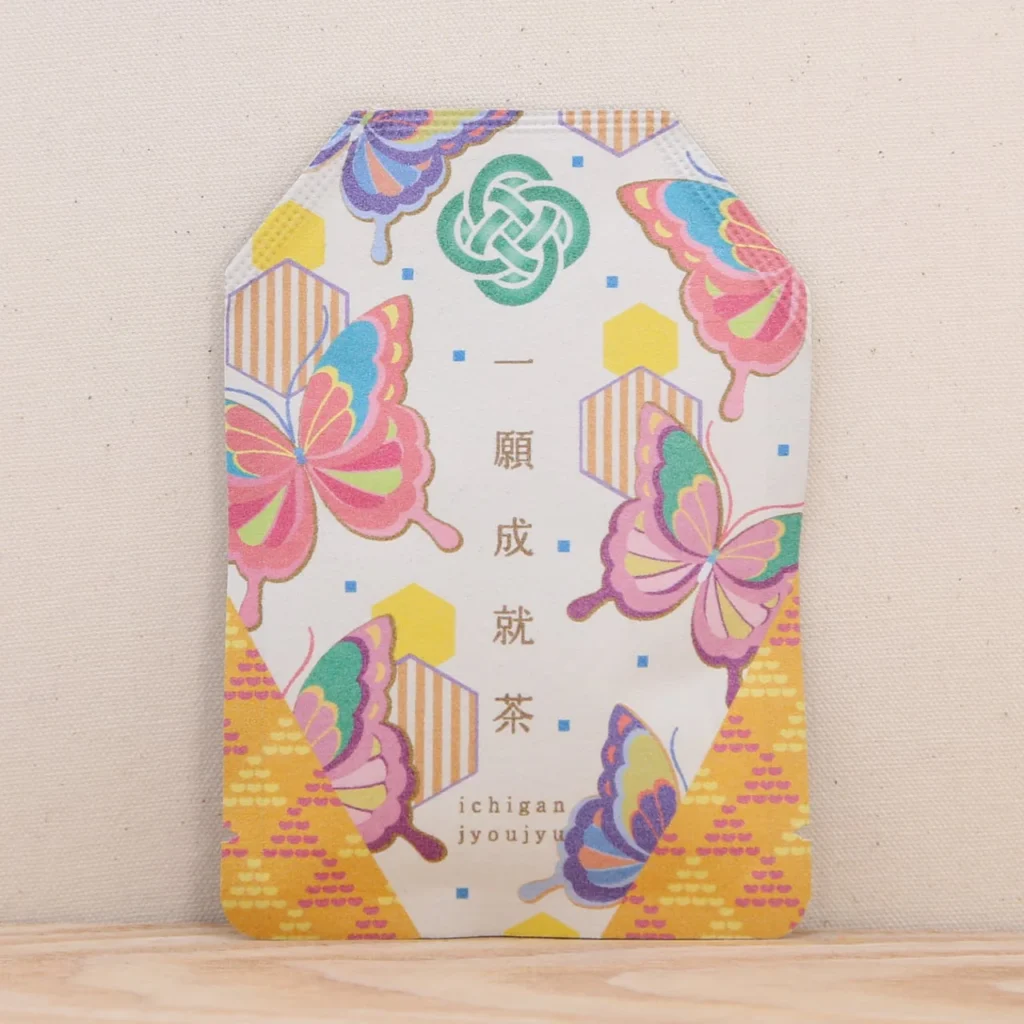
For that person you want to convey your feelings to... we recommend our amulet-shaped "Small Prayer Tea"!
目次
The Torii Gate Decorating Shrines: What is Its Basic Role?

When you visit a shrine, the first thing you see is the torii gate. The torii gate marks the boundary between the secular world we live in and the sacred realm where the gods reside, and tells us that what lies beyond is a sacred place.
When passing through a torii gate, it is customary to bow before it, then pass through either the left or right side, avoiding the center. Passing through a torii gate shows respect for the gods and is an important gesture that purifies the mind and allows one to step into the sacred grounds. Torii gates warmly welcome visitors and create the special atmosphere of a shrine.
The origin of the torii gate and its connection to Shinto
There are several theories about the origin of torii. For example, one theory is that it was brought over from the gates called "Torana" seen in Buddhist ruins in ancient India, and another theory is that in ancient Japanese beliefs, chickens were considered messengers of the gods, and the torii evolved from "torii," a place where chickens would perch.
Whatever the theory, it's certain that torii gates are deeply connected to Shinto. Torii gates are the entrance to places where gods reside, and have played the role of a "barrier" separating sacred space from the secular world. By passing through this barrier, we purify our mind and body and prepare to feel a connection with the gods. Torii gates are important symbols of Japan's rich faith in nature and gratitude to the gods.
May your wishes come true! The tea gift is “Kyoto Gyokuro’s Goen Tea”

What is Kyoto Gyokuro’s Goen Tea?
Kyoto Gyokuro's Goen Tea is a tea shop that delivers tea from Kyoto with the concept of "making tea more enjoyable." We aim to make high-quality tea more accessible to everyone, with content tailored to their needs.
We value the idea that "tea connects people," and we offer a wide range of products that are perfect for everyday tea time, as well as gifts for special people and corporate novelties. We especially recommend our products that can be personalized with original designs or names !
Why not express your feelings like "I hope I pass" or "I hope my wish comes true"
through tea?
Here are some recommended gifts that convey a message!
A special tea packed with feelings. Create a one-of-a-kind tea with an original greeting tea design. Custom order
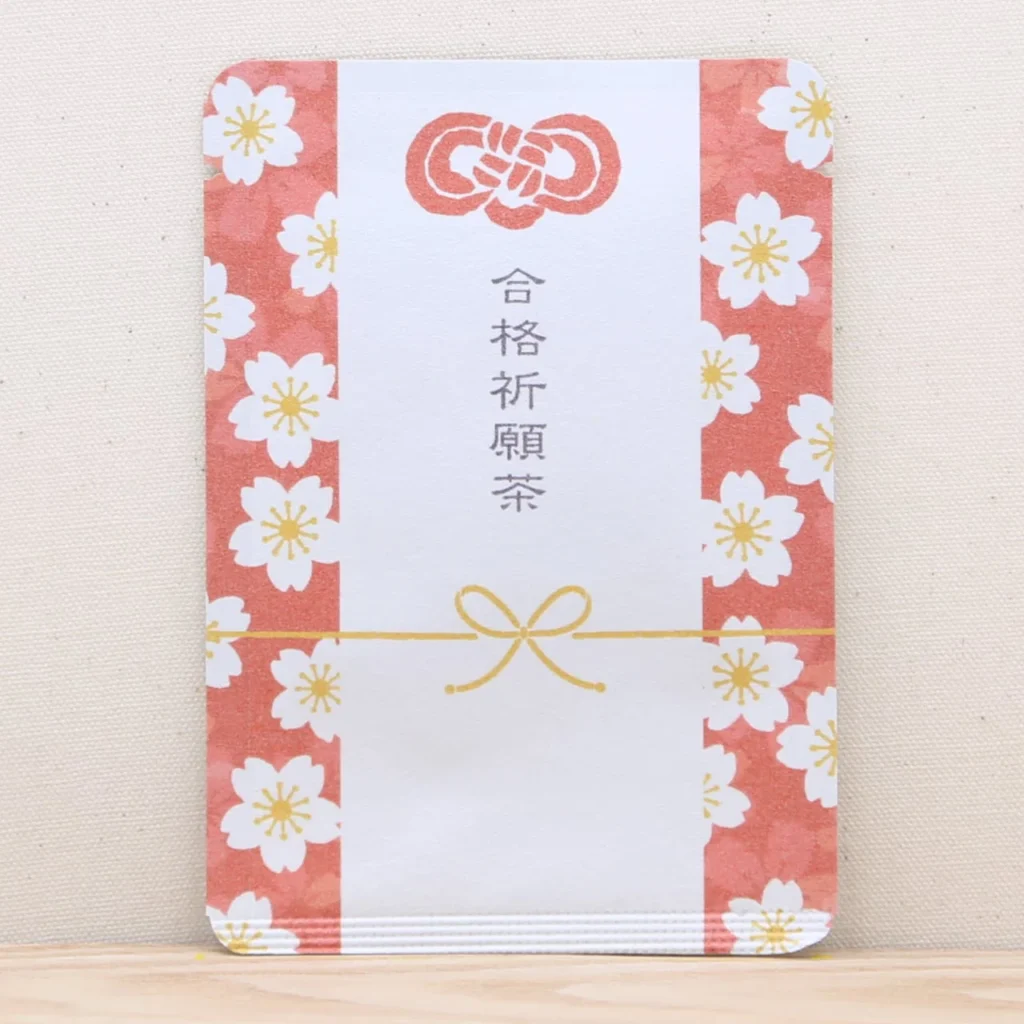
You can send tea with various wishes, such as prayers for good luck, victory, and success! For that person who is working hard to pass an exam or obtain a qualification! Send them encouragement with tea!
Things you should know about the structure and materials of torii gates
The torii gates that stand at the entrance to shrines are important because they separate the sacred and secular worlds, and each one has its own meaning. Here, we'll take a look at what parts a torii gate is made of and what materials it's made of! Learning about the thoughts that go into the finer details of a torii gate may make the shrine you visit feel even more special.
The names and functions of the parts that make up the torii gate
Torii gates are made up of several components. Each component has a name and plays an important role in supporting the beauty and stability of the entire torii gate. By learning about the main components, you can get a sense of the depth of torii gates.
| name | Roles and Features |
|---|---|
| Kasagi (copper rod) | This is the crossbeam at the top of the torii gate, and it often has a gentle curve. It is an important part that determines the overall impression of the torii gate. |
| Shimagi | This is another horizontal beam located below the kasagi. It is placed parallel to the kasagi, giving the torii a sense of stability. |
| Nuki | This is a horizontal beam that runs horizontally through the two pillars. It serves to firmly secure the structure of the torii gate and increase its strength. |
| Pillar | These are the two vertical members that support the torii gate. They symbolize the entrance to the sacred area. |
| Gakuzuka | This is a short pillar erected between the nuki and shimagi (or kasagi). It is here that a "shingaku" (a sacred plaque) bearing the name of the shrine is often hung. |
| Wedge | This is a small part that is hammered into the part where the nuki penetrates the pillar. Its role is to secure the nuki so that it does not come out. |
| Base stone | This stone base supports the base of the pillar, preventing it from coming into direct contact with the ground and protecting it from corrosion and deterioration. |
Wooden, stone, metal torii gate materials and their characteristics
The material that a torii gate is made of is closely related to its appearance, durability, and the message that the shrine wants to convey. The main materials are wood, stone, and metal, each with its own unique characteristics and appeal.
Wooden torii gate
Wooden torii gates, which have been seen at many shrines since ancient times, have a natural warmth and soft texture. Often made from cypress or cedar, they blend into the surrounding natural landscape and give a sense of the shrine's history. They are easy to work with and can be decorated with intricate designs, but because they deteriorate when exposed to wind and rain, regular repainting and repairs are important.
Stone torii gate
Stone torii gates are characterized by their weight and excellent durability. Made from granite or marl, they maintain their appearance for hundreds of years. They are resistant to wind, rain, and earthquakes, and require little maintenance, so they are often seen in historic shrines and places with many worshippers. The calm color unique to stone further enhances the solemn atmosphere of the shrine.
Metal torii gate
Recently, there has been an increase in torii gates made from metals such as titanium, copper, and bronze. The greatest feature of metal torii gates is their high durability and ease of maintenance. They are resistant to rust and can remain beautiful for a long time. They are also easy to incorporate into modern designs, so torii gates with particular elaborate designs can be seen. This material is often chosen for shrines in urban areas and places that blend in with modern architecture.

The meaning of the colors of torii gates and why they are used
When you visit a shrine, you will be greeted by torii gates of various colors. The colors of the torii gates are not just decorative; each has a deep meaning. The colors express the character of the shrine, the deity enshrined there, and the history of faith.
Why Vermilion (Crimson) Torii Gates Are the Most Common

Vermilion is the most commonly seen color for torii gates. This vibrant color is also called "niiro" (crimson), and has long been believed to ward off evil.
Vermilion, reminiscent of fire and the sun, is a symbol of vitality and fertility, and is believed to protect the place where the divine power resides. Additionally, vermilion is a pigment made from mercury and sulfur, and has long been known to have antiseptic properties. This also gives it a practical use in helping to prolong the life of wooden torii gates.
Fushimi Inari Shrine is especially famous for its rows of vermilion torii gates. This is because Inari Okami is worshipped as the god of agriculture and prosperity in business, and many vermilion torii gates have been built as offerings from people praying for his blessings!
Wooden and stone torii gates: The meaning of their colors

Photo: Google Creative Commons CC0 1.0 Universal (Ise Shrine, Mie Prefecture)
Maeda Akihiko Ise-Shrine Naiku-Ujibashi-Torii
While many torii gates are vermilion, there are also many that make use of the natural color of wood or stone. These torii gates reflect the Japanese religious spirit, which values the purity and simplicity of natural materials.
Torii gates made of plain wood, such as the Shinmei Torii at Ise Shrine, are free of all ornamentation and are imbued with a respect for the beauty and purity of the material itself. This is based on the idea that sacred places should be left untouched by artificial means and preserved in their natural state.
Similarly, stone torii gates symbolize the solidity and eternity of stone, and express gratitude and reverence for the blessings of nature. Rather than imbuing these colors with specific meanings, they value the "natural state" of the material itself.
Unusual colored torii gates and regional characteristics
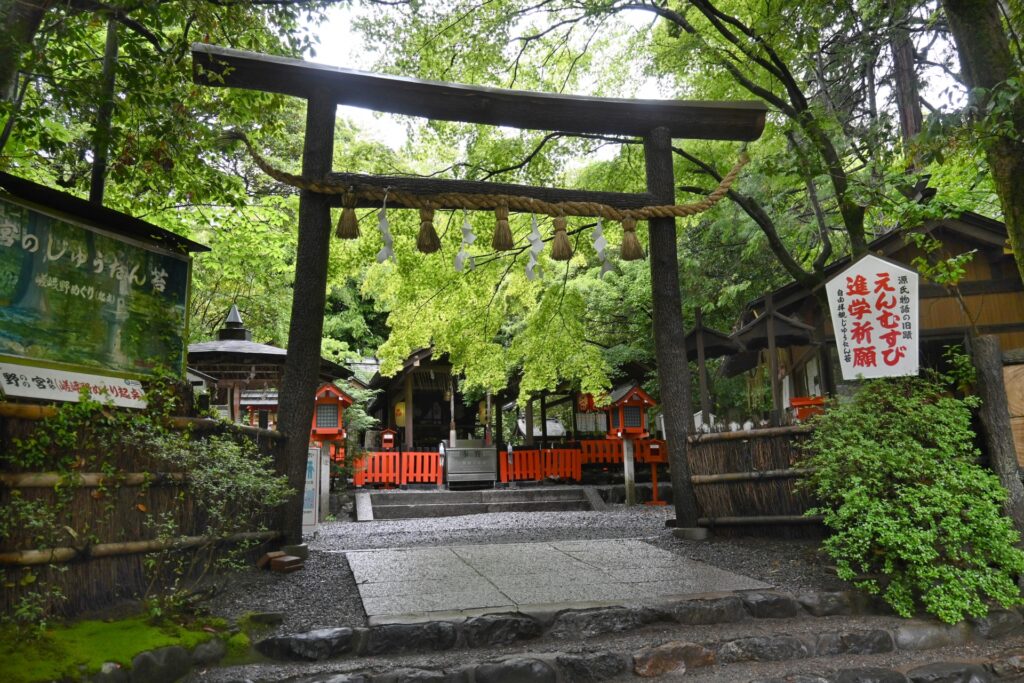
Vermilion, wood, and stone are the most common colors, but you can also find torii gates in unusual colors. These are often chosen based on the specific region, the unique beliefs of the shrine, or the historical background of the shrine.
For example, white torii gates are sometimes used to emphasize purity and holiness, while black torii gates may be associated with a particular god or history, such as at Nonomiya Shrine in Kyoto.
Depending on the region, the colors of the stones found in the area or the colors of local specialties may be used for the torii gates, and each shrine has its own personality and story.
The meaning of torii gate shapes and the main types
There are many different types of torii gates that stand at shrines. They can be broadly divided into two types: the simple, straight-lined "Shinmei torii" type and the elegant, curved "Myojin torii" type, and even more varieties have been created from these.
The secret behind the simplicity of Shinmei Torii gates
As their name suggests, Shinmei-style torii gates are characterized by a simple and austere beauty that is common to the Shinmei-style shrine buildings of Ise Grand Shrine. The kasagi (top beams) and nuki (cross beams) are straight, with almost no curvature or decoration. They are beloved for their powerful yet pure form that conveys the appearance of ancient torii gates to the present day.
Ise Torii
The Ise Torii, represented by Ise Grand Shrine, is a particularly formal form among the Shinmei Torii. The top beam is made of a log, and together with the shimagi (island beam) underneath, it has a pentagonal cross section. The tenon does not penetrate the pillar, and there is no gakuzuka (front beam). The pillars are chamfered, giving it a refined impression.
Yasukuni Torii
The Yasukuni torii gates commonly seen at Yasukuni Shrine are characterized by the use of logs for the top beam and the absence of any lintels. The rafters do not penetrate the pillars, and there are no ridge beams. The overall shape is straight, and has a simple, powerful feel.
Kashima Torii
The Kashima torii gates, as represented by those at Kashima Shrine, have both the kasagi and the nuki (struts) made from logs. The nuki do not penetrate the pillars, and there are no gakuts (front sashes). Like the Ise and Yasukuni torii gates, they have little decoration, and the design emphasizes the simple texture of the wood.
Myojin Torii Gate: Diversity woven with beautiful curves
Myojin-style torii gates are characterized by a gently curved lintel and a crossbeam that penetrates the pillars and protrudes on both ends. They often have a gakutaku, giving the overall impression of being elegant and decorative. They can be seen at many shrines throughout Japan, and their various shapes tell us about the breadth of culture and faith in each region.
Kasuga Torii
The Kasuga torii gates, as typified by Kasuga Taisha Shrine, have pentagonal lintels and rafters, with the rafters passing through the pillars and protruding at both ends. They often have a rafter, and the pillars are painted vermilion, while the lintels and rafters are painted black. This is a torii gate with a beautiful contrast of colors.
Hachiman Torii
The Hachiman torii gates, which are often found at Hachiman Shrines, are similar in basic structure to the Kasuga torii gates. They are characterized by pentagonal lintels and insulators, rafters that run through the pillars, and a gakutaku (front sash). The only differences from the Kasuga torii are slight variations in the shape of the insulators and the thickness of the pillars, and in most cases they are decorated with vermilion-painted pillars and black-painted lintels and insulators.
Inari Torii
The Inari torii gates that are often seen at Inari shrines are based on the Myojin torii gates. Their most distinctive feature is that they are painted a vibrant vermilion color (crimson). This color is said to symbolize fertility and vitality. The nuki runs through the pillars, and they generally have a gakutaku (front sash).
Ryobu Torii
Ryobu torii gates have a unique shape in which the pillars of the Myojin torii gate are supported by smaller pillars called chigobashira, with a base ring placed on top of them. They are characterized by their stability and are often built underwater. The torii gate at Itsukushima Shrine in Hiroshima Prefecture is known as a representative example of this style.
Sanno Torii
Sanno Torii is a rare type of torii gate, represented by Hiyoshi Taisha Shrine. Based on the Myojin Torii, its main feature is the gabled roof with a gabled roof surmounted by a lintel. This gabled roof gives the entire torii gate a unique style.
| Torii lineage | Shape of the cap | Shape of the crosspiece | Presence or absence of a forehead band | Overall impression |
|---|---|---|---|---|
| Shinmei Torii style | Straight, no warping | Does not penetrate pillars | Often not | Simple, simple and powerful |
| Myojin Torii style | Curved, warped | It penetrates the pillar and both ends protrude. | There is often | Graceful, decorative, and gorgeous |
summary
Did you know that the colors and shapes of torii gates each have deep meanings? We've introduced why vermilion torii gates, which are said to ward off evil and bring vitality, adorn many shrines, as well as the natural beauty of wooden and stone torii gates. We've also explained that there are many different types of torii gates, from the simple Shinmei torii gates to the beautifully curved Myojin torii gates. We hope that learning about the wishes and history behind each torii gate will make your future shrine visits even more memorable.