Hello! This is Goencha. Have you ever thought, "There are so many types of green tea, I don't know which one to choose," or "I don't really know the differences between them?" I'll explain the characteristics, flavors, and manufacturing methods of the various types of green tea that are popular in Japan, such as sencha, gyokuro, hojicha, genmaicha, and matcha. You'll learn about the unique personalities and charms of each type of green tea, and be able to find the perfect cup for you. I hope this helps you enjoy the world of green tea even more!
目次
Compare the different types of green tea
In Japan, there are many types of green tea that gently soothe the mind and body. Each has its own unique flavor and aroma, and the way it is brewed can enhance its appeal. Let's compare the most popular types of green tea and see what the differences are. Use this as a hint when choosing your tea!
| kinds | Flavor characteristics | light blue | Main manufacturing method |
|---|---|---|---|
| Sencha | A refreshing aroma and a good balance of bitterness and umami | Clear yellow-green | Steaming, kneading and drying |
| Jade Dew | Rich flavor and sweetness, unique fragrant squid | Vibrant, thick green | During cultivation, the vegetables are shaded from sunlight, steamed, rolled, and dried. |
| Hojicha | Fragrant aroma and clean taste | Reddish brown | Roasting Sencha etc. |
| Brown rice tea | The aroma of roasted brown rice and the refreshing flavor of green tea | Yellow-green | Mix roasted brown rice into sencha or bancha tea |
| Matcha | Rich flavor and moderate astringency | Bright green | The tea leaves are shaded from sunlight during cultivation and then steamed and ground in a stone mill. |
Each type of green tea has its own unique character, and each one has a completely different look. Let's take a closer look at each type of green tea!
What is green tea? Basic knowledge about Japanese tea
There are many types of tea in Japan, but green tea is the most familiar to us and is an integral part of our daily lives.
We will explain the basics of what green tea is and where it fits in the Japanese tea world.
The definition of green tea and its position in Japanese tea
Green tea is classified as an "unfermented tea" in which freshly picked tea leaves are immediately heated to stop fermentation. By stopping the action of the oxidizing enzymes contained in the tea leaves with steam, green tea retains the original bright green color and refreshing aroma of the tea leaves.
Many of the teas enjoyed in Japan are green teas. For example, sencha, gyokuro, hojicha, genmaicha, and matcha are all green teas. They are at the heart of the diverse world of Japanese tea.
Basic manufacturing methods and classification points of green tea
The basic process for making green tea begins with plucking the tea leaves. After that, the freshly picked tea leaves are steamed to stop fermentation, then rolled to even out the moisture content while shaping the leaves, and finally dried to remove the moisture and improve shelf life, before being turned into a state known as rough tea.
Further processing of this crude tea produces a wide variety of green tea. The reason there are so many different types of green tea is because of the various ingenious cultivation and processing methods. Here are some of the main classification points.
| Classification points | explanation |
|---|---|
| Cultivation methods | There are differences between "covered cultivation," where the plants are grown in shade, and "open-field cultivation," where the plants are grown in plenty of sunlight. |
| Processing methods | The length of time the tea leaves are steamed, how they are rolled, and whether or not they are roasted (and how strongly), all have a major impact on the flavor. |
| Use area | The characteristics of tea can change dramatically depending on which part of the tea plant is used - the buds, leaves, stems, or powder. |
There are many different kinds of tea! The tea novelty is “Kyoto Gyokuro’s Goen Tea”

What is Kyoto Gyokuro’s Goen Tea?
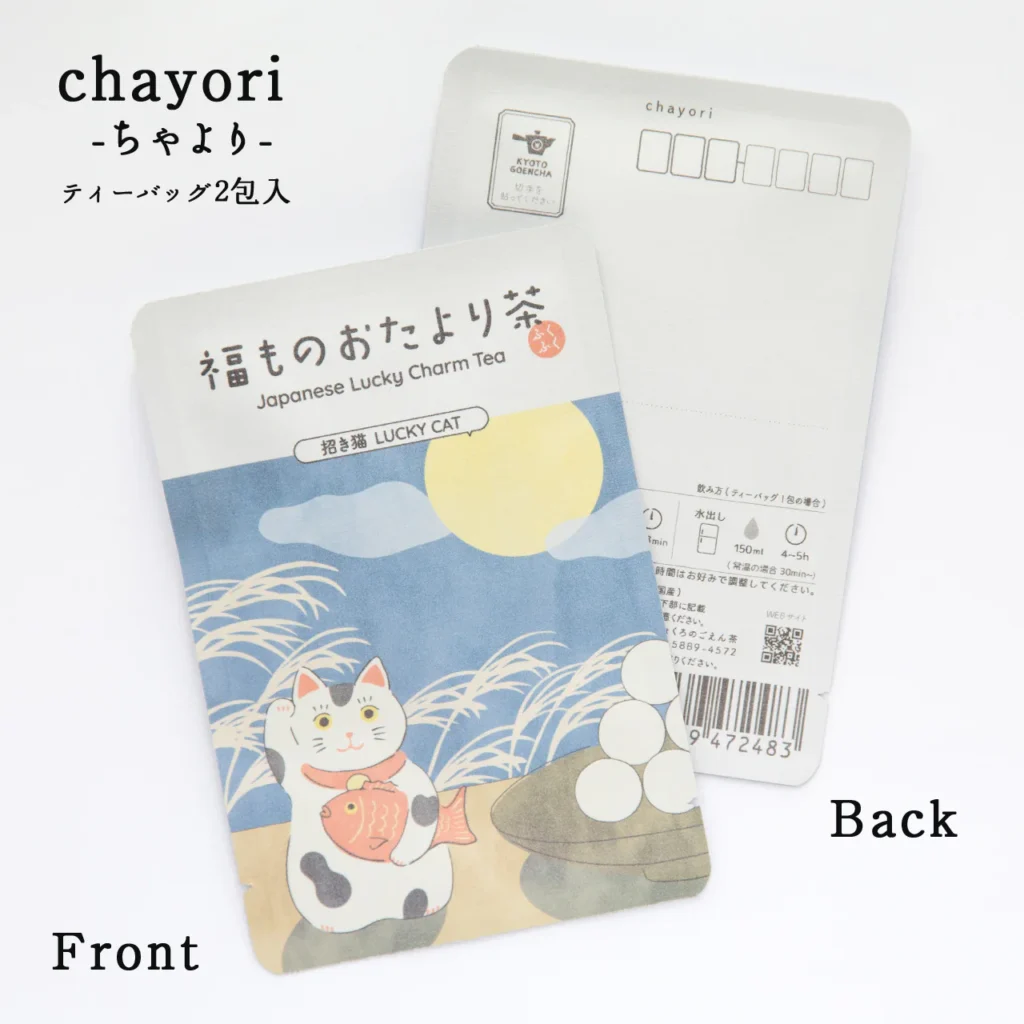
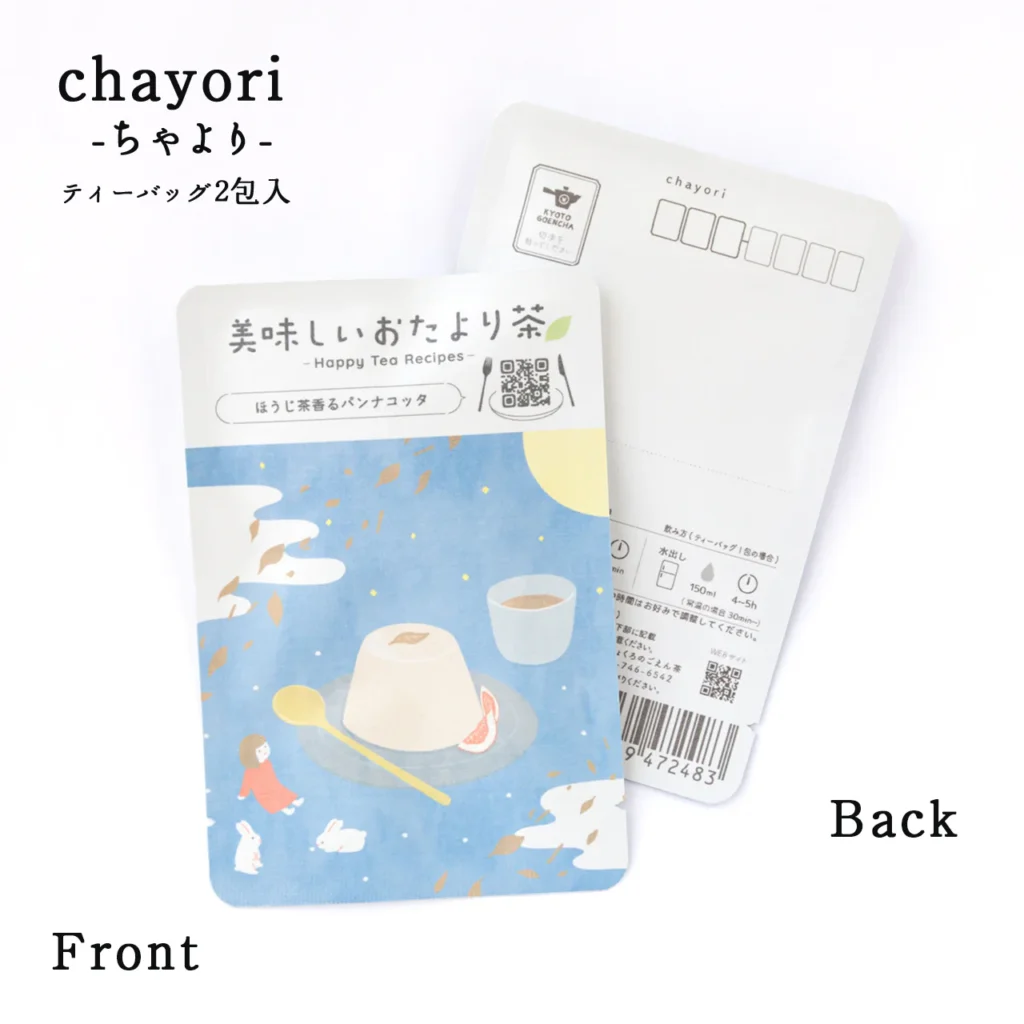
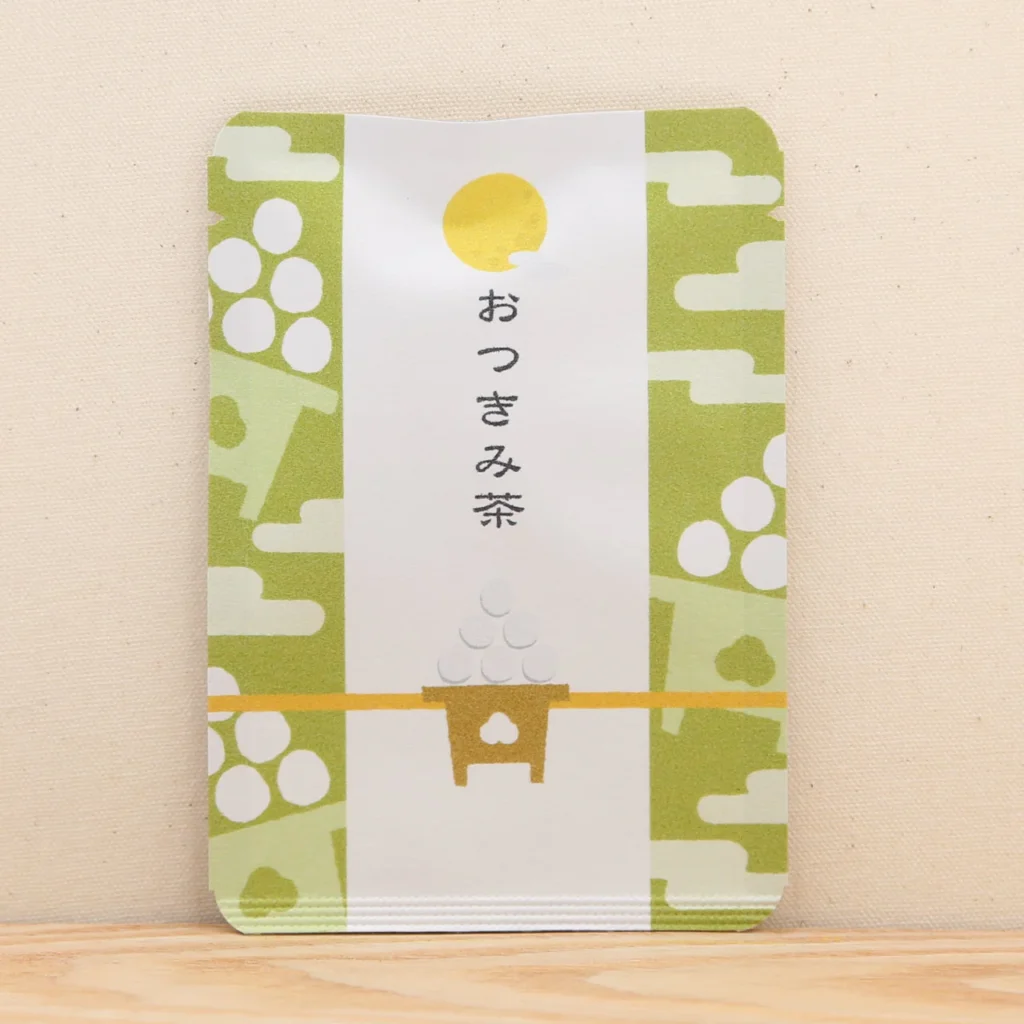
" Kyoto Gyokuro's Goen Tea " is a tea shop that delivers fun tea from Kyoto with the concept of "making tea more fun"! We create plans tailored to your needs, making high-quality tea more accessible and exciting to enjoy.
We value the idea that "tea connects people," and we have a wide selection of products that are perfect for everyday tea time, as well as gifts for special people and corporate novelties. Particularly popular as corporate novelties are products that can be personalized with original designs or names !
"Thank you," "Congratulations," "I look forward to working with you in the future!"
Why not convey these feelings through tea?
Here are some recommended novelties that can convey a message!
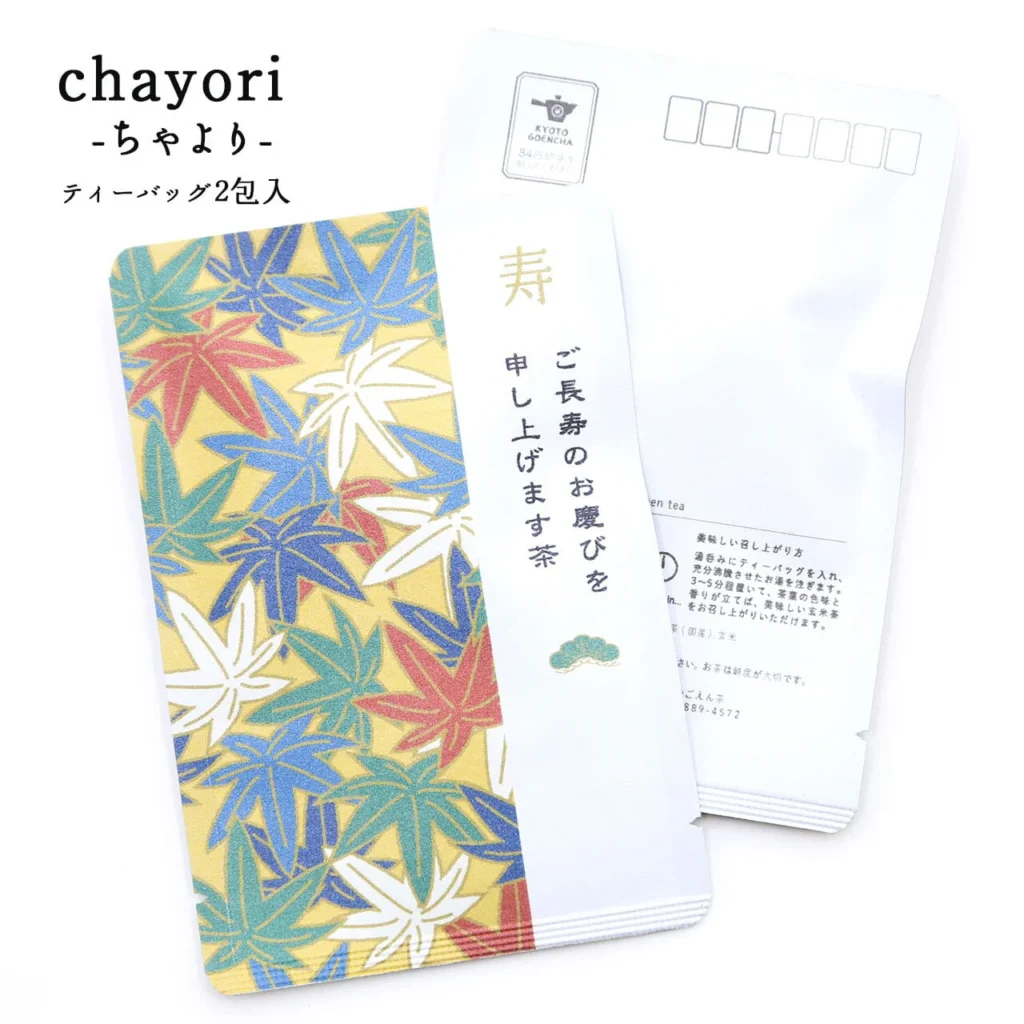
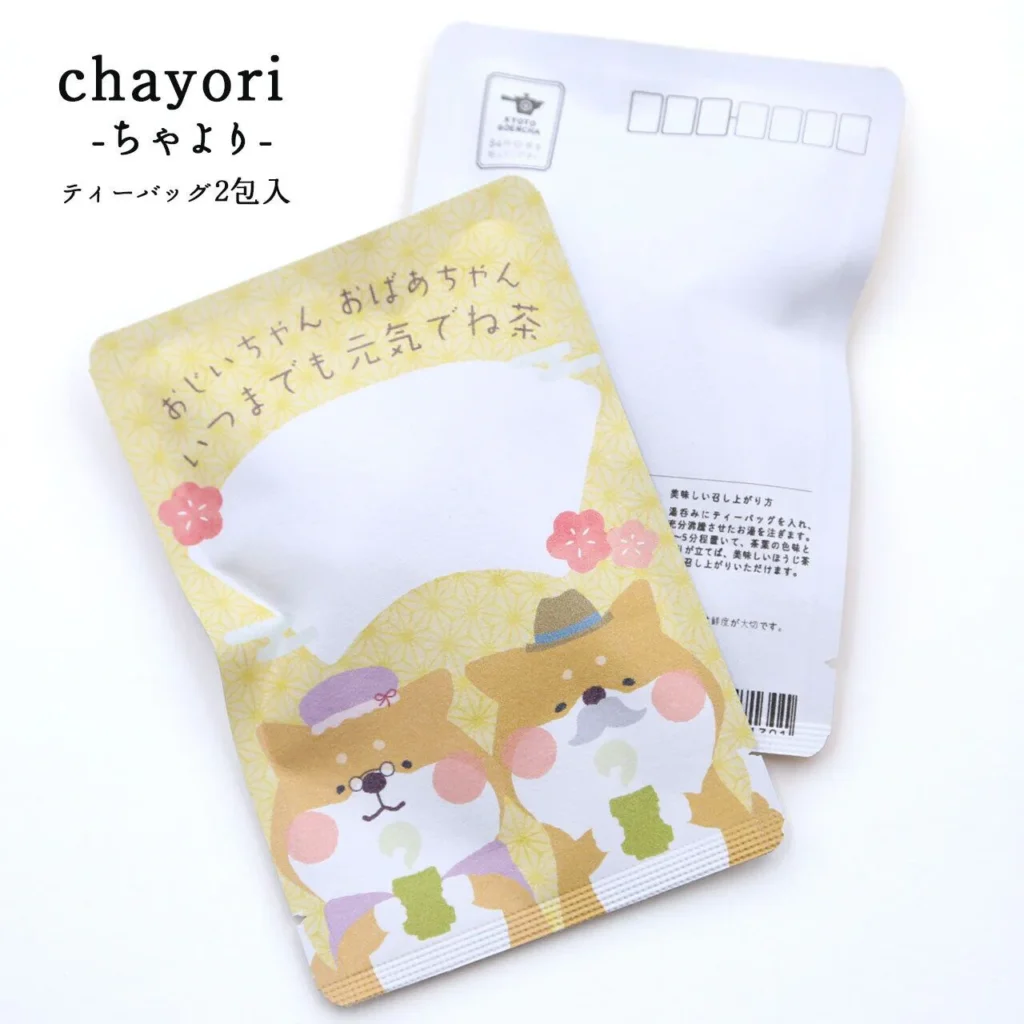
A special tea packed with feelings. Create a one-of-a-kind tea with an original greeting tea design. Custom order
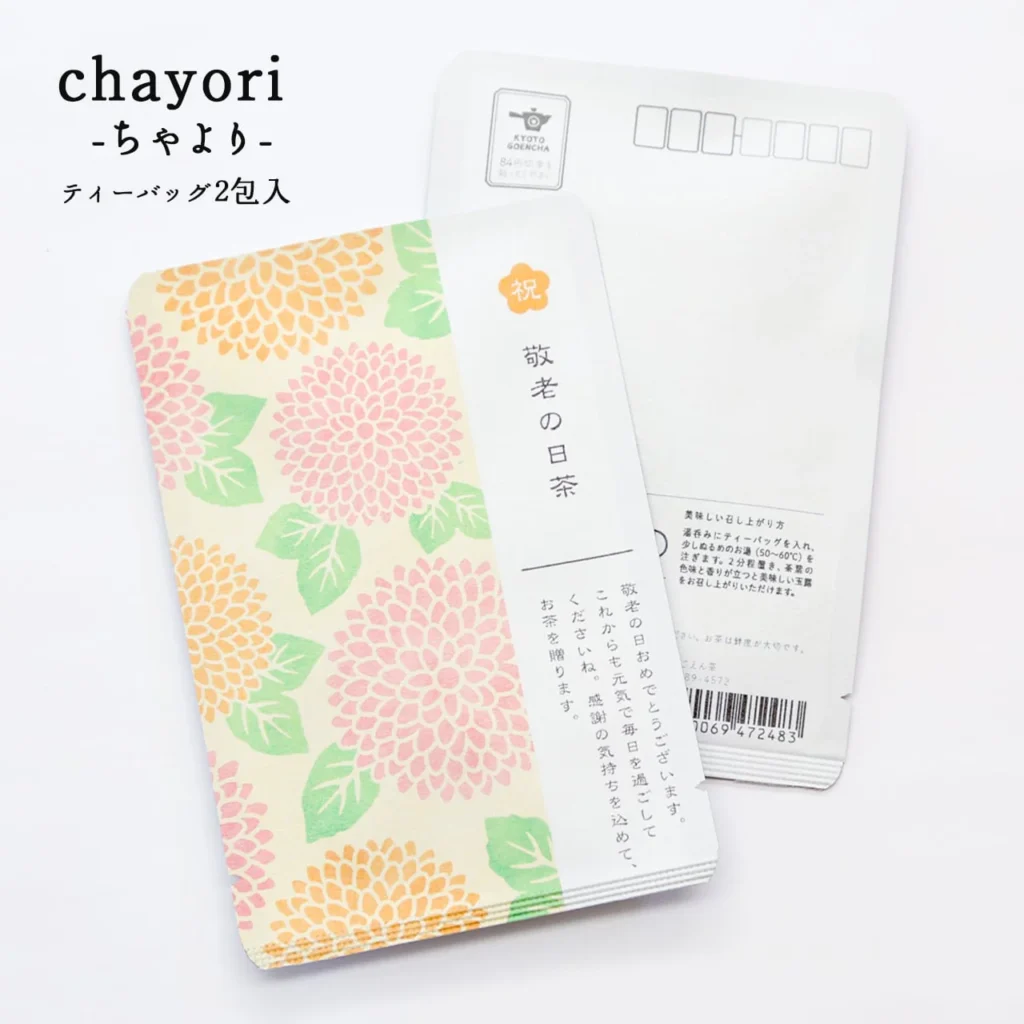
Also recommended as a gift or novelty for Respect for the Aged Day!
Explaining the main types of green tea and their differences!
There are many different types of green tea in Japan. Learning about the unique characteristics and flavors of each type of green tea will surely make your tea time even more enjoyable. Here we will introduce the main types of green tea and their differences.
Sencha: The representative of green tea, its characteristics and flavor
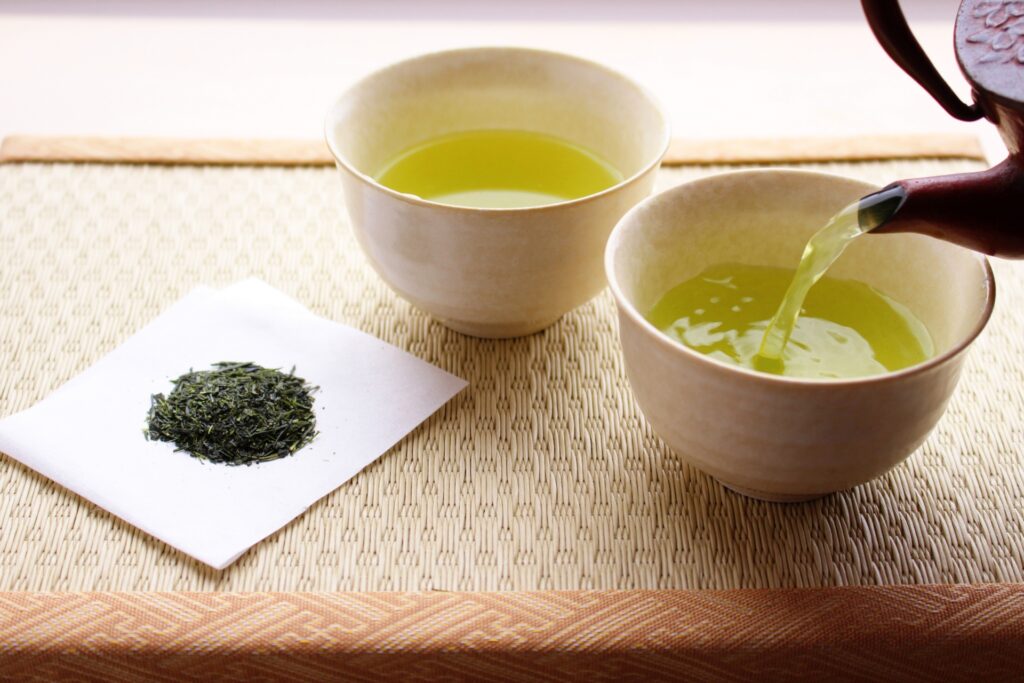
Sencha is the most popular green tea in Japan, and is enjoyed by many people as a tea for everyday use.
Sencha production method and flavor balance
Sencha is made by steaming the tea leaves immediately after picking to stop fermentation, then rolling and drying them. This careful process gives sencha its characteristic refreshing aroma and a taste that is a good balance of sweetness, astringency, and umami. Brewing with hot water brings out the sharp astringency, while brewing with slightly cooled water brings out the mellow umami.
Gyokuro: The finest green tea with concentrated flavor and sweetness
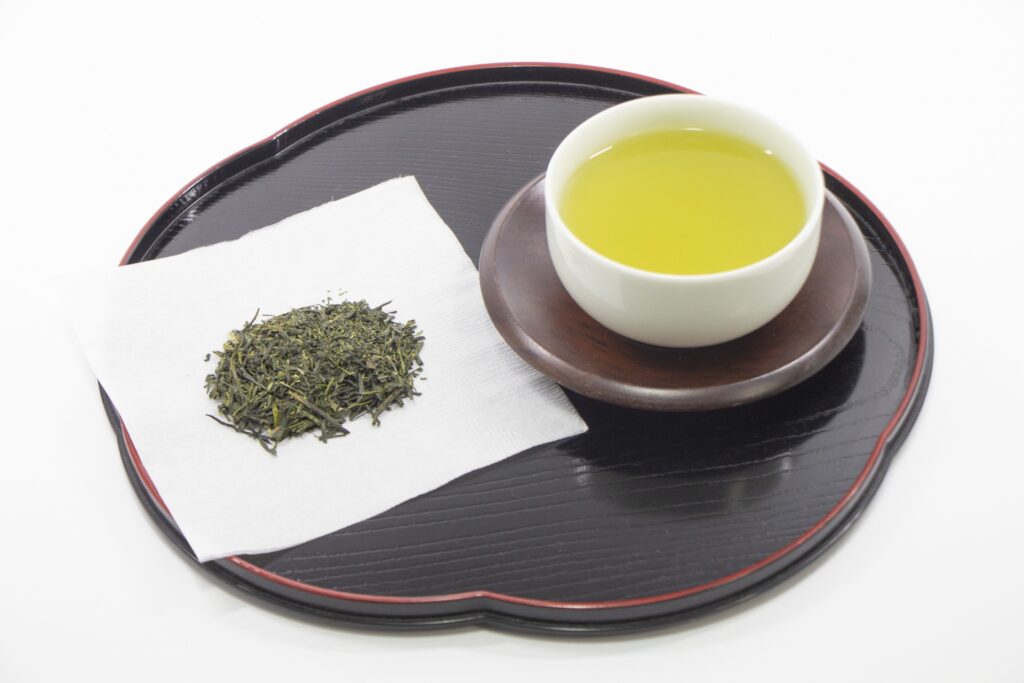
Gyokuro is considered to be one of the most luxurious types of Japanese tea. Its rich flavor and sweetness will add color to any special moment.
Gyokuro cultivation methods and its unique umami components
Gyokuro is grown using a special method called "cover cultivation," in which the tea fields are covered with shade to block out sunlight for about 20 days from the time the new buds begin to grow. By blocking sunlight, the amount of theanine, the umami component of the tea leaves, increases, while the production of catechin, the astringent component, is suppressed. This cultivation method produces the rich aroma unique to Gyokuro, known as "covered aroma," as well as a rich sweetness and deep umami flavor. The tea is also beautiful to look at, with a vibrant green color.
Hojicha: Roasted green tea with a fragrant aroma
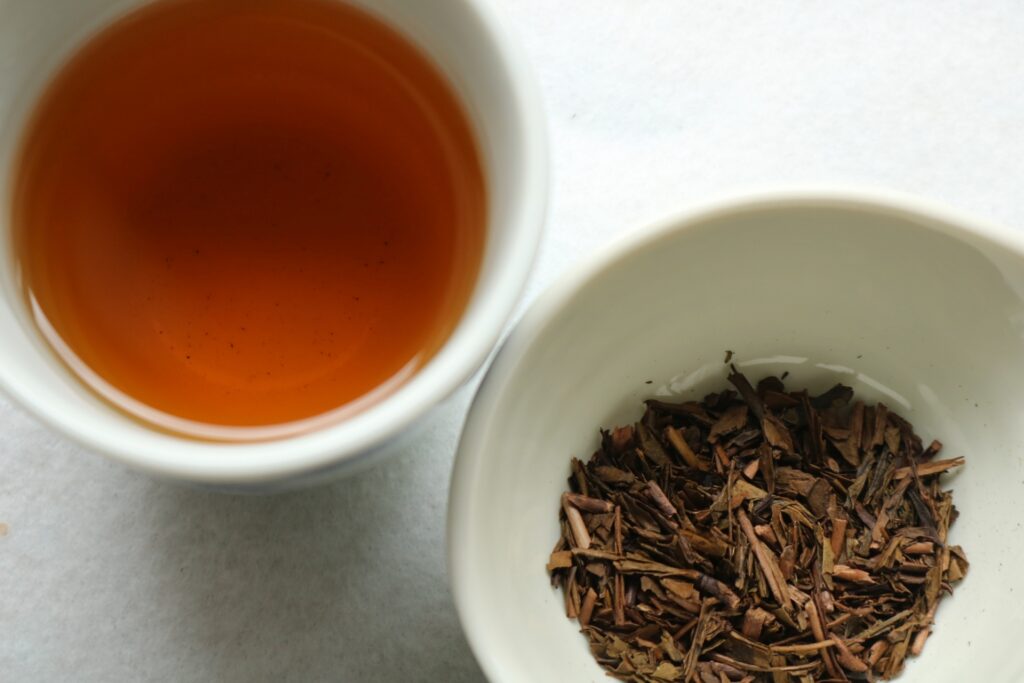
Hojicha is a type of green tea characterized by its fragrant aroma. Its gentle flavor makes it the perfect accompaniment to meals or when you want to relax.
The secret of roasted green tea's production method and aroma
Hojicha is made by roasting Sencha or Bancha over high heat. This roasting process reduces the caffeine in the tea leaves, creating a unique fragrant aroma. With little bitterness or astringency, it has a clean taste and is popular as an easy-to-drink tea for everyone, from children to the elderly.
Genmaicha: A harmony of fragrant brown rice and green tea
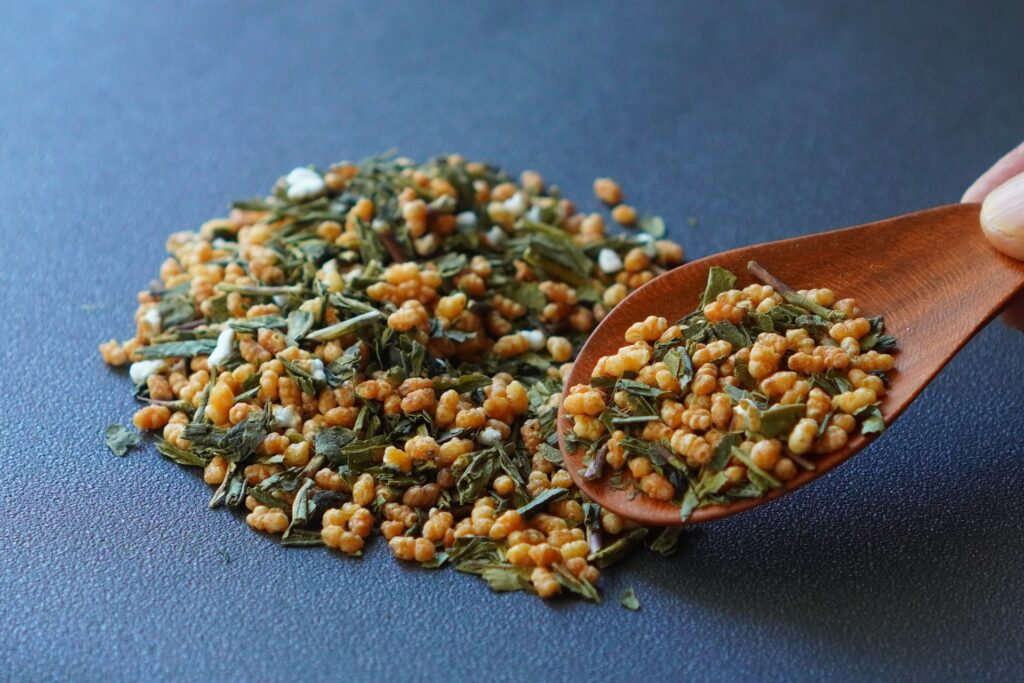
Genmaicha is a delightful tea made with the combination of fragrant brown rice and green tea. Its unique flavor is loved by many people.
The manufacturing method and unique flavor of Genmaicha
Genmaicha is a tea made by mixing steamed and roasted brown rice with sencha or bancha. The fragrant aroma of brown rice and the refreshing taste of green tea create an exquisite harmony. Because it contains brown rice, it tends to have less caffeine than green tea alone, making it easy to enjoy on a daily basis.
Matcha: brewed green tea, a symbol of Japanese culture
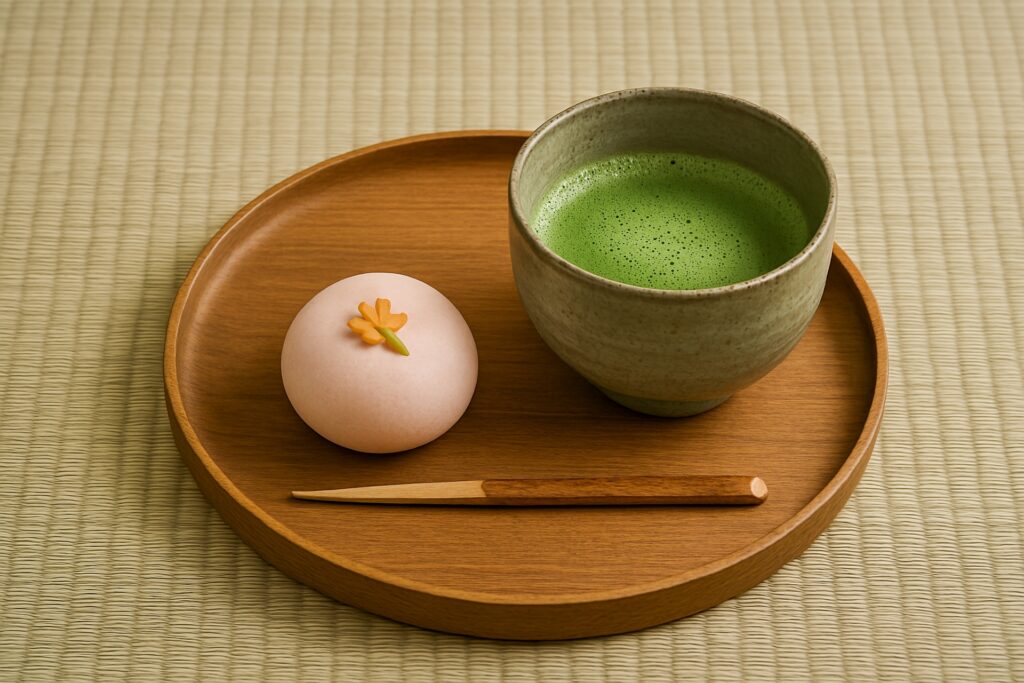
Matcha is an iconic green tea in Japanese culture, known for its use in the tea ceremony. Its vibrant color and rich flavor bring a sense of calm to your senses.
Matcha cultivation, milling methods, and health benefits
Matcha is made from tea leaves grown under cover cultivation, just like gyokuro. These tea leaves are called "tencha" and are steamed and dried, after which the stems and veins are removed and the leaves are carefully ground in a stone mill to make matcha powder. Because the tea leaves are brewed whole, matcha is characterized by the ability to absorb all of the nutrients contained in the tea leaves. The appeal of matcha is its rich umami flavor, slightly bitter taste, and vibrant green color.
Tips for finding the right type of green tea for you
How to choose green tea according to your taste and purpose
Finding the perfect cup of green tea for you can be a fun experience. Here are some tips to help you choose the right green tea based on your preferences and the occasion you want to drink it.
Knowing the unique characteristics of each green tea will make your tea time even more enjoyable!
Choose by taste and aroma
The taste and aroma of green tea vary greatly depending on the type, so the tea you choose will depend on your preferred flavor.
- If you like rich umami and sweetness: Gyokuro.
Perfect for when you want to savor a luxurious cup of tea slowly and over time. - If you like refreshing astringency and a balanced umami flavor: Sencha.
A truly representative green tea that can be enjoyed in a wide range of ways on a daily basis. - If you want to calm your mind with a fragrant aroma: Hojicha and Genmaicha.
They have low caffeine content, so they are recommended for relaxing in the evenings or to enjoy with a meal. - For those who want to experience the powerful umami and unique flavor of matcha,
including the experience of making it.
Choose the drinking occasion and purpose
The way you choose green tea will depend on when you want to drink it and your purpose.
Please refer to the following table to see what kind of occasion each type of green tea is suitable for.
| project | Sencha | Jade Dew | Hojicha | Brown rice tea | Matcha |
|---|---|---|---|---|---|
| Taste characteristics | A refreshing balance of astringency and umami | Rich flavor and sweetness | Fragrant and refreshing | Fragrant brown rice and green tea flavor | Rich umami and unique bitterness |
| Recommended Scenes | For everyday use, after meals, or to refresh your mind | Special hospitality and luxurious time | Relaxation time, during and after meals | With meals, for a change of mood, with limited caffeine | Tea ceremony, when you want to concentrate, with Japanese sweets |
| Caffeine amount (approximate) | Moderate | A lot | Less | Less | A lot |
| Ease of brewing | Relatively easy | It takes some effort | easy | easy | Special tools required |
Tips for choosing tea
When choosing tea at a store, if the place offers tastings, we recommend giving them a try! By actually tasting the different varieties, you might find a tea that suits your taste.
Also, when choosing a gift, it can be fun to imagine the recipient's preferences and lifestyle while making your selection.
summary
We've introduced the various types of green tea, including sencha, gyokuro, hojicha, genmaicha, and matcha, as well as the differences in their production methods and flavors. Even within the same type of green tea, the aroma, umami, astringency, and sweetness can vary greatly depending on the cultivation method and processing. Choose the perfect cup to match your mood that day, the people you'll be with, and the food you'll be drinking. We're sure your tea-drinking time will be more enjoyable and enriching.